















loader image

ESPE

Menu

DEGREE

Marketing

Select a campus

DEGREE

Bachelor’s Degree in Marketing

CES Resolution

RPC-SO-24-No.476-2017

DURATION

4 Years

MODALITY

On-campus

Academic Identity

Learn about the foundations of the program

“To train professionals in marketing, ethics, entrepreneurs, analytical, critical and humanistic, with the ability to create, design and manage strategies and also promote their personal development through instilling values that lead to the construction of solutions to the needs and desires of consumers and organizations in the country so that they constitute social transformation in a sustainable and sustainable way.”

By 2030 to be an accredited career recognized nationally for excellence in the development of academic processes, whose management helps the University to be among the 1000 best in the world, with social responsibility, committed to institutional principles and values and that the trainers occupy a management position at the national and international level

Manage and apply theoretical, scientific and technical knowledge of marketing to analyse markets, understand consumer behaviour and design innovative commercial strategies that contribute to business competitiveness, through the use of market research, data analytics, digital tools and innovation processes aimed at generating value.

Articulate the disciplinary and technological knowledge of marketing with the socioeconomic reality of the country, through research, linkage and business development projects that strengthen territorial competitiveness, promote sustainable enterprises and contribute to productive growth with an ethical and socially responsible approach.

Program video

Live the experience of studying Marketing

Discover daily life in our classrooms, laboratories, and academic spaces. Students, faculty, and researchers share their stories.

Learn about the foundations of the program

Profiles and outcomes

The professional we train and the competencies you will develop

The Bachelor of Marketing is a professional whose training with solid theoretical-practical knowledge empowers him to plan, research, analyze, design and act in the different sectors of the market of the public and private sector; therefore, they are roles and functions that the future professional will be able to assume.

Solve problems and make decisions

Plan and analyze financial issues.

Evaluate the industry and competitors.

Segment markets.

Make predictions.

Formulate product and market strategies.

Leverage the product lifecycle model for product management

PRODUCT MANAGER:

Develop a long-term competitive strategy for the product.

Prepare a marketing plan and annual sales forecast.

Work with advertising agencies to create campaigns.

Stimulate product support among the sales force and distributors.

Gather strategic information about product performance, customer and distributor attitudes, their problems and opportunities.

Initiate product improvements to meet changing market needs.

DIRECTOR OF COMMUNICATION:

Define communication strategies between the service and the company’s main managers, actions and responsibilities.

To streamline the operational and executive procedures coordinated at global and partial level, internal and external management.

Make decisions about annual priorities in communication.

Monitor and optimize the general communication budget.

Manage the institutional and communication function.

SALES MANAGER:

Prepare sales plans and budget.

Establish goals and objectives.

Calculate demand and forecast sales.

Recruitment, selection and training of salespeople.

Compensation and motivation.

DIRECTOR OF ADVERTISING AND MARKETING:

Design, plan, coordinate the media plan and marketing plan to increase the value of the brand through a solid positioning in the market.

Innovative activities for Branding.

Management of relations with advertising and media companies.

Development and management of management indicators.

Management of the company’s social networks.

MARKET RESEARCHER:

They collect data on consumer demographics, preferences, needs, and buying habits.

They obtain information using various methods, such as interviews, questionnaires, focus groups, market analysis surveys, public opinion surveys, and literature reviews.

They help determine a company’s position in the market by researching its competitors and analyzing their pricing, sales, and marketing methods. Using this information, they can determine potential markets, product demand, and prices.

Their knowledge of the target consumer allows them to develop advertising and commercial brochures, sales plans, and product promotions.

They evaluate data using statistical techniques and software. The market researcher must know how to explain to his client the meaning of the data collected and be able to forecast future market trends. They often make tables, graphs, infographics, and other visual aids when presenting the results of their research.

MERCHANDISING DIRECTOR AND COORDINATOR:

Conduct studies to analyze customer behavior (e.g., shopping habits, trends, and preferences)

Design and implement effective marketing campaigns

Set up systems to track internet marketing activities

Track progress with marketing managers and marketers

Identify and analyze competitors

Prepare reports by collecting and analyzing sales data

Collaborate with the design department to produce promotional material

Develop clear and creative marketing text for our products

Organize promotional activities for new products/services

Prepare forecasts (monthly, quarterly, and annually)

In Marketing he is a professional with solid theoretical and practical knowledge in the disciplines associated with marketing and business management; that develops and adapts strategies to competitive markets based on the needs of customers and the different purchasing modalities that they adopt, applies new communications technologies, tools to evaluate market potential from the perspective of the company’s capabilities, achieving products and services with high value for its customers, demonstrating creativity, leadership, critical thinking and high citizen awareness in each activity.

At the end of the degree, the graduate:

Understand the forces of the micro and macro environment that affect companies.

Understand the internal dynamics of organizations and especially the interaction of the marketing area with the other areas.

Develop market research with advanced techniques that allow you to understand the needs and desires of consumers.

Segment industrial and consumer markets.

Manage and propose new products and/or services.

Correctly position and differentiate products and services.

Develop and exploit the value of brands.

Manage marketing variables.

Determine the financial impact of marketing variables.

It sustains a long-term relationship with customers and takes advantage of it to increase the profitability of the company.

Develop and implement e-marketing solutions.

Understand the interrelationship of media and public relations with marketing strategies.

Develop marketing plans and programs by establishing a detailed planning of each of the variables (product, price, communication and distribution), as well as the measurement of the results and their subsequent control.

Transform marketing strategies into effective business tactics.

1. Strategic Management: Critical analysis of the environment and ethical and innovative marketing decisions.

2. Financial Management: Evaluation of sustainable management and decision-making models.

3. Market Analytics: Application of qualitative and quantitative methods for market research.

4. Commercial Management: Design of comprehensive strategies of the marketing mix.

5. Comprehensive Marketing Communication: Creation of multichannel campaigns with digital tools and CRM.

Curriculum Structure

Academic structure of the program

Current Curriculum

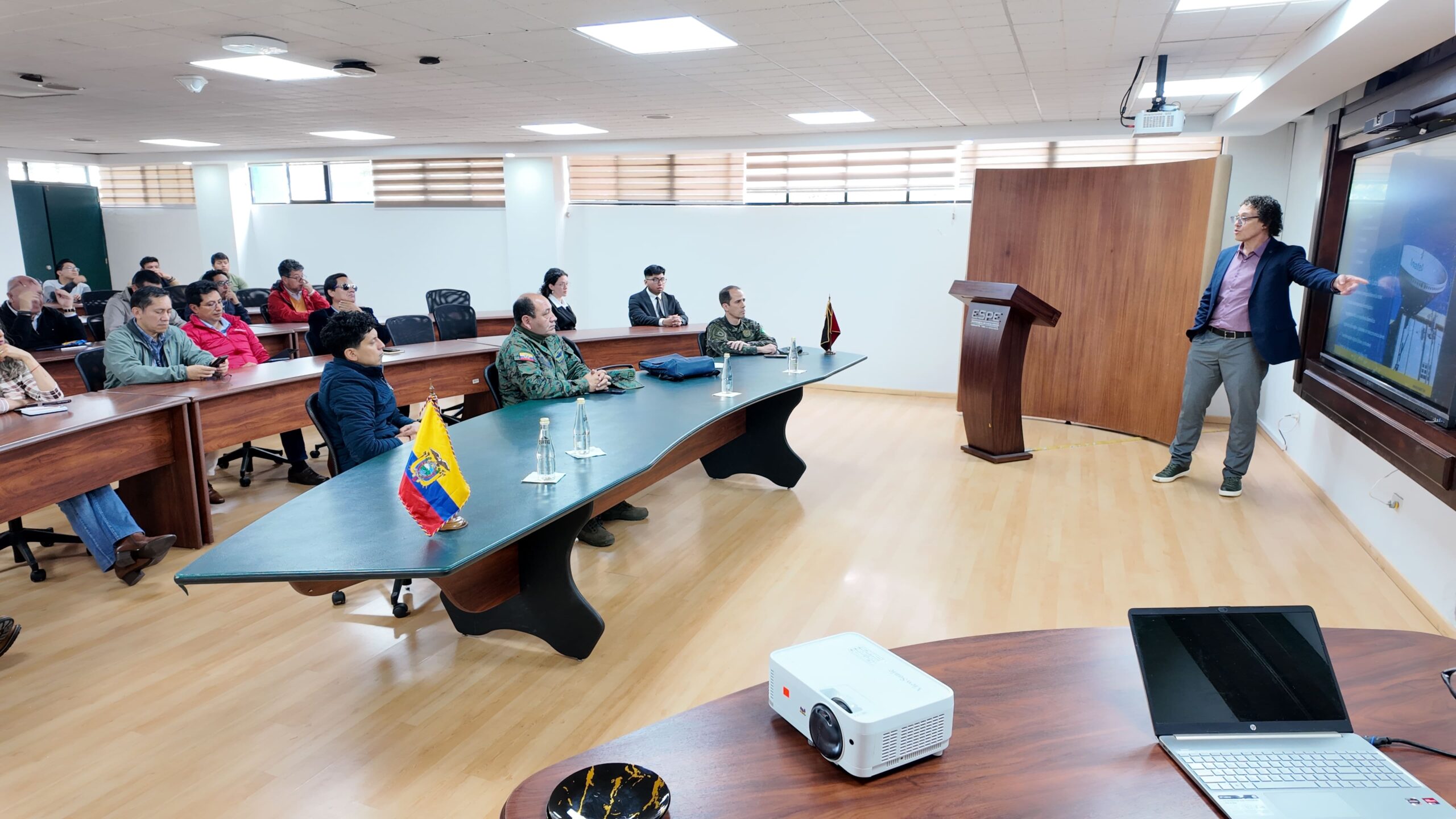
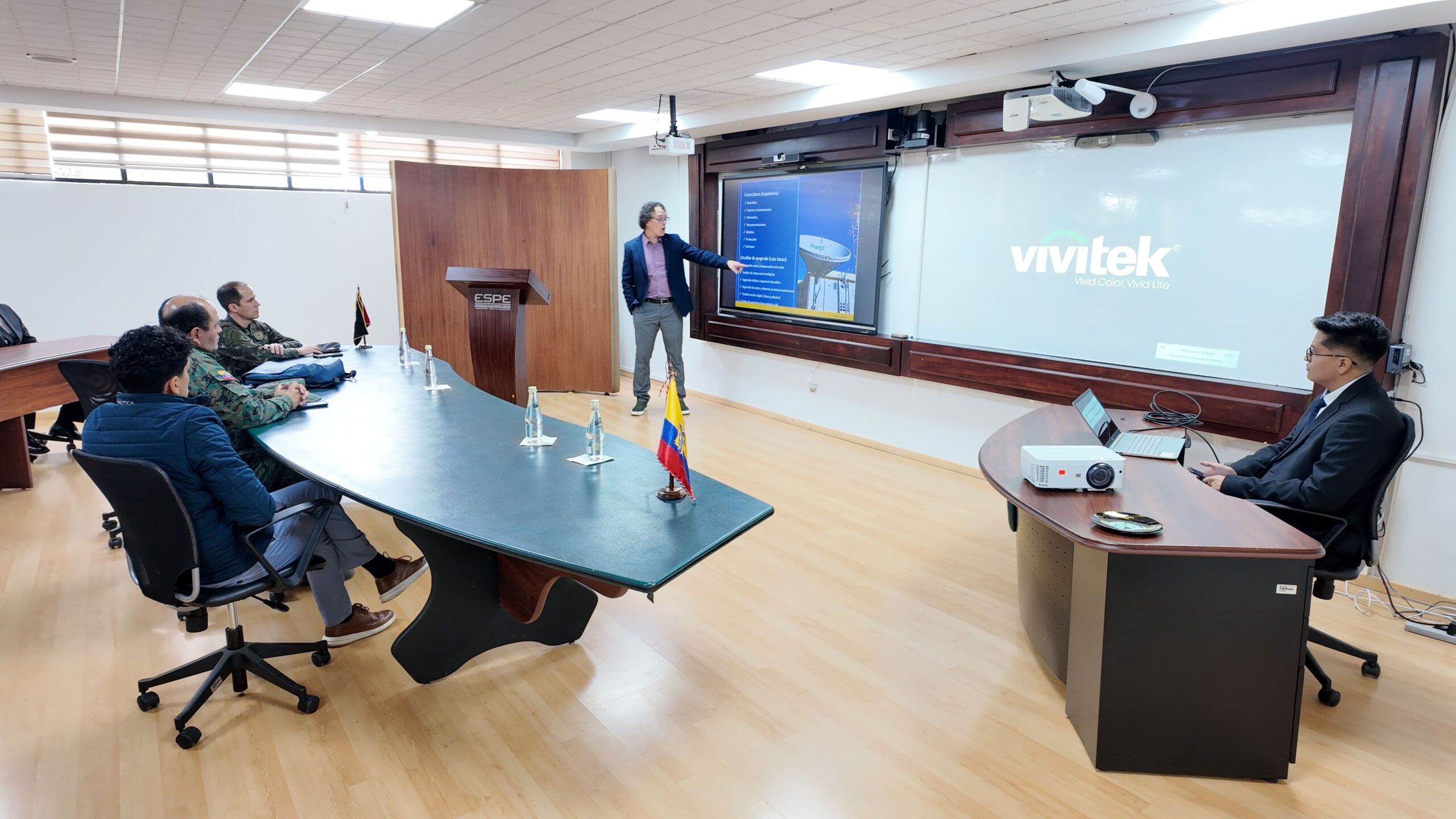
Gallery Gallery

Spaces, moments, and experiences that bring the program to life
Admissions and costs

Spaces, moments, and experiences that bring the program to life
CES Resolution

RPC-SO-15-No 309-2020

Program Code

ISOF-SQ-2023

Accreditation

In process

Application Dates

March – April 2025 / August – September 2025

Program cost:

Article 356 of the Constitution of the Republic establishes, among other principles, that third-level public higher education shall be tuition-free, and that this gratuity is linked to the academic responsibility of students.

Begin your path in

Marketing

Join Universidad de las Fuerzas Armadas ESPE and become part of an

academic community of excellence with international reach.

DEGREE

Accounting and Auditing

Select a campus

DEGREE

Bachelor’s Degree in Accounting and Auditing

CES Resolution

RPC-SO-28-No.549-217

DURATION

4 Years

MODALITY

On-campus

Academic Identity

Learn about the foundations of the program

To train professionals and researchers of excellence, creative, humanistic with leadership capacity to solve economic, financial, accounting, administrative and control problems of public and private institutions with professional, ethical, technical criteria and high citizen awareness, who contribute to the regional and national development of the country, in accordance with the national development plan.

Leader in knowledge management in the administrative area of Accounting and Auditing in the National System, with academic recognition at the regional and international level and comprehensive training that contribute to the self-sustainable development of the individual in society, through the preparation of qualified human resources.

To train competent professionals and researchers with knowledge and skills in the Areas of Accounting and Auditing, with critical analysis of accounting phenomena, investigative and innovation skills, using information technologies that allow them to identify and solve problems related to the profession and facilitate the functions of control bodies.

Program video

Live the experience of studying Accounting and Auditing

Discover daily life in our classrooms, laboratories, and academic spaces. Students, faculty, and researchers share their stories.

Learn about the foundations of the program

Profiles and outcomes

The professional we train and the competencies you will develop

Regulated functions: Accountants, internal and external auditors, as established by the control bodies.

Strategic roles: Financial analysts, executives, managers and consultants in financial areas.

UNESCO Classification: The competencies developed are aligned with the related fields established by this organization.

Preparation of financial statements based on international standards (IFRS), using advanced information technologies.

Knows, understands and handles the research, administrative and accounting fundamentals, under logical thinking and expresses their ideas orally and in writing appropriately using the language of the profession.

Analyze and understand that the areas of accounting management, internal control, risk and auditing function as interactive and iterative processes, directly related to financial processes, observing current laws.

Knows and applies current tax regulations, considering the legal, labor and corporate aspects that affect organizations.

Design and apply specialized cost systems, according to the particular needs of companies, and analyze their results with a financial perspective, contributing to decision-making.

Plans, organizes and manages aspects related to accounting and tax management in order to raise the quality of financial management in companies, focusing on financial, EPS and insurance institutions.

Analyzes and evaluates the reasonableness of accounting, financial and tax information through audit examinations, in different organizations, including those that participate in the stock market.

Analyzes and evaluates the results of ICT management, as well as possible fraud problems that arise in different organizations with a complex context, determines shortcomings caused by financial risks.

Understands and applies the professional principles, codes of ethics, and methodology proposed by the Institute of Internal Auditors so that an auditor can fulfill his or her function.

1. They know, understand and handle the fundamentals and research, administrative and accounting, under logical thinking and express their ideas orally and in writing appropriately using the language of the profession. In such a way that they are able to prepare basic financial statements, applying the inherent regulations.

2. Analyze and understand that the areas of accounting management, internal control, risk and auditing function as interactive and iterative processes, directly related to financial processes, observing current laws. They understand, visualize, and apply the different stages of management as a process. They use accounting as a tool for decision-making in service companies.

3. Understand the intrinsic relationship between microeconomic and accounting processes in commercial enterprises. They know and apply current tax regulations, considering the legal, labor and corporate aspects that affect organizations. They know and apply marketing tools, using statistical techniques

4. Apply the existing relationships between macroeconomic and accounting processes considering complex companies; understand and analyze basic aspects of financial management; know and apply basic inventory valuation systems; and they understand the need to orient their profession towards the provision of professional services as a personal enterprise. They use statistical techniques for quality management and control in industrial and manufacturing processes.

5. Design and apply specialized cost systems, according to the particular needs of companies, and analyze their results with a financial perspective, contributing to decision-making. Evaluates internal control and quality management systems; Understand and apply the methodology with which risks are detected and mitigated in organizations. They understand and apply ICTs as a support for their profession.

6. Plans, organizes and manages aspects related to accounting and tax management in order to raise the quality of financial management in companies, focusing on financial institutions, EPS and insurance. Understand and apply basic audit techniques, using basic programming tools.

7. Analyzes and evaluates the reasonableness of accounting, financial and tax information through audit examinations, in different organizations, including those that participate in the stock market; prepares and issues audit reports with the respective conclusions and recommendations, observing high standards of quality and productivity; It manages databases as tools to help in its analyses. Ethically leads audit working groups.

8. Analyzes and evaluates the results of ICT management, as well as possible fraud problems that arise in different organizations with a complex context, determines shortcomings caused by financial risks, for which it understands and applies financial simulation models; and, detects opportunities for improvement; makes recommendations in this regard. Understands and applies up-to-date tax rules. Its academic actions are based on applied scientific research. Understands and applies the professional principles, codes of ethics and methodology proposed by the Institute of Internal Auditors so that an auditor can fulfill his or her function, from an internal approach of the different areas of the organization; Understands and evaluates corporate governance, for which it uses a systems management vision. It generates accounting and auditing research projects in the different sectors of the economy

Curriculum Structure

Academic structure of the program

Current Curriculum

Curriculum (not in force)

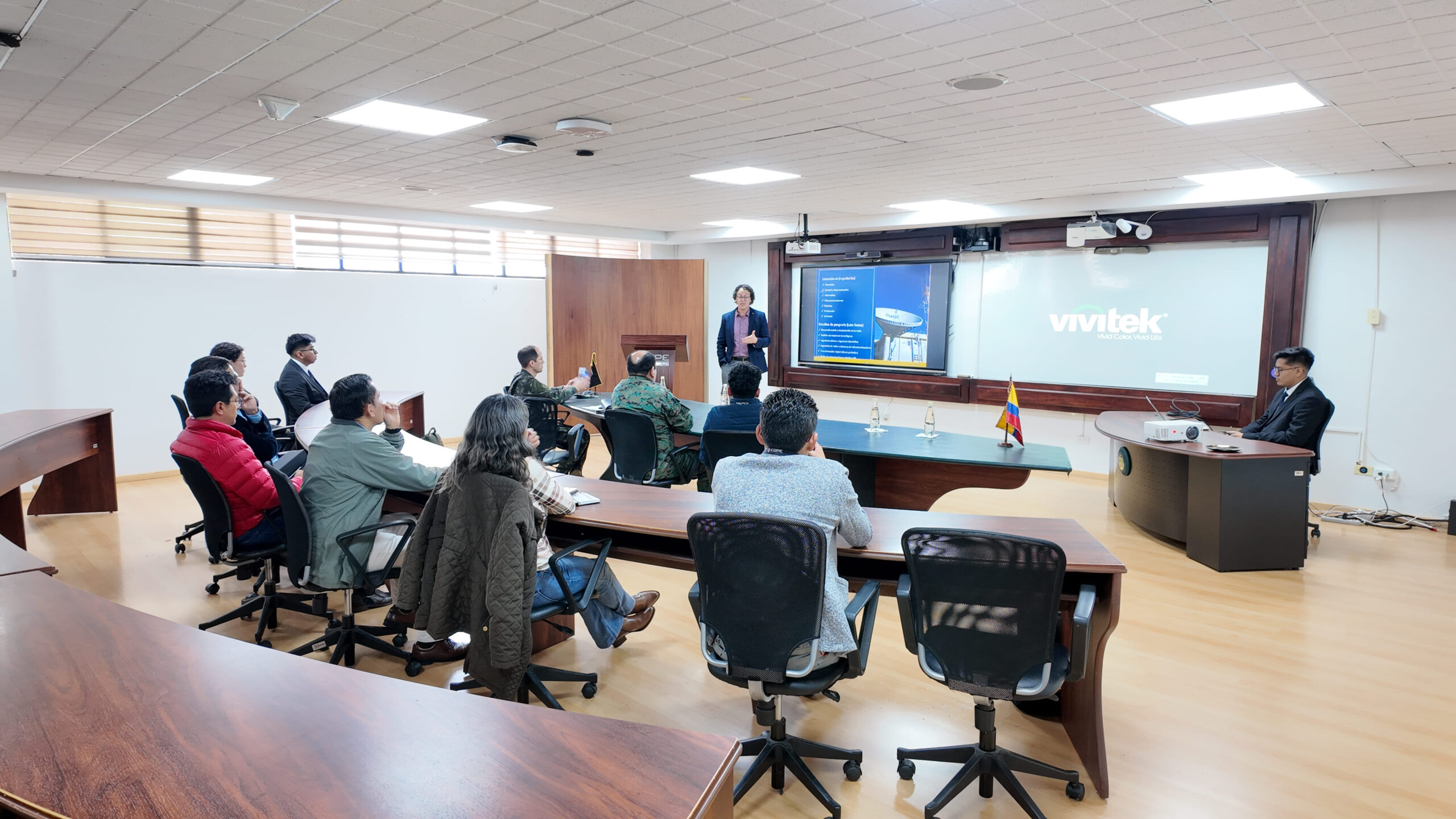
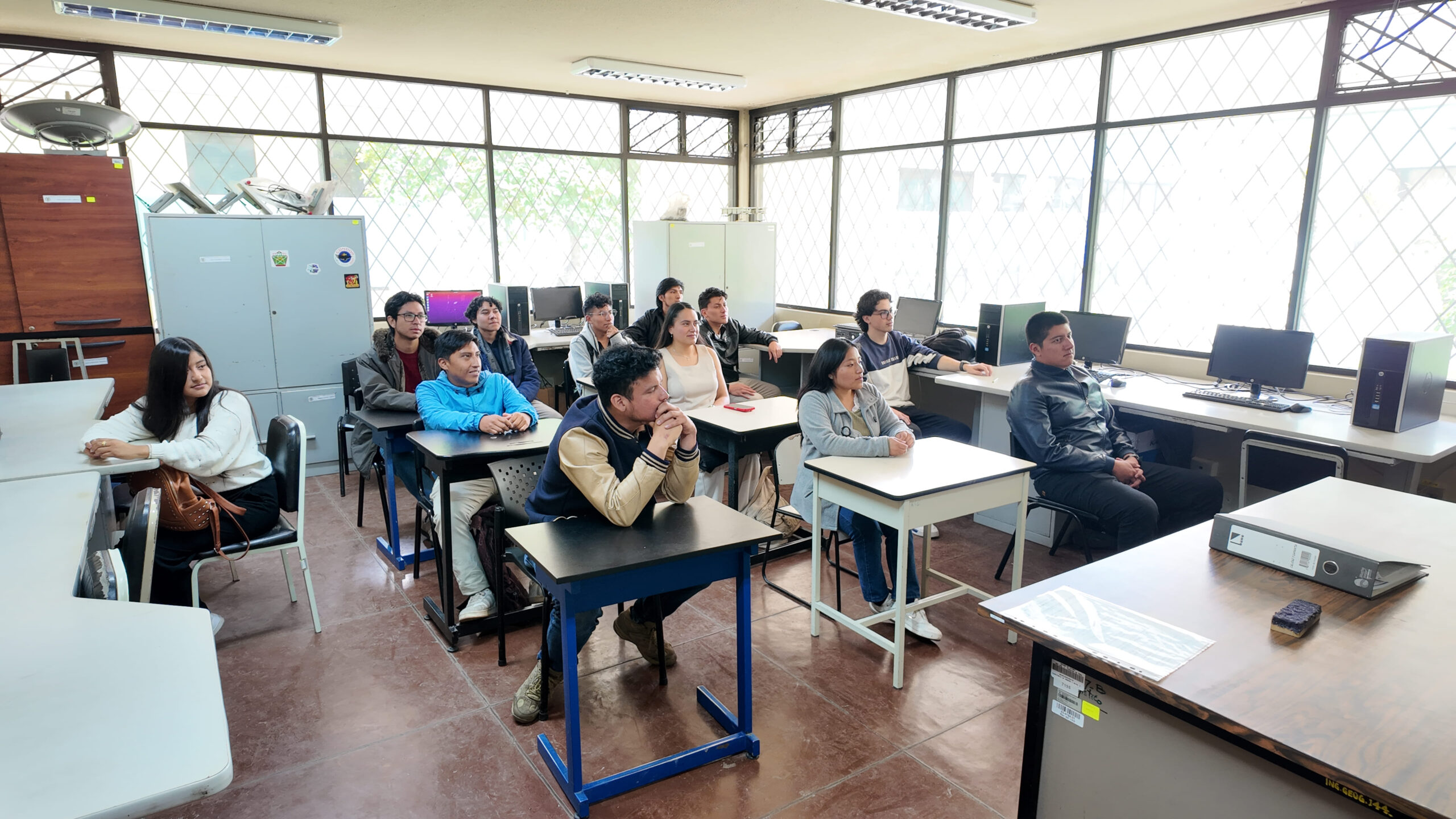
Gallery Gallery

Spaces, moments, and experiences that bring the program to life
Admissions and costs

Spaces, moments, and experiences that bring the program to life
CES Resolution

RPC-SO-15-No 309-2020

Program Code

ISOF-SQ-2023

Accreditation

In process

Application Dates

March – April 2025 / August – September 2025

Program cost:

Article 356 of the Constitution of the Republic establishes, among other principles, that third-level public higher education shall be tuition-free, and that this gratuity is linked to the academic responsibility of students.

Begin your path in

Accounting and Auditing

Join Universidad de las Fuerzas Armadas ESPE and become part of an

academic community of excellence with international reach.

DEGREE

Bachelor’s Degree in Accounting and Auditing

CES Resolution

RPC-SO-28-No.548-2017

DURATION

4.5 years

MODALITY

On-campus

Academic Identity

Learn about the foundations of the program

To train professionals and researchers of excellence, creative, humanistic with leadership capacity to solve economic, financial-accounting, administrative and control problems of public and private institutions with professional, ethical, technical criteria and high citizen awareness, which contribute to the regional and national development of the country, in accordance with the national development plan.

A benchmark in knowledge management in the areas of accounting, auditing, finance, and taxation with academic recognition at the regional and national level, with comprehensive training, ethics, which contribute to the development of the professional in society, through the preparation of qualified human resources.

Program video

Live the experience of studying Accounting and Auditing

Discover daily life in our classrooms, laboratories, and academic spaces. Students, faculty, and researchers share their stories.

Learn about the foundations of the program

Profiles and outcomes

The professional we train and the competencies you will develop

The profile of entry to the Accounting and Auditing career, the applicant must have the following knowledge, skills and basic skills that the applicant must have and that will facilitate the acquisition of disciplinary knowledge and a comprehensive training as citizens:

Knowledge

  • Comprehension reading ability.
  • Numerical, critical, logical and abstract reasoning skills.
  • Mathematics, Statistics, Accounting, Administration, Computer Science.

Abilities

  • Ability to identify problems and propose solutions.
  • Ability to analyse, synthesise and reflect.
  • Organizational Capacity.

Attitudes

  • Honesty, discipline, tolerance.
  • Interest in numerical, accounting-financial calculation and the humanistic sciences.
  • Ability to adapt to working in a team.
  • Responsibility for oneself and for one’s actions.
  • Investigative attitude.

The Professional or Graduate Profile summarizes the set of Learning Outcomes once the professional’s performance has been determined. It is necessary to make explicit the Learning Outcomes referring to the knowledge, skills and values/attitudes that allow outstanding behavior in a specific field. They describe what is capable of “knowing, knowing how to do, knowing how to be and knowing how to live together” in observable and assessable terms.

The training of the professional in the career of Accounting and Auditing is based on the practice of professional values; Therefore, this professional will strictly practice:

  • Code of ethics for accountants.
  • Code of ethics for auditors.
  • Code of ethics of the different organizations that require their services.

Analyze and understand that the areas of accounting management, internal control, risk and auditing function as interactive and iterative processes, directly related to financial processes, observing current laws.

Design and apply specialized cost systems, according to the particular needs of companies, and analyze their results with a financial perspective, contributing to decision-making.

Evaluates internal control and quality management systems; Understand and apply the methodology with which risks are detected and mitigated in organizations. They understand and apply ICT as a support for their profession.

Plan, manage, and evaluate accounting and auditing systems and processes effectively and efficiently, relying on information technologies, to improve validity and productivity.

Analyzes and evaluates the reasonableness of accounting, financial, and tax information through audit examinations.

Curriculum Structure

Academic structure of the program

Current Curriculum

Curriculum (not in force)

Gallery Gallery

Spaces, moments, and experiences that bring the program to life

Admissions and costs

Spaces, moments, and experiences that bring the program to life

CES Resolution

RPC-SO-15-No 309-2020

Program Code

ISOF-SQ-2023

Accreditation

In process

Application Dates

March – April 2025 / August – September 2025

Program cost:

Article 356 of the Constitution of the Republic establishes, among other principles, that third-level public higher education shall be tuition-free, and that this gratuity is linked to the academic responsibility of students.

Begin your path in

Accounting and Auditing

Join Universidad de las Fuerzas Armadas ESPE and become part of an

academic community of excellence with international reach.

DEGREE

Foreign Trade

Select a campus

DEGREE

Bachelor’s Degree in Foreign Trade

CES Resolution

RPC-SO-28-No.549-2017

DURATION

4 Years

MODALITY

On-campus

Academic Identity

Learn about the foundations of the program

To train professionals with ethical values and actions, with global business leadership, with operational and technical skills that allow them to meet the demands of the international market through a practical application program for the application of innovation strategies, using technological tools to promote exportable supply that allows the internationalization of companies and products that contribute to the economic development of the country.

By 2030 we will be a benchmark career in the field of Foreign Trade for the academic excellence, leadership and entrepreneurial skills of its graduates, distinguishing itself by the entrepreneurial attitude and ability to be positive agents of change as actors in the development and transformation of the Ecuadorian economy due to the dynamics of commercial exchange.

Objectives (General and specific): to promote human beings, capable of understanding the reality in which they live, with all its structural problems, to make them aware of their role and the contribution they can generate with their work, or of the damage they can cause with their bad practices, that is, to encourage ethical, honest behavior and commitment to the development of humanity and the preservation of the planet.

To train competent professionals in the commercial exchange of goods and services between countries with the application of global and national regulations, taking advantage of trade agreements and applying negotiation techniques that allow the internationalization of services, products and companies, under the perspective of a globalized world.

Strengthen international academic training: Incorporate subjects in English that allow students to access specialized literature, international regulations and develop communication skills in a key language for global trade.

Update and diversify the curriculum: Introduce innovative content and methodologies that respond to current trends in foreign trade, such as e-commerce, international logistics and sustainability in commercial operations.

Improve the employability of graduates: Ensure that students acquire technical and soft skills that allow them to perform successfully in multicultural and dynamic work environments, both in the public and private sectors.

Promote the internationalization of the career: Establish agreements with foreign educational institutions, promote student and teacher mobility programs, and participate in international academic networks to enrich training and expand students' professional opportunities

Program video

Live the experience of studying Foreign Trade

Discover daily life in our classrooms, laboratories, and academic spaces. Students, faculty, and researchers share their stories.

Learn about the foundations of the program

Profiles and outcomes

The professional we train and the competencies you will develop

The professional in Foreign Trade will be able to work in:

Public sector: customs control and regulation entities, ministries of commerce, export promotion and foreign investment.

Private sector: exporting companies, importers, cargo agencies, logistics operators, banks and insurance companies.

Consulting and entrepreneurship: creation of logistics services companies, advice on foreign trade, international business and customs management.

International organizations and chambers of commerce: support in integration, cooperation and trade promotion projects.

Academia and research: university teaching and development of applied research projects in international trade.

Design, execute and evaluate export and import strategies, with technical efficiency and national and international regulatory compliance.

Manage customs, logistics and international transport processes under quality and sustainability standards.

Develop business projects of internationalization and negotiation in global markets.

Analyze trade policies, international treaties, and economic indicators that impact foreign trade.

Apply information technologies for the management of foreign trade operations.

Act with professional ethics, social responsibility and commitment to the Sustainable Development Goals (SDGs).

It recognizes the theoretical and practical foundations of foreign trade and biotrade in Ecuador through the application of basic legal norms, the identification of pertinent cultural factors, and the use of essential technological tools for international operations.

Structure comprehensive foreign trade strategies and operational logistics systems, through the critical analysis of customs regulations, the application of technologies, sustainability principles and international negotiation techniques, in order to optimize supply chains, generate sustainable competitive advantages and position organizations in dynamic global markets.

It designs global strategies for international negotiation and sustainable foreign trade, through the integration of advanced technological tools, ethical principles, critical analysis of trade treaties and proactive risk management, in order to solve business dilemmas, optimize complex supply chains, establish sustainable global alliances and position organizations in competitive markets under principles of global responsibility and innovation.

Exercises ethical leadership and professional integrity in foreign trade operations, managing intercultural relations with respect and socio-environmental responsibility, in line with principles of sustainability and equitable development.

Develops emotional competencies and interpersonal skills to face international business challenges, demonstrating commitment to professional excellence and responsible decision-making in multicultural contexts.

Curriculum Structure

Academic structure of the program

Current Curriculum

Gallery Gallery

Spaces, moments, and experiences that bring the program to life

Admissions and costs

Spaces, moments, and experiences that bring the program to life

CES Resolution

RPC-SO-15-No 309-2020

Program Code

ISOF-SQ-2023

Accreditation

In process

Application Dates

March – April 2025 / August – September 2025

Program cost:

Article 356 of the Constitution of the Republic establishes, among other principles, that third-level public higher education shall be tuition-free, and that this gratuity is linked to the academic responsibility of students.

Begin your path in

Foreign Trade

Join Universidad de las Fuerzas Armadas ESPE and become part of an

academic community of excellence with international reach.

DEGREE

Business Administration

Select a campus

Select a campus

DEGREE

Bachelor of Business Administration

CES Resolution

RPC-SO-15-No 309-2020

DURATION

4 Years

MODALITY

On-campus

Academic Identity

Learn about the foundations of the program

To train professionals in Business Administration who are responsible, reflective, autonomous, critical, productive, creative, strategists, entrepreneurs and innovators, with solid theoretical knowledge, technical skills and human qualities, capable of analyzing, planning, managing, controlling and evaluating models and strategies of intervention in business organizations of all kinds, through the incorporation of scientific, methodological and ancestral knowledge contributions, to generate processes of social and technological innovation, increasing competitiveness and achievement of benefits in the organizations in which they work.

By 2030, the Business Administration career will be a benchmark in planning, doing, verifying and acting through knowledge and technology, which allows it to obtain national and international prestige, always oriented to the common good of society.

To encourage human beings, capable of understanding the reality in which they live, with all its structural problems, to make them aware of their role and the contribution they can generate with their work, or of the damage they can cause with their bad practices, that is, to encourage ethical, honest behavior and commitment to the development of humanity and the preservation of the planet

Related to knowledge:
Manage theoretical, scientific, and technical information to manage and direct a company efficiently and effectively, identifying organizational problems, proposing alternatives, and applying solutions that involve quality, innovation, and technology transfer processes.

Related to relevance:
Articulate theoretical, technical and practical knowledge with the socio-economic reality of the country, which responds to the problems related to society, through research projects and systematization of experiences, as productive entities.

Program video

Live the experience of studying Business Administration

Discover daily life in our classrooms, laboratories, and academic spaces. Students, faculty, and researchers share their stories.

Learn about the foundations of the program

Profiles and outcomes

The professional we train and the competencies you will develop

The professional in Business Administration will possess the following skills, attitudes and competencies (Ser):
– Identifies the deontological principles that govern the actions of the profession, as well as their effects within society and its development.
– Practices honesty as a norm in professional practice, condemning corruption, illicit enrichment and abuse of power.
– As a manager, he acts with leadership when making decisions, safeguarding collective interests over individual interests.
– Has risk aversity, being able to undertake their ideas and pursue their dreams.
– Adopts a political position in the face of national and international economic power structures and reality.
– Respects cultural, ethnic, and religious diversity in the formation of organizations, commercial, labor, and communication relations.
– Possesses adaptive thinking, based on reflection and instinct.
– It generates empathy among the people with whom it relates.
– Work in a team and contribute with creative ideas as a member or as a leader of the team.

The profile of the Bachelor of Business Administration is based on the competencies that cover the five knowledges that are: knowing, knowing how to be, knowing how to know, knowing how to do and knowing how to live together. The instruments of knowing how to be are: values, attitudes and norms; through them the information is processed. In knowing there are: notions, propositions, concepts and categories; and know-how requires procedures and techniques.
The graduate of Business Administration will have a multidisciplinary and multicultural training, based on the new scientific and technological trends of the profession. Aware of the great challenges and problems of the world, where the human being and his well-being are above any other primary need. Capable of understanding the nature of organizations from the basis of human behavior, which allows them to have a positive impact on their destiny, guaranteeing efficiency in the use of resources. They will have the ability to establish creative and innovative solutions to the needs that arise in companies, through the exercise of leadership and entrepreneurship and the identification of investment opportunities that contribute to the economic and social development of the country and the region. It will always be aligned with the support of the development and growth of Ecuador’s productive matrix.
– Analyzes administrative theories from different epistemological approaches and understands the why of science within the social context
– Understand the functioning of productive organizations from the following perspectives: accounting, economic and marketing
– Understand the concept of “quality” with all its elements, applied to production, service or operations processes.
– Analyse the social, economic and cultural environment, both nationally and internationally, and their impact on the business world.
– Interprets the managerial skills associated with the exercise of effective leadership.
– Learn about the importance of the concept of “innovation” and its contribution to business success.
– Know the regulations that govern the operation of productive organizations, as well as the laws and regulations that regulate labor, tax and environmental care relations.
– Identify the differences between the economic sectors: public, private and popular and solidarity economy.
– Is able to design strategies to streamline human talent management

Administration
Understand the theories and administrative processes to analyze, design and direct organizations with leadership, critical thinking and social responsibility, integrating scientific, ethical and sustainable criteria in decision-making and business management in globalized contexts.

Direction and Management
Critically and strategically analyze the organizational environment, applying technological, quality, and business management tools to design, implement, and evaluate innovative, sustainable, and socially responsible processes, projects, and business models that contribute to economic development and the improvement of business competitiveness.

Marketing Advertising
Analyze the market and consumer behavior to design and implement innovative and ethical marketing strategies, integrating market research, digital marketing, and e-business and e-commerce models, in order to strengthen the competitiveness and sustainability of organizations

Financial Management
Integrate accounting, financial and tax knowledge to analyze, plan and evaluate the economic and financial situation of organizations, applying technological tools, cost models, budgets and business valuation that support ethical, strategic and sustainable decision-making in public and private contexts.

Economy
Analyze the micro and macroeconomic principles that explain the functioning of markets and the economy as a whole, evaluating the impact of fiscal, monetary and international trade policies on production, employment and economic growth, to support business decision-making and promote sustainable development.

Curriculum Structure

Academic structure of the program

Current Curriculum

Curriculum (not in force)

Gallery Gallery

Spaces, moments, and experiences that bring the program to life

Admissions and costs

Spaces, moments, and experiences that bring the program to life

CES Resolution

RPC-SO-15-No 309-2020

Program Code

ISOF-SQ-2023

Accreditation

In process

Application Dates

March – April 2025 / August – September 2025

Program cost:

Article 356 of the Constitution of the Republic establishes, among other principles, that third-level public higher education shall be tuition-free, and that this gratuity is linked to the academic responsibility of students.

Begin your path in

Business Administration

Join Universidad de las Fuerzas Armadas ESPE and become part of an

academic community of excellence with international reach.