











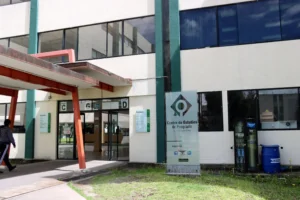
DEGREE
Biotechnology
Select a campus
You are viewing information for the campus: Sangolquí – Matriz
DEGREE
Biotechnologist Engineer
CES Resolution
RPC-SE-09-NO.086-2020
DURATION
4.5 years
MODALITY
On-campus
Academic Identity
Learn about the foundations of the program
- Mission
To train engineers in biotechnology, as professionals of excellence, researchers, critics, leaders, humanists and with high citizen awareness capable of innovating and undertaking, generating and applying the knowledge acquired for the resolution of biotechnological problems and THEIR transfer to all fields of action for the benefit of society and the Armed Forces at the national level.
- Vision
Leader in comprehensive biotechnology training, complying with national and international standards, through the practice of values and offering professional services to society.
- Program Objectives
- General objective
To train software engineers with technical, scientific and ethical competencies that enable them to design, develop and implement innovative technological solutions to solve complex problems of society and industry.
Characterize the different biological systems to recognize their structures and possibilities of transformation to strengthen industry and environmental conservation.
To meet the requirements of the productive matrix through the transformation of biological systems that potentiate it and allow its strengthening.
Use different biotechnological tools that allow the transformation of biological systems according to their optimization or usefulness to industry and science.
Promote food security and public health through the different bioproducts that are required to strengthen the development of citizenship.
Program video
Live the experience of studying Biotechnology
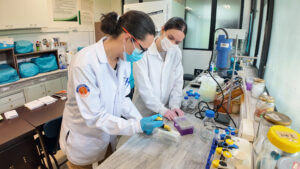
Discover daily life in our classrooms, laboratories, and academic spaces. Students, faculty, and researchers share their stories.
Learn about the foundations of the program
Profiles and outcomes
The professional we train and the competencies you will develop
- Professional Profile
The biotechnologist is a professional who designs and applies biotechnological systems, aimed at solving health, environment, biodiversity and industry problems, at the level of research and production, with social awareness and respect for human and environmental rights.
Their professional skills are:
- Interprets and solves Basic Science problems on universal principles and applies laboratory techniques as a practical foundation of biotechnology.
- It interprets and solves problems for the management and preservation of biodiversity and applies laboratory techniques, basic statistics and computer science as a practical foundation of biotechnology, with social responsibility focused on the needs and reality of our country.
- It applies and standardizes existing biotechnological protocols, innovates biotechnological instruments for production and health purposes, using computer and statistical tools, with scientific bases, practical vision and business application in accordance with national and international standards
- It plans, designs and executes biotechnological processes with engineering bases applied to the conservation of biodiversity and productivity, with scientific bases, practical vision and business application appropriate to the current needs of our country.
- Graduate Profile
- Apply, with critical thinking and professional ethics, scientific principles and knowledge, qualitative and quantitative methods and technological tools to solve biotechnological problems.
- Communicate orally and in writing, in a clear and organized manner, results, principles, standards, reports, and laboratory techniques.
- Design and apply, through the scientific method, biotechnological processes for the development of products and services, using up-to-date procedures and technologies.
- Ethically execute national and international policies, standards, and regulations on the design and management of laboratories, manufacturing activities, and the environment.
- To develop, with efficiency, action plans in the field of biotechnology for the continuous search for learning, training, research and entrepreneurship.
- Learning Outcomes
- In the basic unit
Interpret the physical, chemical, mathematical and biological phenomena related to the problems solved by the profession.
It distinguishes the components of plant and fauna biological systems, respecting their origin and contributing to their conservation
It characterizes microbiological systems for the sustainable management of ecosystems.
- In the professional unit
It implements a microbial germplasm bank, to safeguard the genetic diversity of the flora, and identifies possible applications in the field of food security.
It implements a plant germplasm bank, to safeguard the genetic diversity of the flora, and identifies possible applications in the field of food security.
Contributes to genetic improvement and the diagnosis of diseases in the livestock sector, as part of multidisciplinary teams.
Improve and innovate the synthesis of bioproducts and bioprocesses
It generates processes of bioremediation, sanitation, prevention and optimization of environmental resources.
- In the degree unit
Generates fast, efficient, and cost-effective diagnostic tests or kits
It generates biomolecules that can be used to improve the quality of life of the population
She is an active part of multidisciplinary teams in the area of human health
It generates bioproducts and bioprocesses, at the laboratory and prototype level.
Curriculum Structure
Academic structure of the program
Current Curriculum
Curriculum 2019 (No Longer in Force)
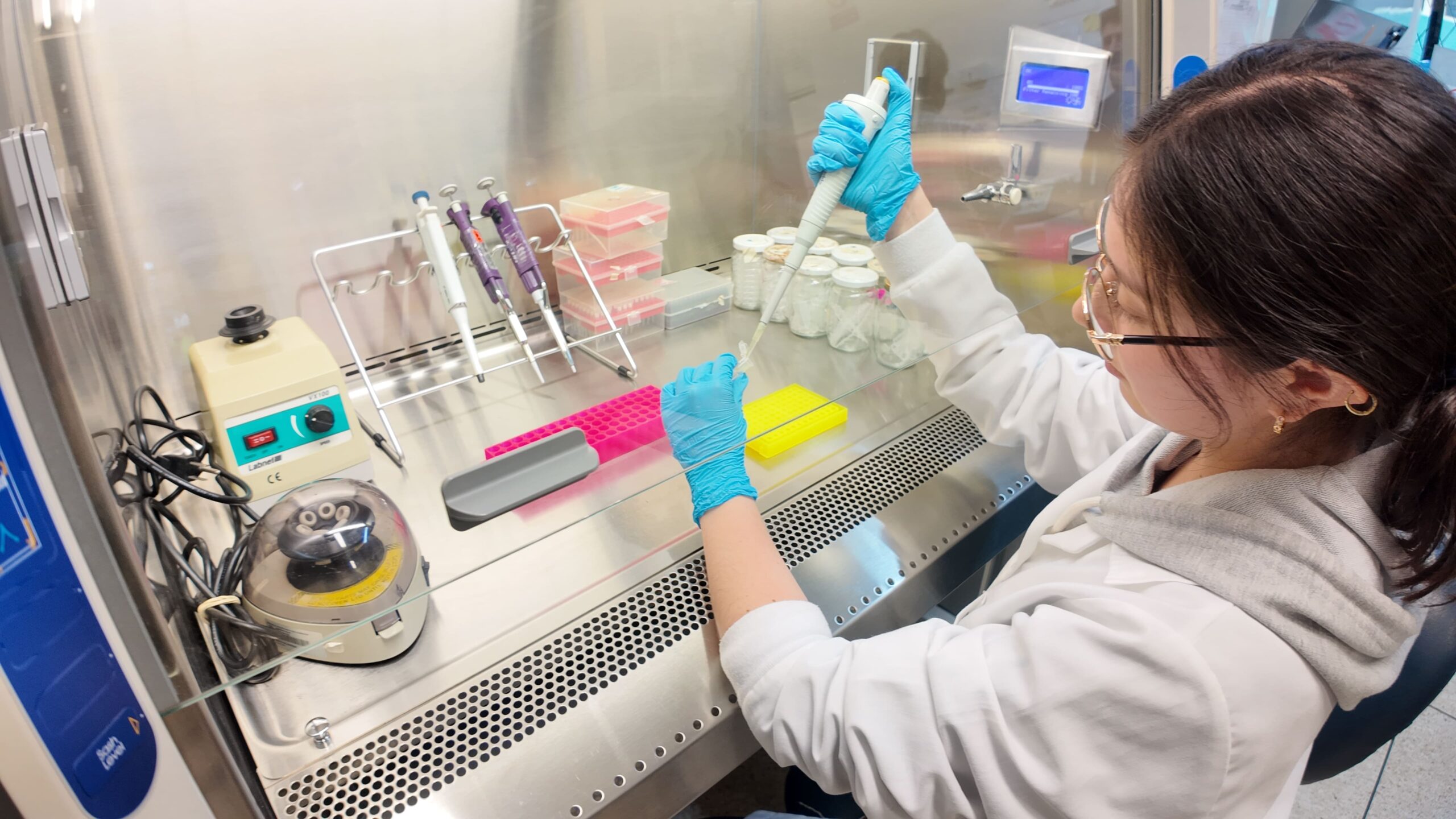
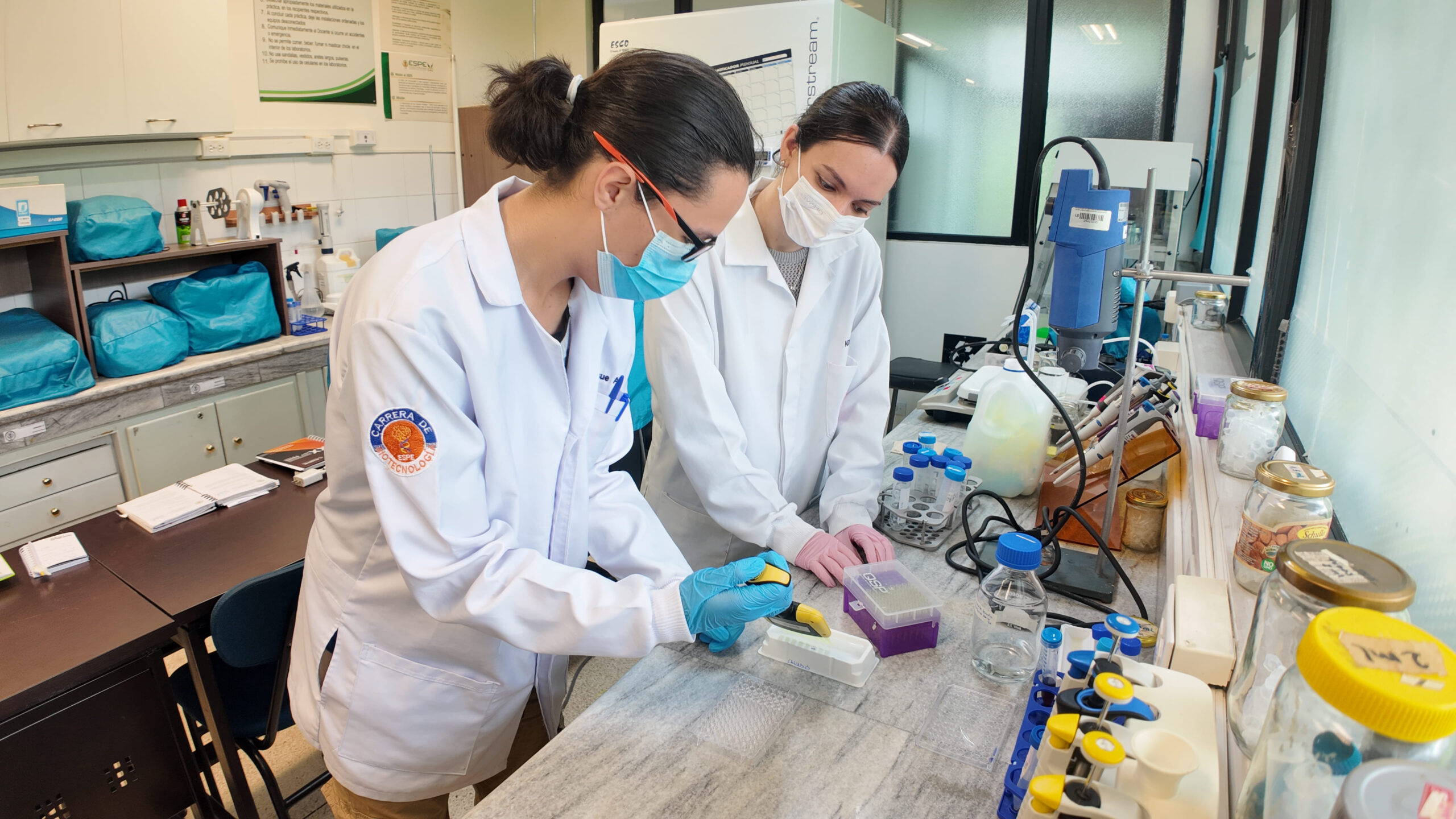
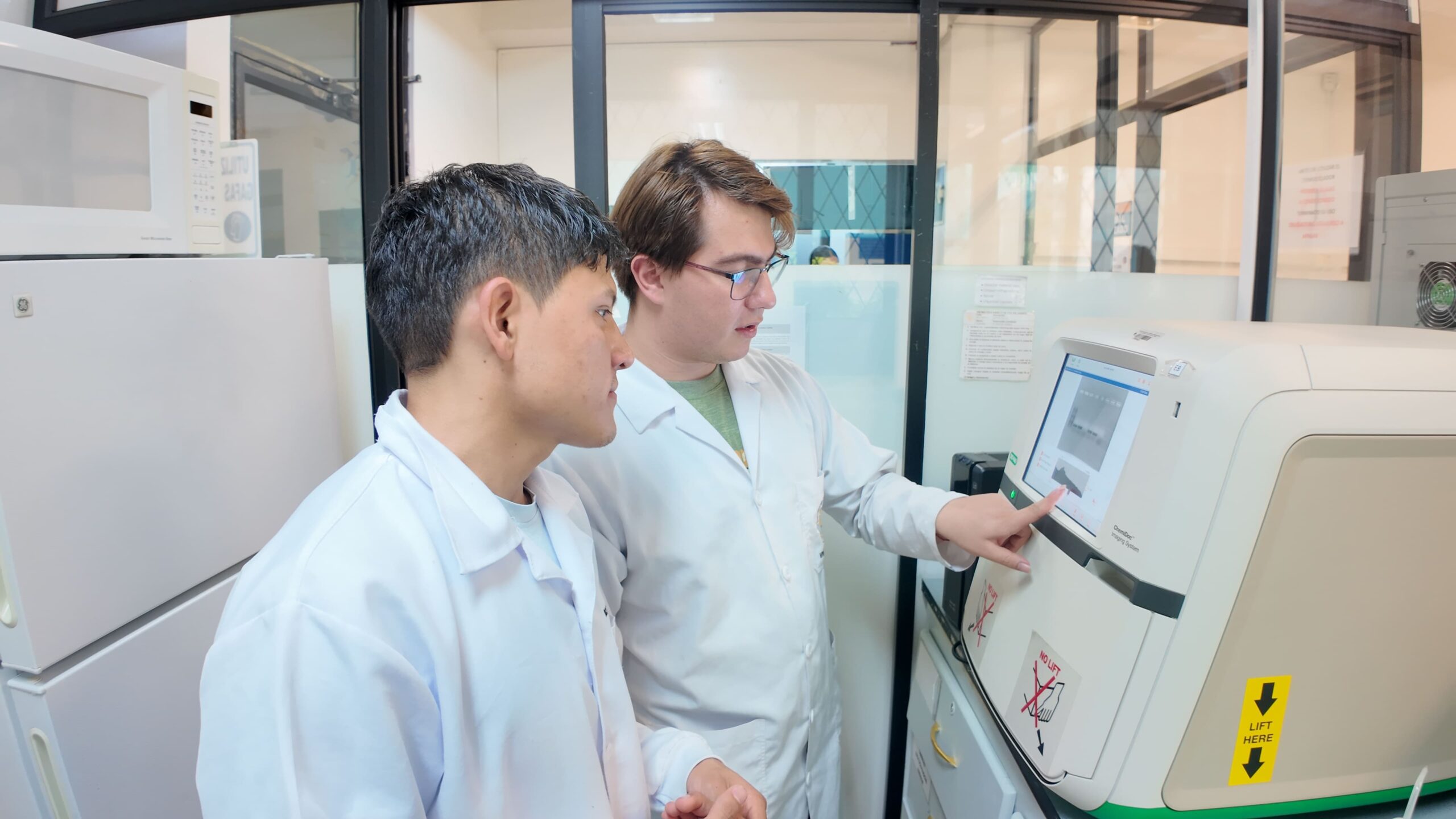
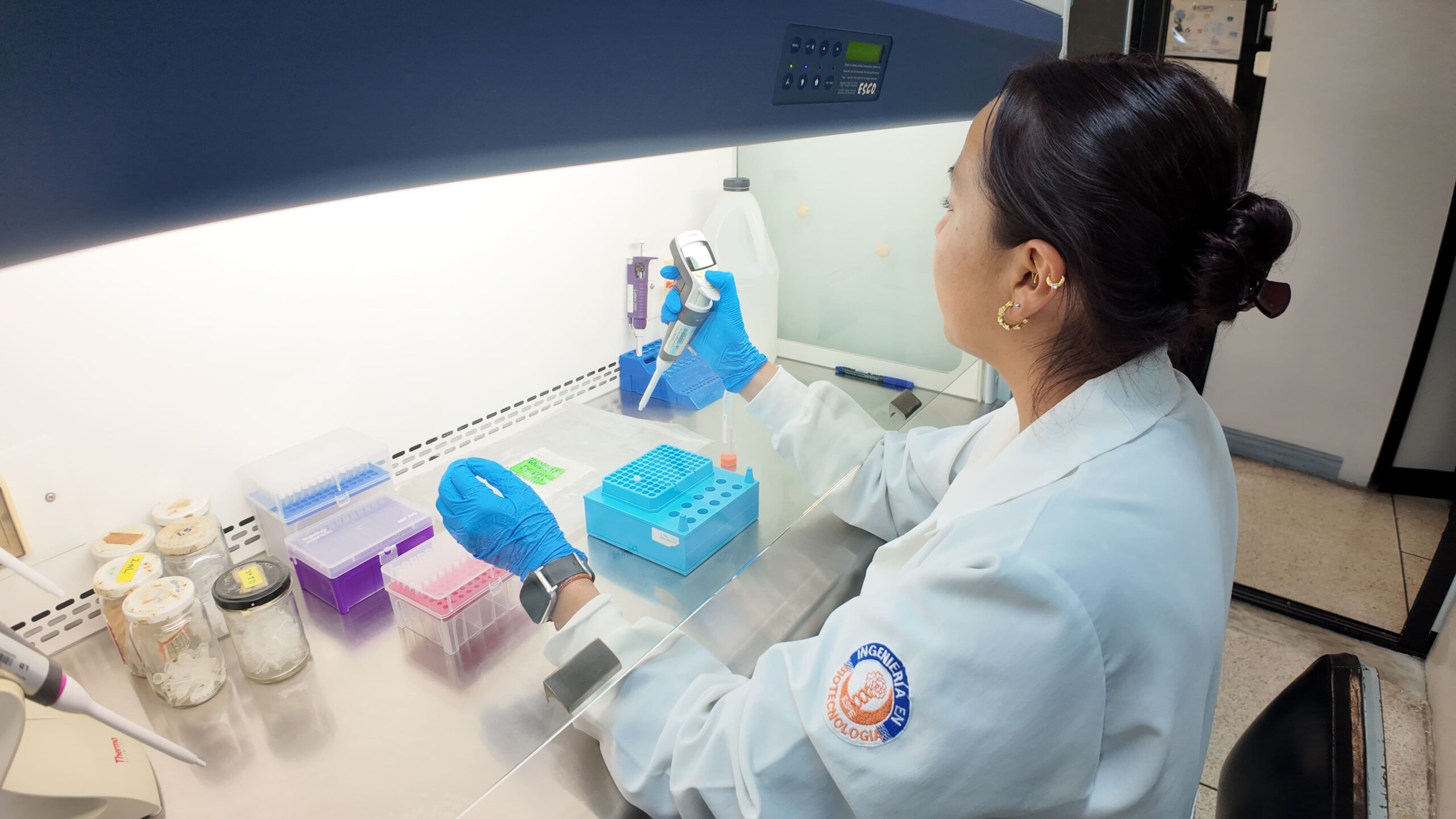
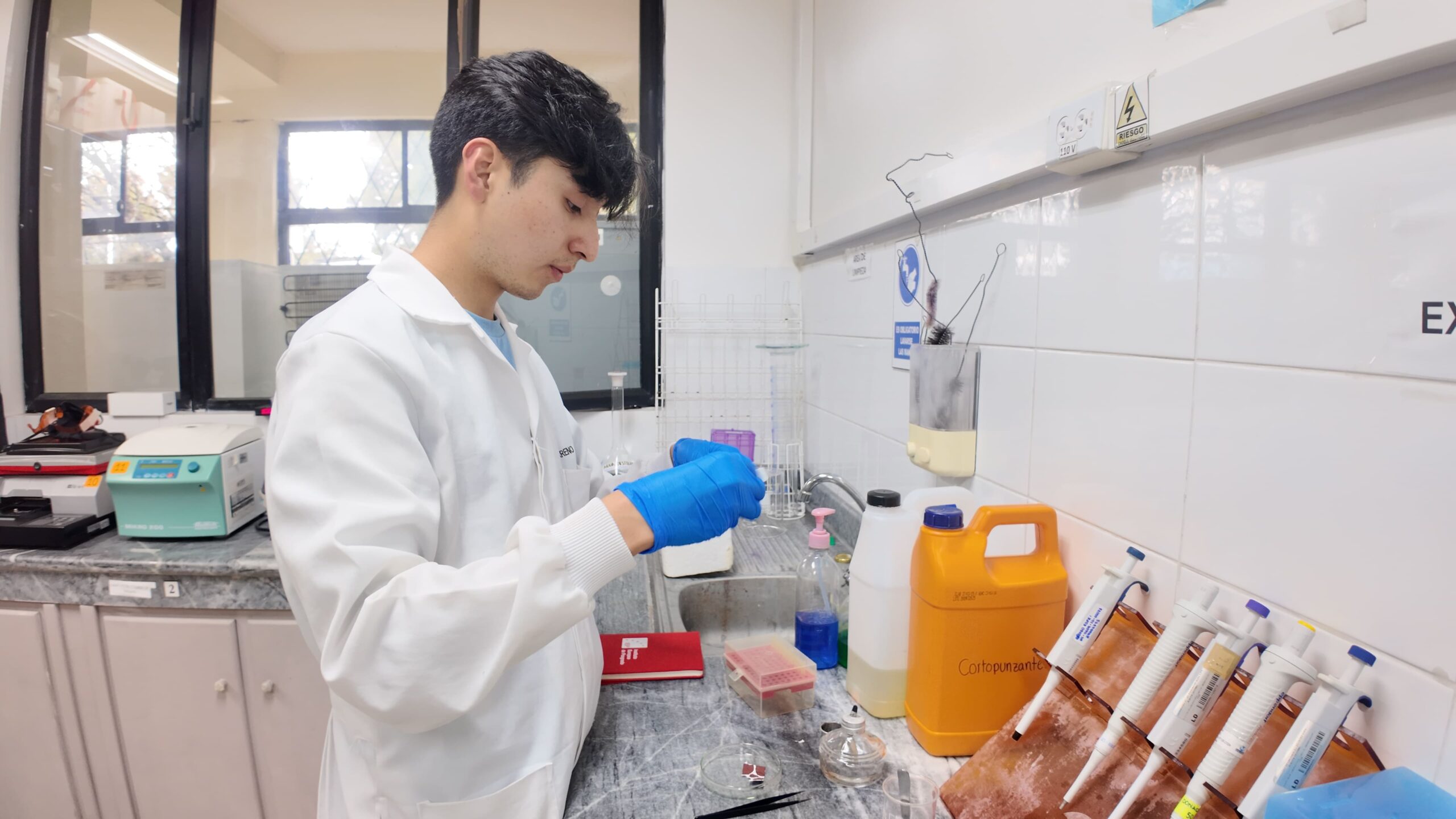
Gallery Gallery
Spaces, moments, and experiences that bring the program to life
Admissions and costs
Spaces, moments, and experiences that bring the program to life
CES Resolution
RPC-SO-15-No 309-2020
Program Code
ISOF-SQ-2023
Accreditation
In process
Application Dates
March – April 2025 / August – September 2025
Program cost:
Article 356 of the Constitution of the Republic establishes, among other principles, that third-level public higher education shall be tuition-free, and that this gratuity is linked to the academic responsibility of students.
Begin your path in
Biotechnology
Join Universidad de las Fuerzas Armadas ESPE and become part of an
academic community of excellence with international reach.
DEGREE
Biotechnologist Engineer
CES Resolution
RPC-SO-13-No.204-2016
DURATION
4.5 years
MODALITY
On-campus
Academic Identity
Learn about the foundations of the program
- Mission
To train engineers in biotechnology, as professionals of excellence, researchers, critics, leaders, humanists and with a high citizen awareness, capable of innovating and undertaking, generating and applying the knowledge acquired for the resolution of biotechnological problems and its transfer to all fields of action for the benefit of society and the Armed Forces at the national level.
- Vision
Leader in comprehensive biotechnology training, complying with national and international standards, through the practice of values and offering professional services to society.
- Program Objectives
- General objective
To train software engineers with technical, scientific and ethical competencies that enable them to design, develop and implement innovative technological solutions to solve complex problems of society and industry.
Characterize the different biological systems to recognize their structures and possibilities of transformation to strengthen industry and environmental conservation.
To meet the requirements of the productive matrix through the transformation of biological systems that potentiate it and allow its strengthening.
Use different biotechnological tools that allow the transformation of biological systems according to their optimization or usefulness to industry and science.
Promote food security and public health through the different bioproducts that are required to strengthen the development of citizenship.
Program video
Live the experience of studying Biotechnology
Discover daily life in our classrooms, laboratories, and academic spaces. Students, faculty, and researchers share their stories.
Learn about the foundations of the program
Profiles and outcomes
The professional we train and the competencies you will develop
- Professional Profile
The biotechnologist is a professional who designs and applies biotechnological systems, aimed at solving health, environment, biodiversity and industry problems, at the level of research and production, with social awareness and respect for human and environmental rights.
Their professional skills are:
- Interprets and solves Basic Science problems on universal principles and applies laboratory techniques as a practical foundation of biotechnology.
- It interprets and solves problems for the management and preservation of biodiversity and applies laboratory techniques, basic statistics and computer science as a practical foundation of biotechnology, with social responsibility focused on the needs and reality of our country.
- It applies and standardizes existing biotechnological protocols, innovates biotechnological instruments for production and health purposes, using computer and statistical tools, with scientific bases, practical vision and business application in accordance with national and international standards
- It plans, designs and executes biotechnological processes with engineering bases applied to the conservation of biodiversity and productivity, with scientific bases, practical vision and business application appropriate to the current needs of our country.
- Graduate Profile
- Apply, with critical thinking and professional ethics, scientific principles and knowledge, qualitative and quantitative methods and technological tools to solve biotechnological problems.
- Communicate orally and in writing, in a clear and organized manner, results, principles, standards, reports, and laboratory techniques.
- Design and apply, through the scientific method, biotechnological processes for the development of products and services, using up-to-date procedures and technologies.
- Ethically execute national and international policies, standards, and regulations on the design and management of laboratories, manufacturing activities, and the environment.
- To develop, with efficiency, action plans in the field of biotechnology for the continuous search for learning, training, research and entrepreneurship.
- Learning Outcomes
- In the basic unit
Interpret the physical, chemical, mathematical and biological phenomena related to the problems solved by the profession.
It distinguishes the components of plant and fauna biological systems, respecting their origin and contributing to their conservation
It characterizes microbiological systems for the sustainable management of ecosystems.
- In the professional unit
It implements a microbial germplasm bank, to safeguard the genetic diversity of the flora, and identifies possible applications in the field of food security.
It implements a plant germplasm bank, to safeguard the genetic diversity of the flora, and identifies possible applications in the field of food security.
Contributes to genetic improvement and the diagnosis of diseases in the livestock sector, as part of multidisciplinary teams.
Improve and innovate the synthesis of bioproducts and bioprocesses
It generates processes of bioremediation, sanitation, prevention and optimization of environmental resources.
- In the degree unit
Generates fast, efficient, and cost-effective diagnostic tests or kits
It generates biomolecules that can be used to improve the quality of life of the population
She is an active part of multidisciplinary teams in the area of human health
It generates bioproducts and bioprocesses, at the laboratory and prototype level.
Curriculum Structure
Academic structure of the program
Current Curriculum
Curriculum 2019 (No Longer in Force)
Gallery Gallery
Spaces, moments, and experiences that bring the program to life
Admissions and costs
Spaces, moments, and experiences that bring the program to life
CES Resolution
RPC-SO-15-No 309-2020
Program Code
ISOF-SQ-2023
Accreditation
In process
Application Dates
March – April 2025 / August – September 2025
Program cost:
Article 356 of the Constitution of the Republic establishes, among other principles, that third-level public higher education shall be tuition-free, and that this gratuity is linked to the academic responsibility of students.
Begin your path in
Biotechnology
Join Universidad de las Fuerzas Armadas ESPE and become part of an
academic community of excellence with international reach.