






Menu
Get to know us

Learn about our achievements and international accreditations.
STRUCTURE

Consult our resolutions and the legal regulations governing the university.
HEADQUARTERS

Explore all our academic offerings available at different locations throughout the country.
Departments

Discover the research lines and active projects of our departments.
Strategic Management

Learn about our commitment to sustainable development and internationalization.
Quality Management

Check our position in the best university rankings in the world.
Degree
Access services that support your academic and personal development.
postgraduates
Access scholarship programs and financial aid for your fourth level training.
Military Training
Learn about the values and the integral formation of our cadets and aspirants.
Continuing Education
Complement your professional training with our foreign language program.
Management

Scientific Community
Meet the research groups that lead the generation of knowledge at ESPE.
Centers

Access our scientific journals and books published by ESPE.

Find external calls for proposals to finance your ideas and projects.

Find out how we link science to the needs of our community.
Scientific Production

Access databases and scientific articles from our virtual library.
Linkage management
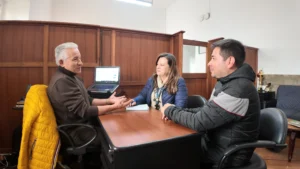
Develop your business ideas with the support of our innovation network.
Community service projects

Access to health services for the entire community.
Pre-professional internships

Check out the institutional agreements to do your internship in the best companies.
Entrepreneurship
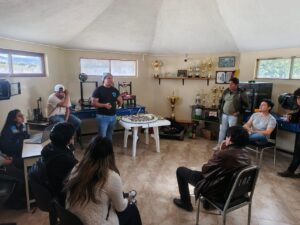
Knows the processes of intellectual property and knowledge transfer.
Technology Transfer

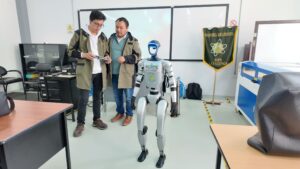
Apply for your ideas in our current calls for social impact projects.
Financial Support

Keep up to date with registration dates, exams and institutional events.
HEALTH AND WELLNESS

Learn about the coverage and benefits of accident insurance for students.
Academic Resources

Make your certificate requests and student procedures digitally.
Life and Community
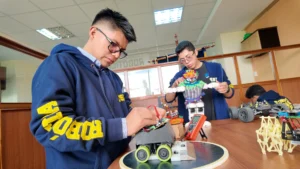
Join our university sports, cultural and artistic clubs.
Accountability
Access all public and financial information about our institution.
General Secretariat

We solve your doubts about enrollment processes, degrees and more.
Institutional transparency

Find the contact of the authorities and administrative departments.
Directory
Do you have problems with your mail or platforms? Our team will help you.
Technical Support

Login directly to your academic portal to review grades and schedules.
Frequently Asked Questions

Find quick answers about the admission and enrollment process.