







ESPE

Menu

DUAL TRAINING

Nautical Sciences

Select a campus

DEGREE

Merchant Marine Officer

CES Resolution

RPC-SO-44-No.7 97 -2019

DURATION

4 Years

MODALITY

Dual

Academic Identity

Learn about the foundations of the program

Manage the education of seafarers and fishing personnel through the delivery of courses, training certificates, professional development, instruction, and specialization programs based on a high-quality academic model, in accordance with the requirements of the maritime authority, in order to contribute to safety and security in aquatic environments.

To be a leading institution at the regional level in the education and training of seafarers and fishing personnel, grounded in strong professional values and principles, committed to the development of the national and international maritime sector.

To train professionals in the Bachelor’s Degree in Nautical Sciences, with a qualification as Merchant Marine Officers, capable of providing professional technical assistance on board and contributing to maritime transport safety, respect for State sovereignty, and improved access to international and tourism markets. This is achieved through the planning, analysis, management, and evaluation of safe navigation of a merchant vessel, as well as the vessel’s logistical operations to and from port, ensuring the efficient operation of main and auxiliary onboard systems and the coordination of cargo handling processes in port. The objective is to contribute to the safety of human life at sea, the protection of property, the preservation of the marine environment, and the development of the national maritime sector within a framework of safety, quality, and environmental responsibility.

To manage the operation of a merchant vessel in a safe, integrated, and sustainable manner, both at sea and in port.

To address requirements related to maritime transport safety and vessel logistics both at sea and in port, respect for State sovereignty, the development of multimodal transport in response to global supply chain demands, and advances in science and technology in navigation and port logistics.

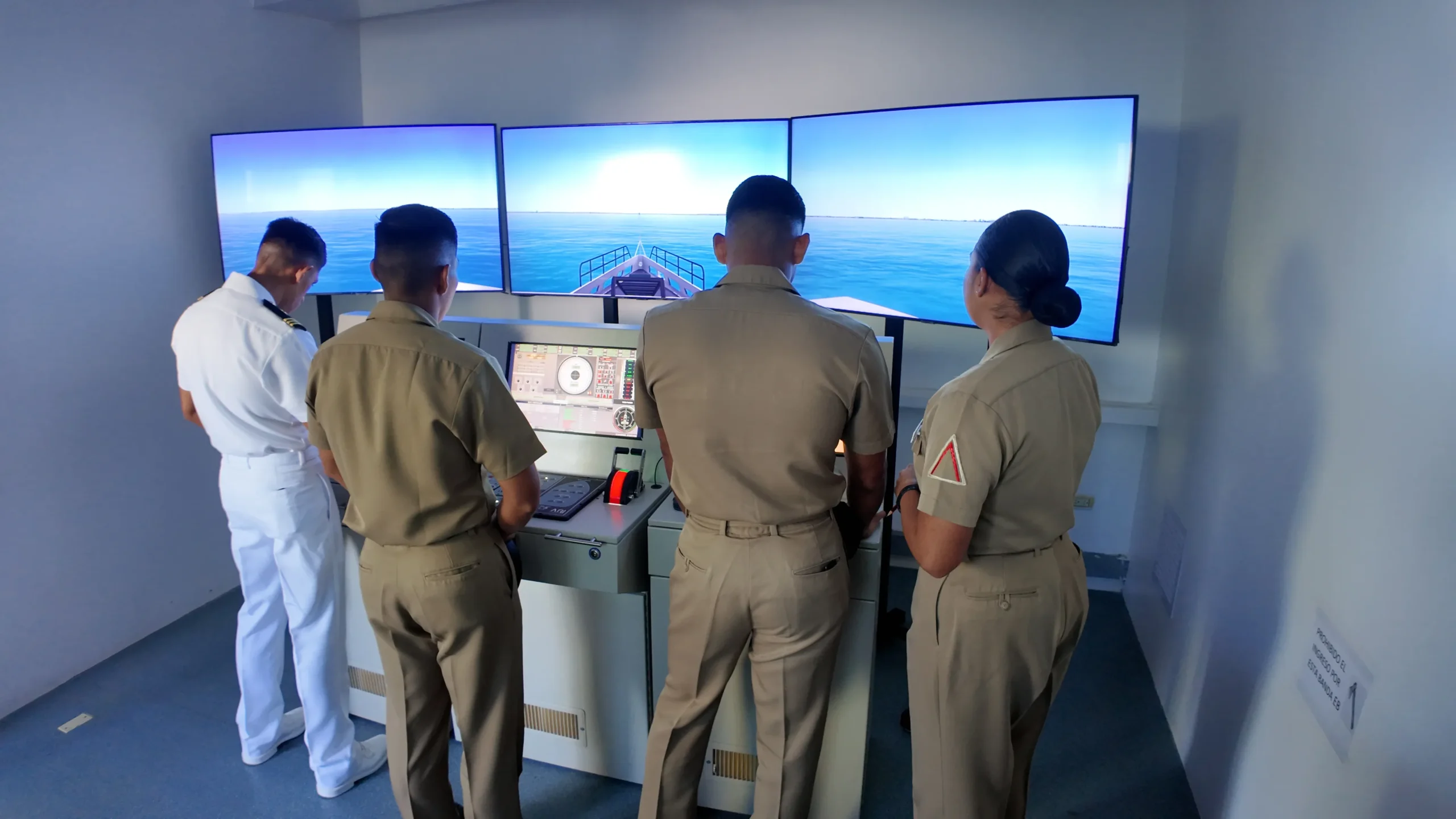
To conduct real or simulated tests on various types of vessels and port facilities, including state-of-the-art systems; to simulate the vessel’s structural resistance during cargo handling operations; and to evaluate potential emergency situations.

To promote leadership, teamwork, discipline, and responsibility, as well as the development of community engagement projects, in order to contribute to the safety of human life at sea and the conservation of the marine environment.

Program video

Experience what it’s like to study Merchant Marine Officer

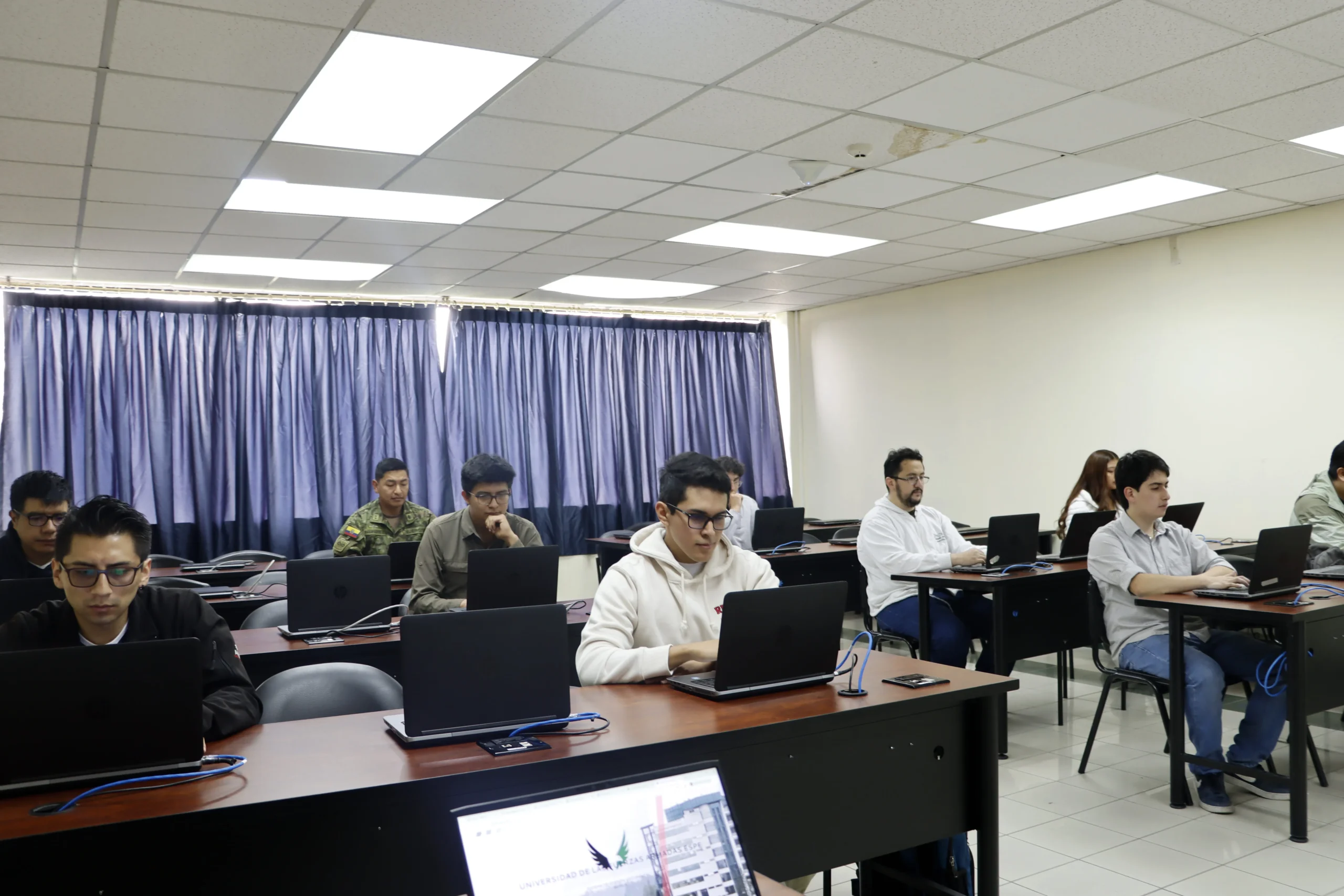
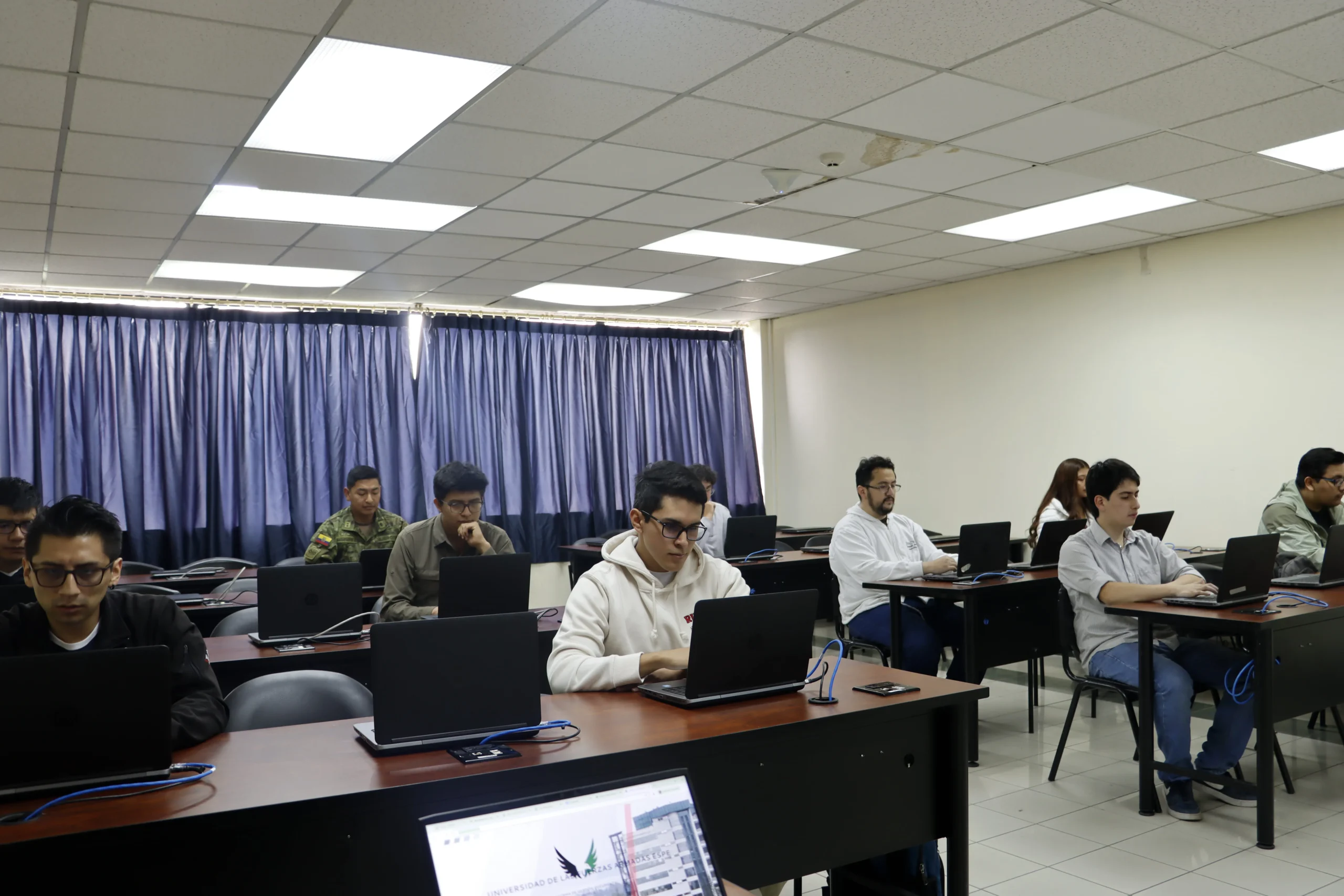
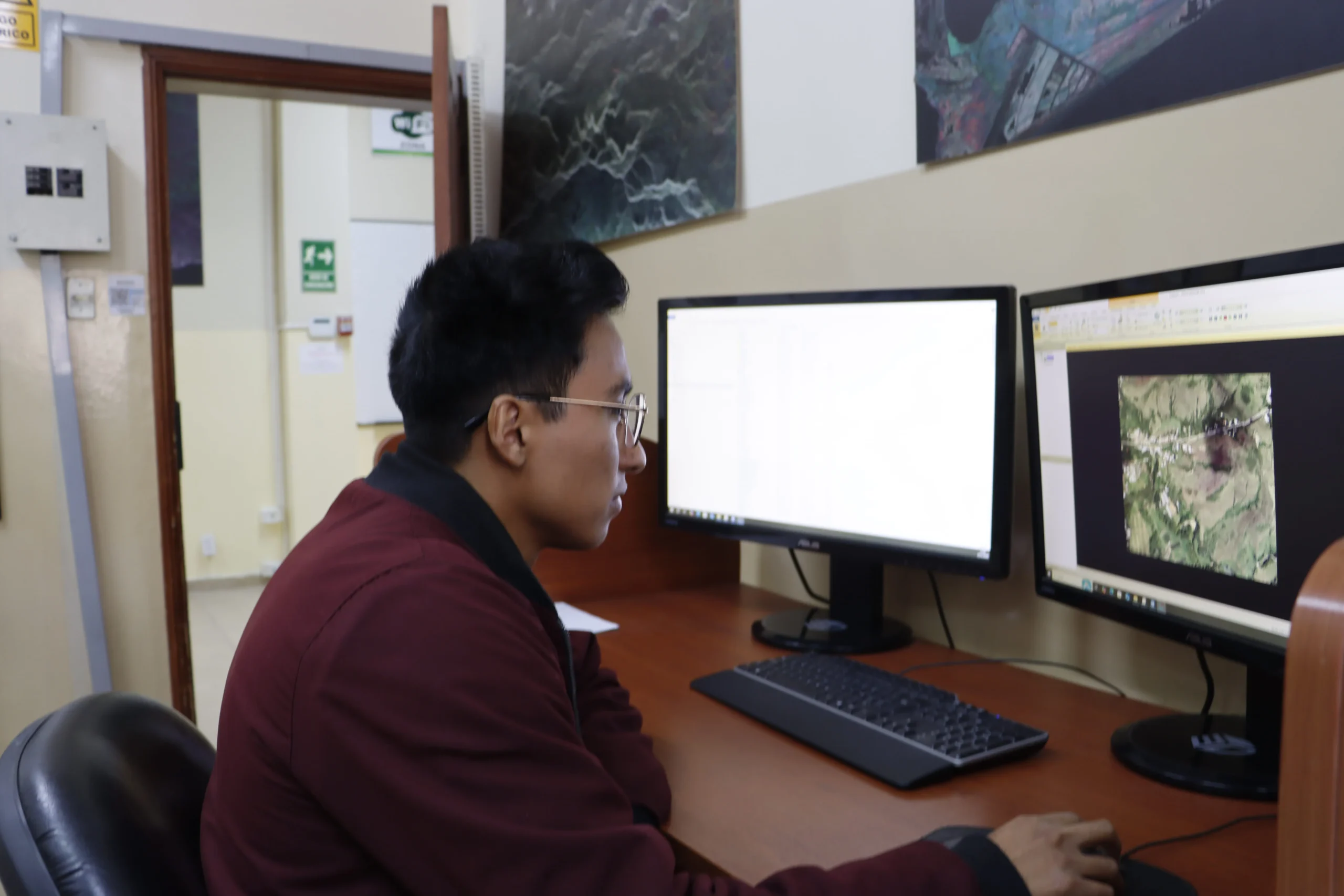
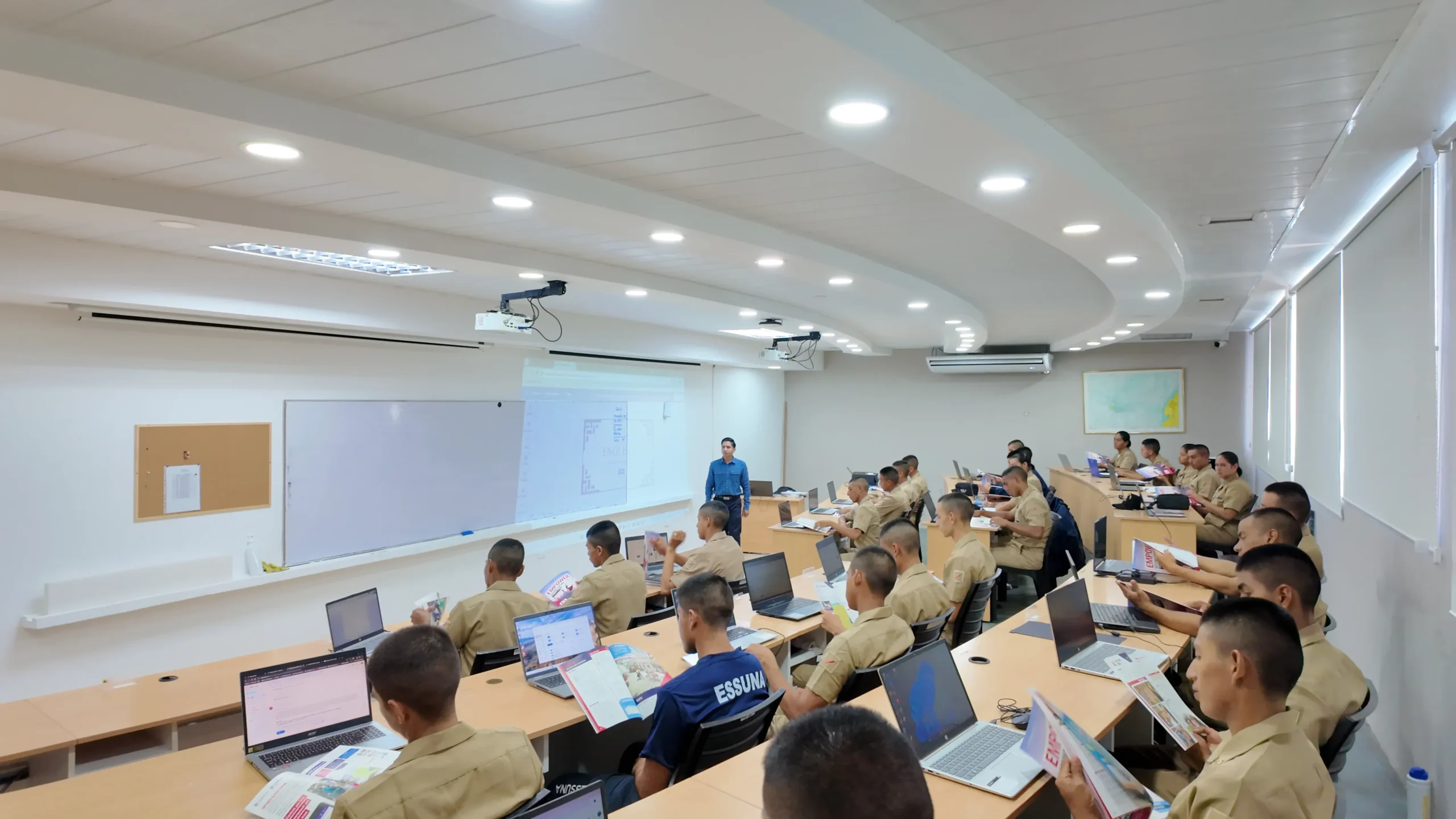
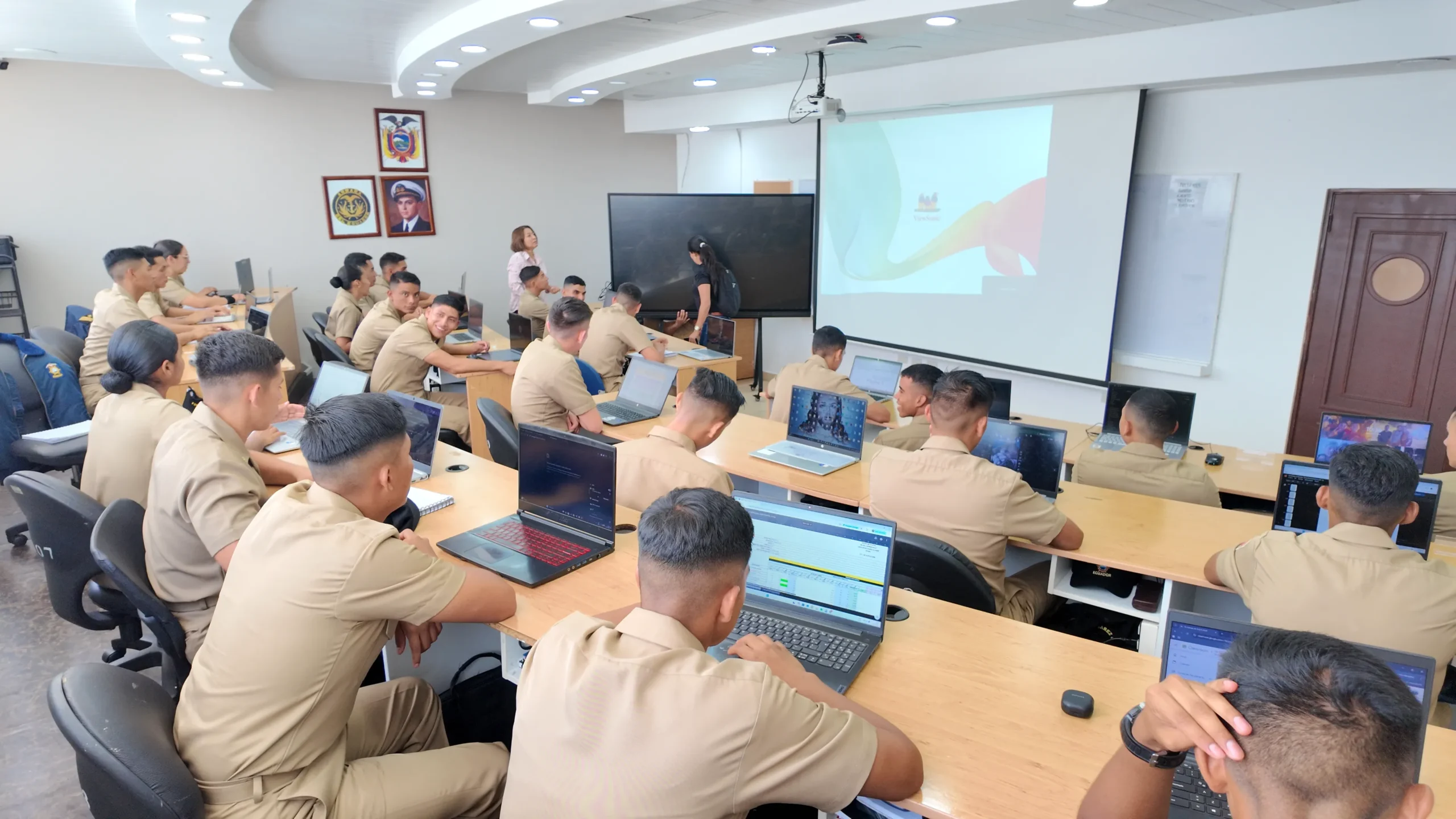
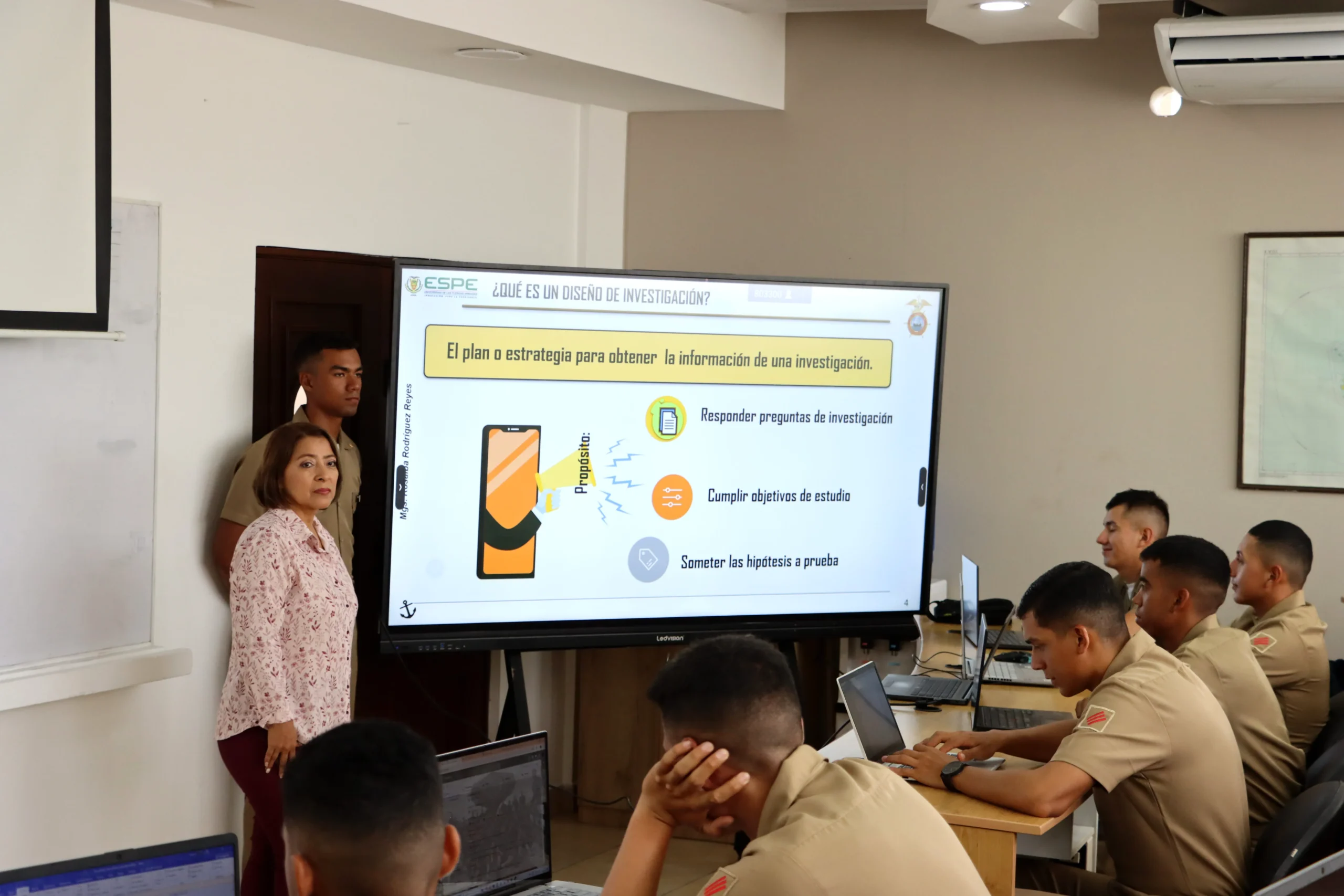
Discover daily life in our classrooms, laboratories, and academic spaces. Students, faculty, and researchers share their stories.

Learn about the foundations of the program

Profiles and outcomes

The professional we train and the competencies you will develop

Development of critical thinking skills to handle complex situations and find solutions to routine and emergency problems. Respect and support for the conservation of the marine environment Comply with national and international regulations on safe navigation. Applies regulations related to the safety of human life at sea, the vessel, and the environment. Develops discipline, professional ethics, demonstrates proactiveness, and applies the principles of leadership and teamwork in the scale of institutional values for their personal and professional training and fulfillment of institutional objectives. Solves problems in the maritime transport and port logistics sector by forming multidisciplinary teams, accurately and promptly.

The Merchant Marine Officer program fosters values and principles focused on leadership, teamwork, esprit de corps, discipline, and responsibility, while respecting interculturality and gender equity, as well as the exercise of citizens’ rights within a universal mindset that contributes to the advancement of human rights. The Merchant Marine Officer, through their professional practice, will strengthen these principles and values by being closely linked to the transport of goods and passengers under a global regulatory framework, complying with international legislation, ensuring the safety of human life at sea, and protecting the marine environment. In doing so, they contribute to national development based on the principle of solidarity, respecting cultural roots and traditions, and applying critical and creative judgment to maintain high standards in the execution of the country’s maritime activities.

Development of critical thinking skills to handle complex situations and find solutions to routine and emergency problems.

Respect for and support of the conservation of the marine environment.

Complies with national and international regulations for safe navigation.

Applies regulations related to the safety of human life at sea, the vessel, and the environment.

Develops discipline and professional ethics, demonstrates proactivity, and applies the principles of leadership and teamwork within the framework of institutional values for personal and professional development and the achievement of institutional objectives.

Solves problems in the maritime transport and port logistics sector by forming multidisciplinary teams, with precision and promptness.

Curriculum Structure

Academic structure of the program

Current Curriculum

Curriculum 2019 (No Longer in Force)

Program Teachers

Meet those who will guide you

Gallery Gallery

Spaces, moments, and experiences that bring the program to life
Admissions and costs

Spaces, moments, and experiences that bring the program to life

Acreditacion Chile

CES Resolution

RPC-SO-15-No 309-2020

Program Code

ISOF-SQ-2023

Accreditation

In process

Application Dates

March – April 2025 / August – September 2025

Program cost:

Article 356 of the Constitution of the Republic establishes, among other principles, that third-level public higher education shall be tuition-free, and that this gratuity is linked to the academic responsibility of students.

Begin your path in

Aeronautical Sciences

Join Universidad de las Fuerzas Armadas ESPE and become part of an

academic community of excellence with international reach.

DEGREE

International Relations

Select a campus

DEGREE

Bachelor’s Degree in International Relations

CES Resolution

RPC-SO-07-No.116-2022

DURATION

4 Years

MODALITY

On-campus

Academic Identity

Learn about the foundations of the program

To train outstanding professionals and researchers in International Relations—creative, humanistic, with leadership skills, critical thinking, and a strong sense of civic responsibility—committed to contributing to national development and addressing the needs of society and the Armed Forces.

To be an International Relations program recognized at the national and regional levels for excellence in academic training, knowledge production, and its contribution to the analysis and management of global affairs, strategically supporting the strengthening of security and defense, in alignment with the ethical, civic, and community service values that guide the Armed Forces University ESPE.

To train graduates in International Relations with integrity, critical thinking, analytical breadth, and academic rigor, committed to the primacy of the State’s interests. To prepare professionals capable of analyzing the international context by identifying actors and processes—particularly those related to security—and of designing strategies and plans at the political-strategic level. All of this is grounded in the integration of basic and advanced theoretical and practical knowledge of the discipline, aimed at achieving national objectives.

a. Knowledge:

To organize learning environments based on the epistemological foundations and fundamental principles of International Relations, as well as the fields of security, conflict, and cooperation among States, applying the postulates of political science, economics, history, and law. This is achieved through processes that enable students to demonstrate integrity, critical thinking, breadth of perspective, and academic rigor, prioritizing the interests of the State over individual interests.

b. Relevance:

To integrate the dynamics of theory and practice through the design of research and projects involving advanced analytical assessment of strategic and security components, aiming to identify conflict-related processes associated with decision-making in strategic and international security sectors, in order to contribute to the transformation of the country’s cognitive and social framework.

c. Learning:

To manage learning environments that enable students to bridge theory and practice, designing analytical scenarios that integrate commercial, political, and cultural ties—and their consequences at the national and international levels—from a strategic and geopolitical perspective.

d. Interculturality:

To integrate the International Relations program with the community and societal stakeholders, addressing social, cultural, ecological, ancestral, and gender diversity through the practical application of development theories, as an ethical commitment.

Program video

Experience what it’s like to study International Relations

Discover daily life in our classrooms, laboratories, and academic spaces. Students, faculty, and researchers share their stories.

Learn about the foundations of the program

Profiles and outcomes

The professional we train and the competencies you will develop

The Bachelor’s graduate in International Relations from the Armed Forces University ESPE is a well-rounded professional with a solid academic background, critical thinking, and a strategic vision, oriented toward understanding and managing international phenomena. They possess the ability to analyze the global environment by identifying actors, dynamics, and political, economic, and security groups, with an emphasis on those that impact national defense and the interests of the State.

Has the competencies to design, implement, and evaluate strategies and policies in the political-strategic field, as well as to provide advisory support in decision-making within public institutions, international organizations, and entities related to security and defense. Their education integrates theoretical and practical knowledge of International Relations, along with advanced analytical and methodological tools.

They are characterized by leadership, professional ethics, civic commitment, and a vocation for service, contributing to national development, the country’s international projection, and the preservation of security and State sovereignty.

Describes and analyzes reality based on the fundamental principles of International Relations, linking fields such as security, conflict, and cooperation among States, as well as the principles of political science, economics, and law; demonstrating integrity, critical thinking, breadth of perspective, and academic rigor, prioritizing national interests over individual ones.

Designs analytical scenarios that incorporate aspects related to trade relations and their consequences at both national and international levels, from a strategic and geopolitical perspective; demonstrating integrity, critical thinking, breadth of perspective, and academic rigor, prioritizing national interests over individual ones.

Designs research and projects involving advanced analytical assessment of strategic and security components, through the identification of conflict-related processes associated with decision-making in strategic and international security sectors; demonstrating integrity, critical thinking, breadth of perspective, and academic rigor, prioritizing national interests over individual ones.

Recognizes the fundamental principles of International Relations through the comparison of theoretical models and the development of basic analyses of actors and general processes from an exploratory approach, using the State and International Organizations as units of analysis.

Describes, through a deductive approach, the basic processes and actors of the international system using theoretical and conceptual frameworks from International Relations, political science, and administration, based on inference and the outcomes of community engagement.

Provides a general characterization of conflict-related processes in the international system by linking security, law, and development, using a deductive approach derived from the core principles of the discipline’s main subfields.

Designs a basic analytical model that enables the interpretation and evaluation of decisions and strategies in the fields of foreign policy and international political economy.

Designs an intermediate model for analysis and projection to improve specific aspects within Ecuador’s foreign policy decision-making process, through project management and evaluation under a methodological framework.

Designs an analytically valuable scenario that links aspects related to trade relations and their consequences for Ecuador’s interests, from a strategic and geopolitical perspective.

Designs an action plan based on advanced theoretical concepts and perspectives in geopolitics, security, and defense, aimed at optimizing decision-making in the political-strategic sector.

Designs an action plan based on advanced theoretical concepts and perspectives in peace and conflict studies, regionalism, and negotiation, aimed at optimizing decision-making in the political-strategic sector.

Designs, implements, and evaluates strategic plans associated with the conflict dynamics of Ecuador’s regional and neighboring environment, aimed at structurally improving analysis and decision-making processes in the political-strategic sphere.

Designs, implements, and evaluates strategic plans related to conflict processes in South America and emerging threats, aimed at structurally improving analysis and decision-making processes in the political-strategic sphere.

Curriculum Structure

Academic structure of the program

Current Curriculum

Gallery Gallery

Spaces, moments, and experiences that bring the program to life

Admissions and costs

Spaces, moments, and experiences that bring the program to life

CES Resolution

RPC-SO-15-No 309-2020

Program Code

ISOF-SQ-2023

Accreditation

In process

Application Dates

March – April 2025 / August – September 2025

Program cost:

Article 356 of the Constitution of the Republic establishes, among other principles, that third-level public higher education shall be tuition-free, and that this gratuity is linked to the academic responsibility of students.

Begin your path in

International Relations

Join Universidad de las Fuerzas Armadas ESPE and become part of an

academic community of excellence with international reach.

DEGREE

Early Childhood Education

Select a campus

DEGREE

Bachelor’s Degree in Early Childhood Education

CES Resolution

RPC-SO-28-No.467-2023

DURATION

4 Years

MODALITY

Online

Academic Identity

Learn about the foundations of the program

Manage the implementation of course syllabi across academic programs and thesis projects, as well as guide the provision of support to meet student needs, through the application of agile, dynamic, and straightforward methods and procedures, in order to promote the development of outstanding academics, professionals, and researchers who are creative, humanistic, possess leadership skills, critical thinking, and a strong sense of civic responsibility. Article 52 of the Organic Regulation of Organizational Management by Processes of the Universidad de las Fuerzas Armadas – ESPE. RESOLUTION: ESPE-HCU-RES-2024-056, dated June 20, 2024.

“To be a leading university in knowledge and technology management within the national higher education system, with international prestige and recognized as a benchmark for the practice of ethical, civic, and service-oriented values to society.”

Organize learning environments based on the epistemological foundations of educational sciences, neuroscience, the comprehensive development of the individual, and the arts, addressing social, cultural, ecological, ancestral, and gender diversity at the local and national levels, through the formulation and/or management of projects.

Integrate knowledge through curricular adaptations, grounded in contemporary pedagogical, psychological, and didactic perspectives, within the ongoing dynamic between theory and practice, innovating models of education, care, and emotional support for children in early childhood, in order to enhance the transformation of the country’s cognitive and social framework.

Manage learning environments that engage students through action research across the various occupational fields of the program, strengthening specific competencies that contribute to learning processes for cognitive development, motor development, emotional growth, and playful expression, oriented toward respect for early childhood.

Develop, through processes of analysis and reflection throughout their education, metacognition, self-regulation, autonomy, leadership, and respect for cognitive, cultural, gender, and environmental diversity, as well as peace as an ethical commitment, in order to contribute to the fulfillment of the principles of Buen Vivir.

Program video

Experience studying Early Childhood Education

Discover daily life in our classrooms, laboratories, and academic spaces. Students, faculty, and researchers share their stories.

Learn about the foundations of the program

Profiles and outcomes

The professional we train and the competencies you will develop

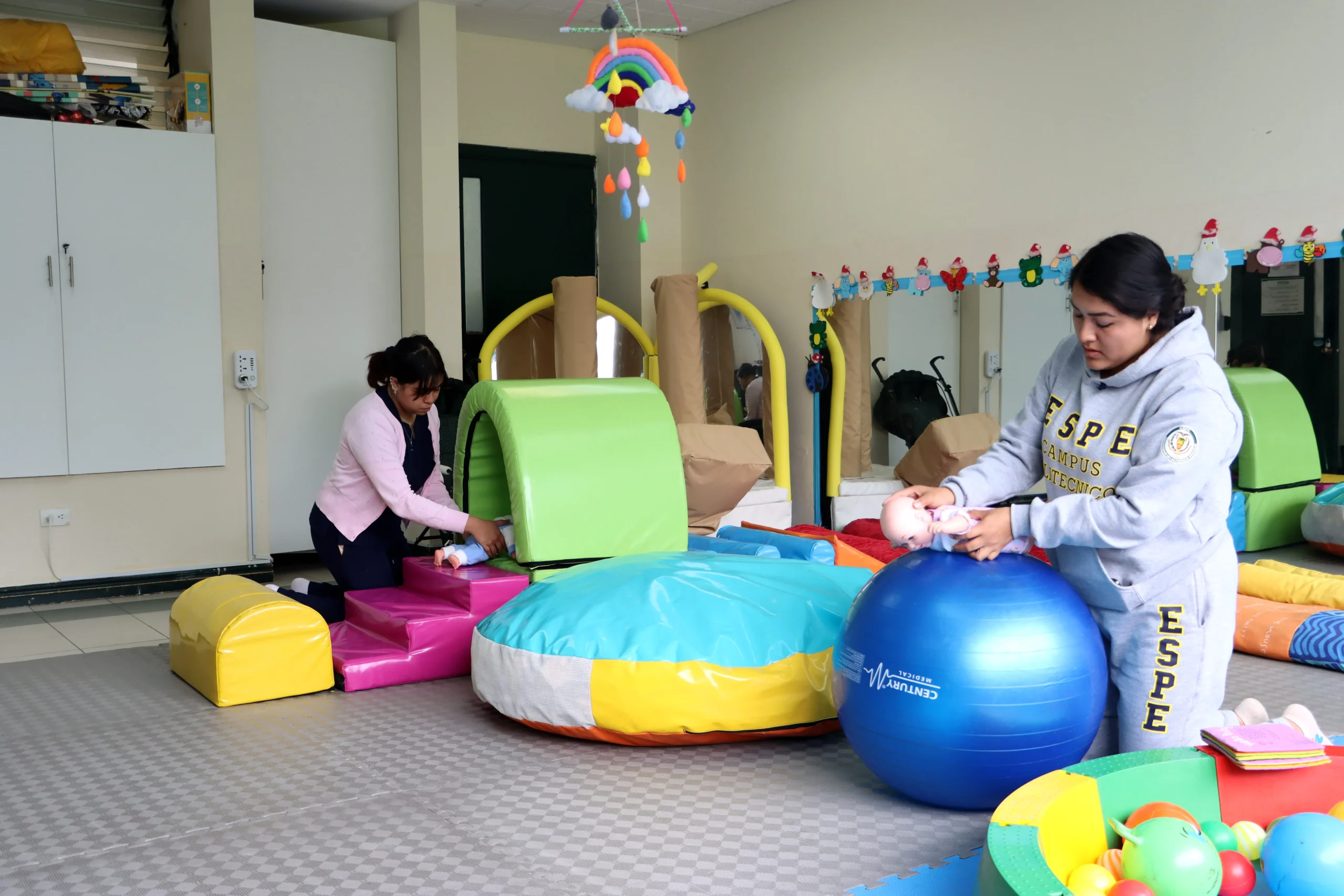
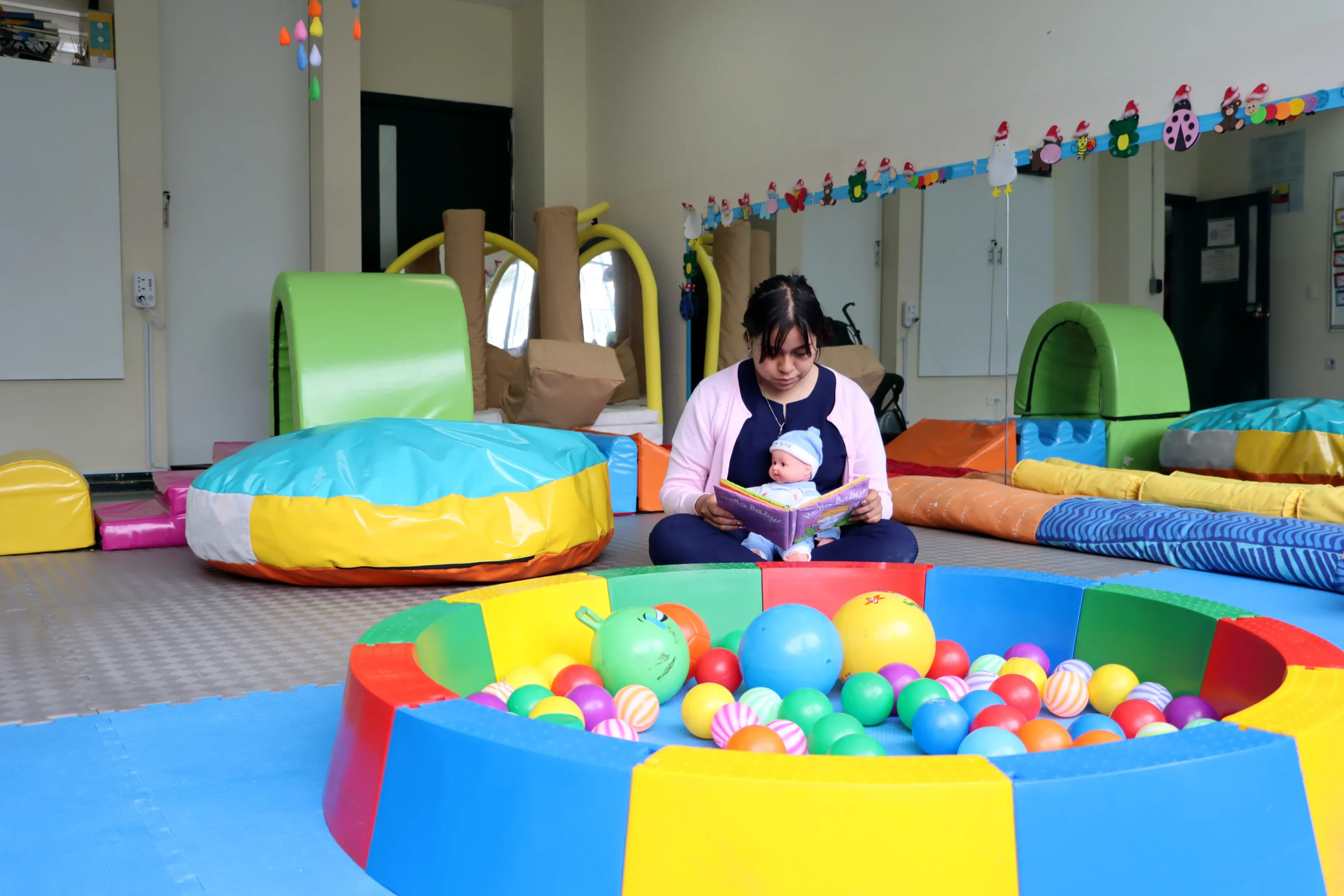
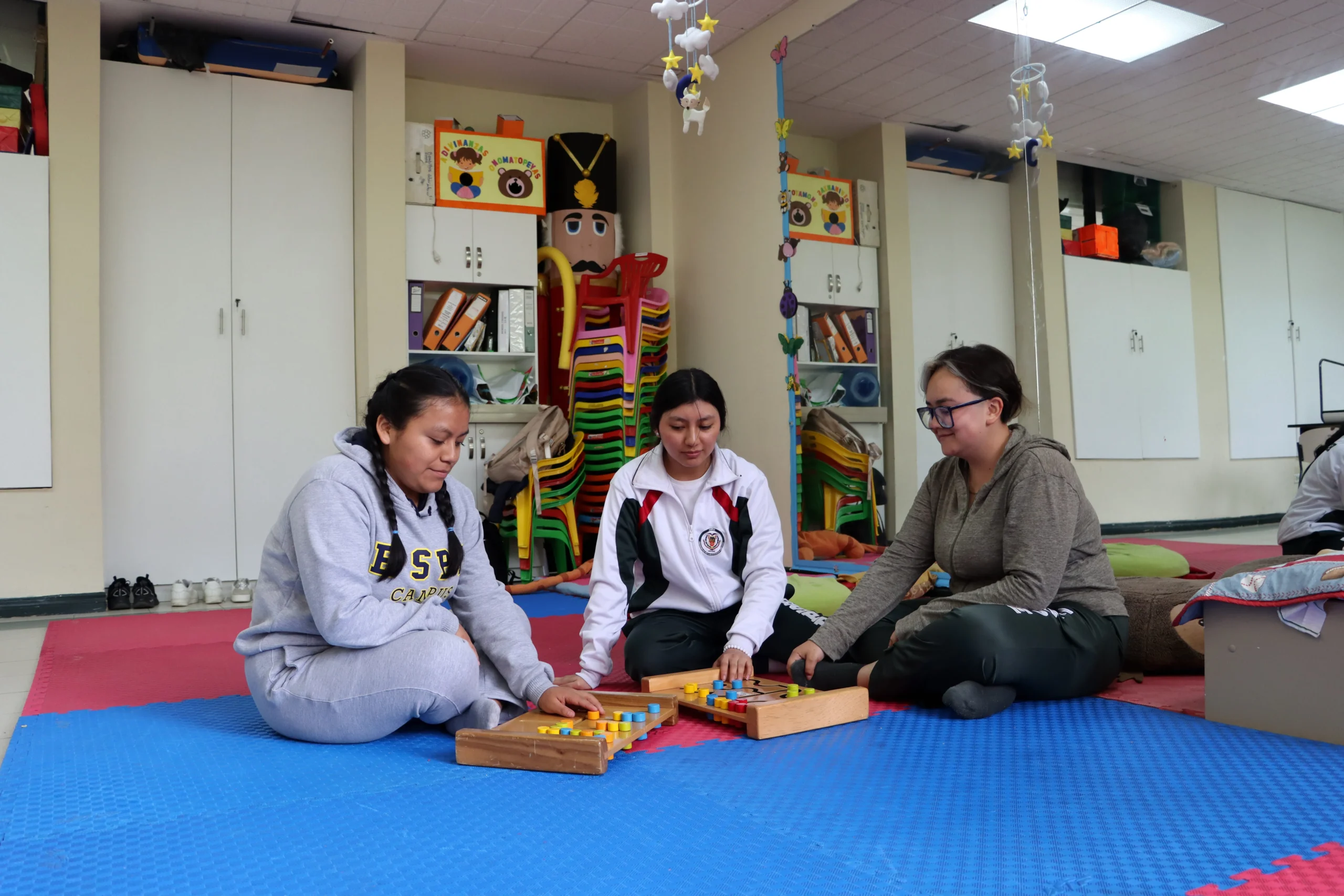
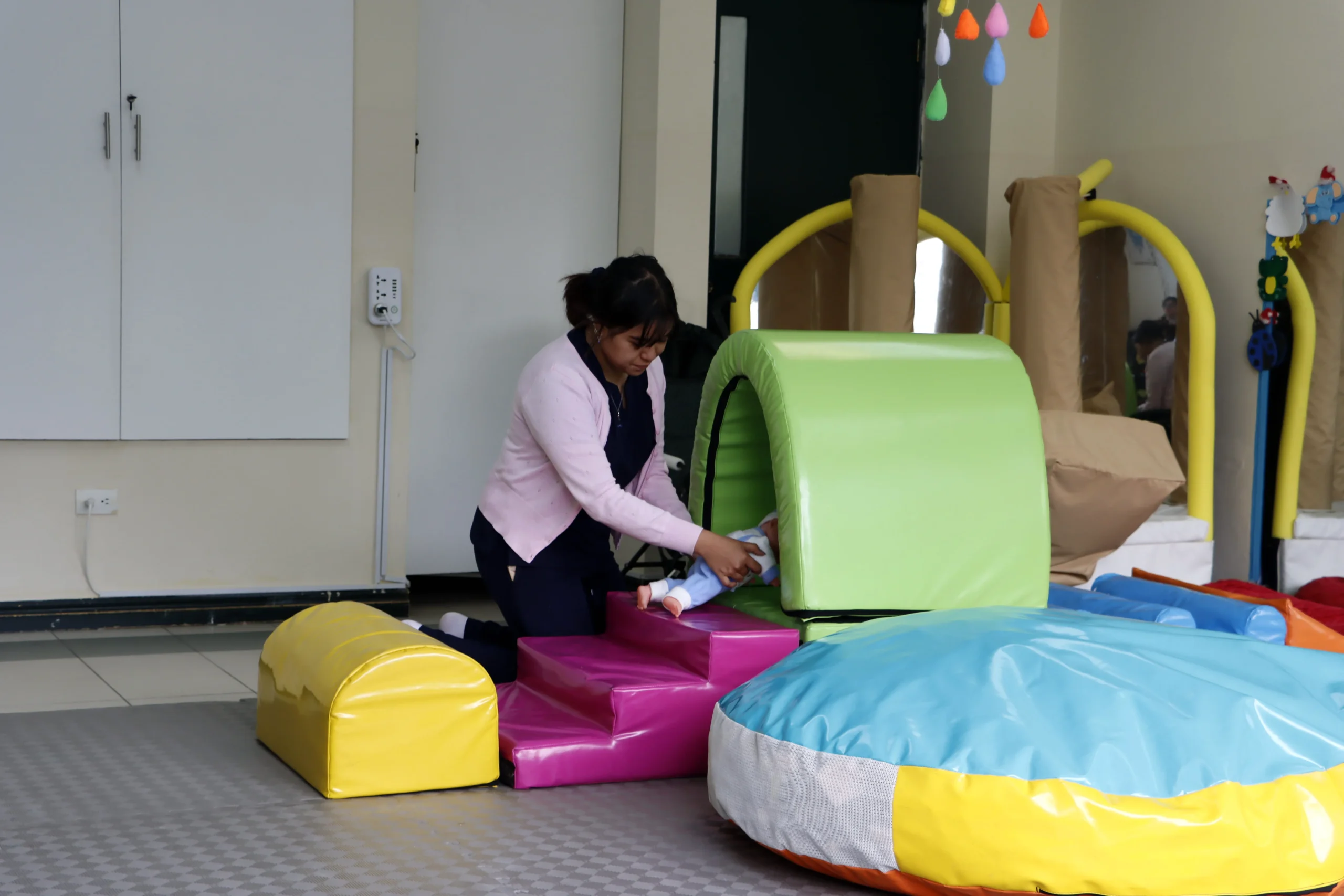
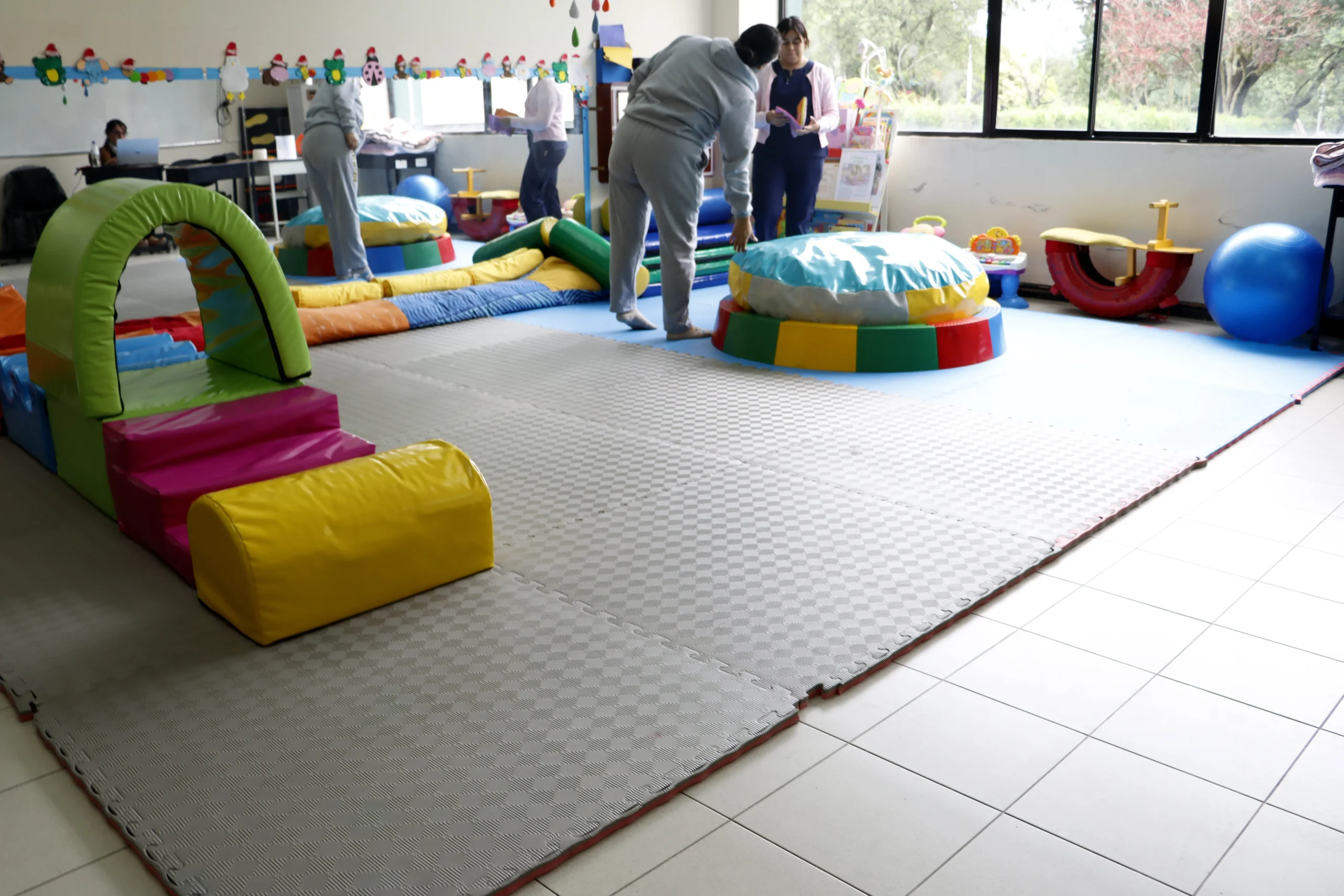
In the professional training of graduates holding a Bachelor’s Degree in Early Childhood Education within the field of Educational Sciences, their work environment comprises the settings in which future professionals of the Early Childhood Education program will be employed. These settings may include:

  • Child Development Centers for Good Living (CIBV)
  • Growing with Our Children (CNH),
  • Child Development Centers (CDI),
  • Educational Units in the First Year of Basic Education – Preparatory Level
  • Reception Institutions for Early Childhood Care
  • Municipal Early Childhood Education Centers

  • Early Stimulation Centers
  • Play Centers (Ludotecas) – Hospital Educational Intervention
  • Demand for competencies in Early Childhood Education in areas such as advisory services for didactic materials, educational books, and learning environments.
  • Public and private health centers that provide care to pregnant women, for the development of prenatal education, parent education programs in educational institutions, foundations or NGOs, and educational institutions that support adolescent mother

What learning outcomes or achievements will enable the development of the capacities and attitudes of future professionals to strengthen their values related to relevance, bio-consciousness, responsible participation, honesty, and others?

-Develops values, attitudes, and qualities for Good Living that promote ethics and civic responsibility throughout the professional trajectory.

-Manages diverse professional fields and environments in an innovative manner, incorporating social entrepreneurship within the domain of educational knowledge.

– Development of sensitivity and critical analysis in response to works of art or artistic phenomena in auditory and visual manifestations.

– Applies leadership from a contextualized perspective.

– Critically analyzes the profession’s deontological protocols.

– Values professional education and practice as the foundation of their life plan.

-Recognizes and values early childhood education from the ancestral cultures of Zones 2 and 9.

Applies, in a relevant manner, the foundational principles of Early Childhood Education public policies within institutional, family, and community contexts.

Analyzes principles of child development to provide a theoretical foundation, based on theories, models, and paradigms of the teaching–learning process within socio-educational systems.

Integrates sociological, anthropological, psychopedagogical, and neurocognitive theories into the development and management of pedagogical models.

Designs, manages, and evaluates contextualized and inclusive curricular models, integrating media convergence for educational purposes in early childhood education.

Organizes and manages inclusive and collaborative learning communities, relevant to their context, that generate opportunities for the development of intercultural and democratic learning environments.

Uses communication resources and ICT to expand sources of information and socio-educational interactions in the creation of open, democratic, intercultural, and inclusive learning environments.

Organizes, interprets, constructs, and evaluates knowledge in a critical, creative, and integrated manner, oriented toward practice and metacognition.

Leads educational processes through engagement with the issues of individuals, systems, processes, and learning contexts that constitute the object of pedagogical knowledge.

Designs, plans, implements, and evaluates contextualized, flexible educational programs and projects adapted to the learning needs of educational subjects.

Organizes, interprets, constructs, and evaluates knowledge in a critical, creative, and integrated manner, oriented toward practice and metacognition.

Operationalizes the policies, laws, and regulations governing early childhood care and education established by the Ecuadorian State.

Analyzes the historicity of education, highlighting national and international pedagogical thought.

Systematizes procedures and techniques in the use of language for aesthetic, persuasive, and communicative purposes.

Develops processes of analysis, systems, and logic through electronic intelligence applied to the enhancement of teaching thinking.e.

Identifies alternative modalities for the use of technology in the evaluation and research of early childhood educational software and for educational needs.

Develops statistical thinking through the use of strategies and the interpretation of statistical representations, with argumentative capacity for problem-solving.

Demonstrates an entrepreneurial and innovative attitude.

Conducts a geopolitical assessment of the global and national context.

Diagnoses, understands, and intervenes through proposals and research in socio-educational phenomena, processes, and systems.

Designs, plans, implements, and evaluates contextualized, flexible educational programs and projects adapted to the learning needs of educational subjects.

Applies action research in the processes of diagnosis, design, planning, implementation, evaluation, and systematization of educational reality.

Curriculum Structure

Academic structure of the program

Current Curriculum

Gallery Gallery

Spaces, moments, and experiences that bring the program to life

Admissions and costs

Spaces, moments, and experiences that bring the program to life

Acreditacion Chile

CES Resolution

RPC-SO-15-No 309-2020

Program Code

ISOF-SQ-2023

Accreditation

In process

Application Dates

March – April 2025 / August – September 2025

Program cost:

Article 356 of the Constitution of the Republic establishes, among other principles, that third-level public higher education shall be tuition-free, and that this gratuity is linked to the academic responsibility of students.

Begin your path in

Early Childhood Education

Join Universidad de las Fuerzas Armadas ESPE and become part of an

academic community of excellence with international reach.

DEGREE

Online Tourism

Select a campus

DEGREE

Bachelor’s Degree in Tourism

CES Resolution

RPC-SO-35-No-596-2023

DURATION

4 Years

MODALITY

Online

Academic Identity

Learn about the foundations of the program

To educate outstanding professionals capable of effectively managing and addressing the challenges of sustainable tourism development, with awareness of global processes and the resulting intercultural integration, grounded in humanistic, ethical, and moral values committed to society, articulating the public and private sectors to position the country as a destination of excellence.

To be leaders at the national and Latin American levels in the comprehensive training of professionals in tourism management, contributing to the new demands of the global environment through research and innovation, within the parameters of ethical sustainability and governance.

To train tourism professionals with a strong personal and ethical identity, capable of integrating theoretical, methodological, and technological knowledge for the management, research, and innovation of tourism activities, promoting sustainable development, interculturality, and respect for ancestral knowledge, with a critical perspective, leadership, and social commitment in local, national, and international contexts.

Strengthen the implementation of sustainable tourism activities: Develop competencies to plan, organize, and deliver tourism services, ensuring professional practice aligned with current trends.

Optimize the operation of tourism services: Implement management tools that contribute to the effective delivery of tourism services.

Design and innovate contextualized tourism proposals: Develop innovative tourism products and projects, aligned with the territorial context and sociocultural dynamics, that contribute to local development through the participation of sector stakeholders.

Promote ethical, inclusive, and sustainable tourism management: Integrate cultural, social, economic, and environmental diversity into decision-making, developing sustainable tourism projects based on research, critical thinking, leadership, and commitment to the responsible development of the sector.

Program video

Experience studying Tourism

Discover daily life in our classrooms, laboratories, and academic spaces. Students, faculty, and researchers share their stories.

Learn about the foundations of the program

Profiles and outcomes

The professional we train and the competencies you will develop

The tourism professional is trained to plan, organize, direct, and evaluate tourism projects and services, promoting the responsible use of natural, cultural, and heritage resources, with the aim of fostering local, regional, and national development. They possess a strong ethical, analytical, and critical foundation, enabling them to design and manage innovative tourism products, as well as administer companies and/or organizations within the tourism sector with criteria of quality, competitiveness, and sustainability.

Based on their capacities, attitudes, and values:
Strengthens their personal and professional identity and cultivates self-esteem; develops critical thinking, deductive reasoning, and the use of analogies, thereby shaping cognitive structures and affective development.
– Applies ethical, spiritual, and humanistic principles, inclusive of diverse worldviews, diversity of abilities, and interculturality
-Respects knowledge within the ancestral and sustainable tourism context of different regions.
– Critically embraces historical changes and fosters openness to the new, the creative, and the diverse.
– Complies with the regulations established within the national and international legal framework governing tourism activities.
Operates within multidisciplinary teams with assertive communication, engaged in negotiation and conflict management to resolve problems in the tourism field.
– Manages tourism activities with ethics, leadership, responsibility, and quality.
Based on the theories, conceptual systems, methods, and languages for the integration of knowledge, the profession, and research:
-Organizes and integrates knowledge, identifying updated and specialized concepts and theories within their field of training. Possesses a general culture pertinent to their profession, including the use of ICTs and the application of information-gathering techniques for research.
-Develops, analyzes, and evaluates the quality of resources, services, ecosystems, and their components through applied research processes in tourism activities.
-Possesses knowledge of the social, cultural, economic, and political aspects of the community, enabling the management of innovative public–private projects for destination development.
– Applies principles of sustainability in sensitive natural areas through environmental interpretation and education; recognizes, respects, and values ancestral knowledge and the country’s heritage richness, and acknowledges their own identity.
– Understands the components of the tourism system through observation and characterizes tourism systems using techniques in tourism operations, management, entrepreneurship, and research, in compliance with sustainability standards.
-Identifies opportunities and shortcomings in tourism activity through characterization and diagnosis using technological tools, while respecting sustainability standards.
– Demonstrates skills and capacities for information management, research, and intervention in processes of tourism operations, management, and research.
– Integrates ancestral knowledge, interculturality, and gender equity of peoples in relation to different technological applications.
-Uses logical, critical, and creative thinking for the understanding, explanation, integration, and communication of knowledge within tourism.
-Undertakes entrepreneurship and innovation across diverse scenarios of tourism activity.
– Communicates, through a thesis, ethnography, or comprehensive examination, the design, development, and evaluation of a tourism management process or the creation of tourism products within the framework of sustainability.
– Systematically applies national and/or international policies, enabling them to manage global tourism trends.

In relation to the management of professional and research models, protocols, processes, and procedures:
Resolves problems arising within tourism operations through knowledge of the tourism potential of areas of influence; implements administrative and operational processes to ensure quality in the tourism system.
– Contributes to the development of new sustainable public policies with ethics and commitment, for the implementation of strategic tourism events and projects that support the positioning of the country’s tourist destinations.

1. Execute tourism activities considering criteria of quality, safety, and sustainability, in a planned, systematic, and reflective manner

2. Implement techniques and procedures for the operation of tourism services, ensuring efficiency, effectiveness, and regulatory compliance in their delivery.

3. Design innovative tourism proposals aligned with the territorial context that contribute to local development and can be implemented with tourism stakeholders.

4. Value economic, cultural, social, and environmental diversity in the tourism context, integrating ethical principles and sector knowledge for inclusive and responsible decision-making.

5. Develop sustainable tourism projects that respond to the real needs of the environment, integrating knowledge of planning, management, innovation, and sustainability; applying research and critical thinking to propose creative and viable solutions, with leadership, professional ethics, and commitment to the responsible development of tourism.

Curriculum Structure

Academic structure of the program

Current Curriculum

Non-Current Curriculum

Gallery Gallery

Spaces, moments, and experiences that bring the program to life

Admissions and costs

Spaces, moments, and experiences that bring the program to life

ACBSP Photoroom Accreditation

CES Resolution

RPC-SO-15-No 309-2020

Program Code

ISOF-SQ-2023

Accreditation

In process

Application Dates

March – April 2025 / August – September 2025

Program cost:

Article 356 of the Constitution of the Republic establishes, among other principles, that third-level public higher education shall be tuition-free, and that this gratuity is linked to the academic responsibility of students.

Begin your path in

Turism

Join Universidad de las Fuerzas Armadas ESPE and become part of an

academic community of excellence with international reach.

DEGREE

Economy

Select a campus

DEGREE

Economist

CES Resolution

RPC-SO-35-No.596-2023

DURATION

4 Years

MODALITY

Online

Academic Identity

Learn about the foundations of the program

To provide society with economic professionals trained through the use of modern educational tools, committed to the social and productive development of the country and capable of finding scientific solutions to current economic problems.

By 2030, to be the leading Online Economics degree in Ecuador, a benchmark for managing knowledge and technology, training ethical and competent economists, with national and international prestige and commitment to service to society.

The professionals of the Economics career of the University of the Armed Forces -ESPE are trained in excellence and ethics, who have been prepared in the knowledge and theoretical skills to analyze, explain, investigate and synthesize current socioeconomic problems, through the construction of socioeconomic models and applying mathematical, statistical, methodological and computer instruments. in order to understand society and the interaction of its actors.

Program video

Live the experience of studying Economics

Discover daily life in our classrooms, laboratories, and academic spaces. Students, faculty, and researchers share their stories.

Learn about the foundations of the program

Profiles and outcomes

The professional we train and the competencies you will develop

Graduates in Economics from the University of the Armed Forces (ESPE) will be able to fully practice their profession in five specific areas:

● In the public sector as a designer, evaluator or analyst of public policies or investment projects or social projects, through the application of theoretical and practical tools for the analysis of qualitative and quantitative data. As well as in institutions for the generation of statistical information and national accounts.

● In the private sector as a business advisor on economic and market issues, both national and international, investment decision-making and productive structure for the maximization of benefits and cost reduction.

● In the Popular and Solidarity Economy sector as a manager of projects for the development, strengthening and insertion of organizations in this sector based on the principles of solidarity and cooperativism.

● In non-governmental organizations as a consultant for social projects operating in the country under the framework of international cooperation and support for the development of vulnerable sectors in the different regions of the country.

In the field of research and higher education that promotes the application of new economic trends and practices in issues related to the environment for the sustainable development of the economy; food sovereignty practices and the strengthening of intellectual capital.

It highlights the importance of promoting universal values, such as justice, equity, and social inclusion, to achieve meaningful personal growth. In addition, the need to apply the principles, rights and guarantees of citizenship established in the Constitution of the Republic is emphasized. Dignity, freedom and respect for cultural and ethnic diversity are valued, recognizing their relevance in society. Likewise, emphasis is placed on the importance of acting with social responsibility, considering ethical and economic aspects, and focusing on human well-being.

It highlights the need to understand and adapt to social and political changes affecting economic institutions and organizations. In addition, the importance of having leadership skills to motivate others and achieve work objectives successfully is highlighted. The importance of mastering the theoretical foundations and laws that govern the economic sciences is mentioned, which allows a descriptive understanding of the socioeconomic reality in its structure and functioning. It also highlights the importance of identifying paradigmatic shifts and relevant trends in the environment in order to develop a forward-looking view of the world and the profession.

The ability to interpret and analyze the methodology of Political Economy to propose, design, execute and evaluate economic and social policies is highlighted. The importance of innovation and the ability to adapt to a competitive environment for the development of a country or organization is recognized. In addition, it is emphasized that knowledge and information management are the true sources of wealth in nations and are applied in the companies and organizations of the new economy. Mention is made of effective professional communication, teamwork, the use of computer and mathematical tools, as well as the investigation of the economic reality to propose pertinent solutions to social and economic problems.

In summary, the importance of promoting universal values, adapting to social and political changes, mastering the theoretical and methodological foundations of economics, interpreting and analyzing the methodology of Political Economy, and applying knowledge in the development of economic and social policies is emphasized. It also highlights the need for leadership, effective communication, teamwork, use of computer and mathematical tools, research and analysis of the economic reality to address current economic and social challenges.

Critically analyze economic situations with intermediate micro and macroeconomic models, considering their assumptions and limitations, and evaluating their usefulness for interpreting market dynamics and economic policy decisions.

Integrate econometric tools, strategic game theory models, accounting structures, and institutional approaches to analyze complex economic phenomena and inform decisions in real contexts.

Analyze relationships between institutions, economic decisions, and market structures, applying advanced quantitative methods to interpret evidence and inform public and private decisions.

Analyze, apply, and evaluate economic policies using econometric tools, macroeconomic models, and development approaches to interpret evidence and support economic policy decisions aimed at growth, equity, and stability.

Evaluate innovative, social, solidarity-based and territorial economic models in global environments, applying critical approaches to propose sustainable solutions aimed at equitable development.

Curriculum Structure

Academic structure of the program

Current Curriculum

Gallery Gallery

Spaces, moments, and experiences that bring the program to life

Admissions and costs

Spaces, moments, and experiences that bring the program to life

ACBSP Photoroom Accreditation

CES Resolution

RPC-SO-15-No 309-2020

Program Code

ISOF-SQ-2023

Accreditation

In process

Application Dates

March – April 2025 / August – September 2025

Program cost:

Article 356 of the Constitution of the Republic establishes, among other principles, that third-level public higher education shall be tuition-free, and that this gratuity is linked to the academic responsibility of students.

Begin your path in

Economy

Join Universidad de las Fuerzas Armadas ESPE and become part of an

academic community of excellence with international reach.

DUAL TRAINING

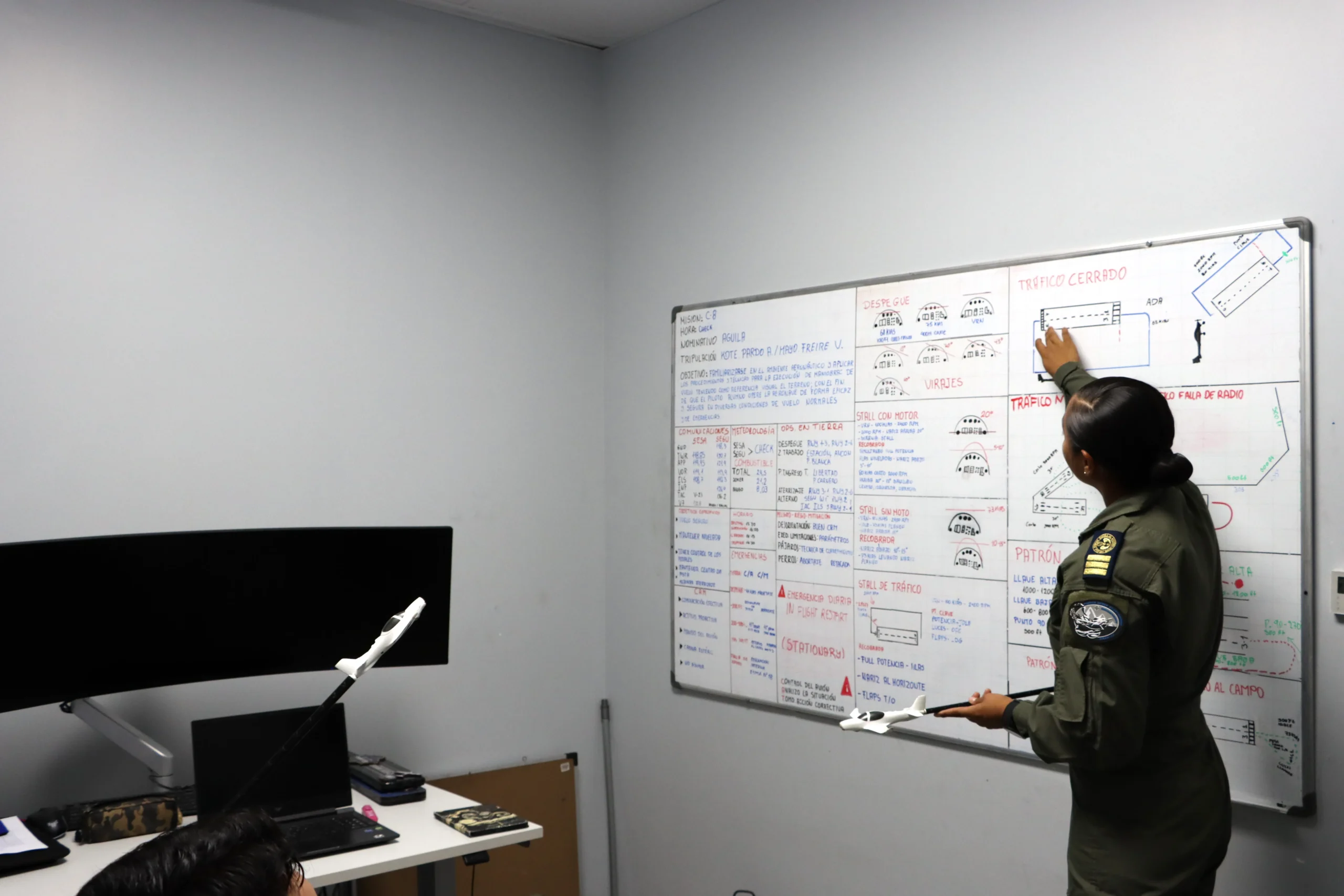
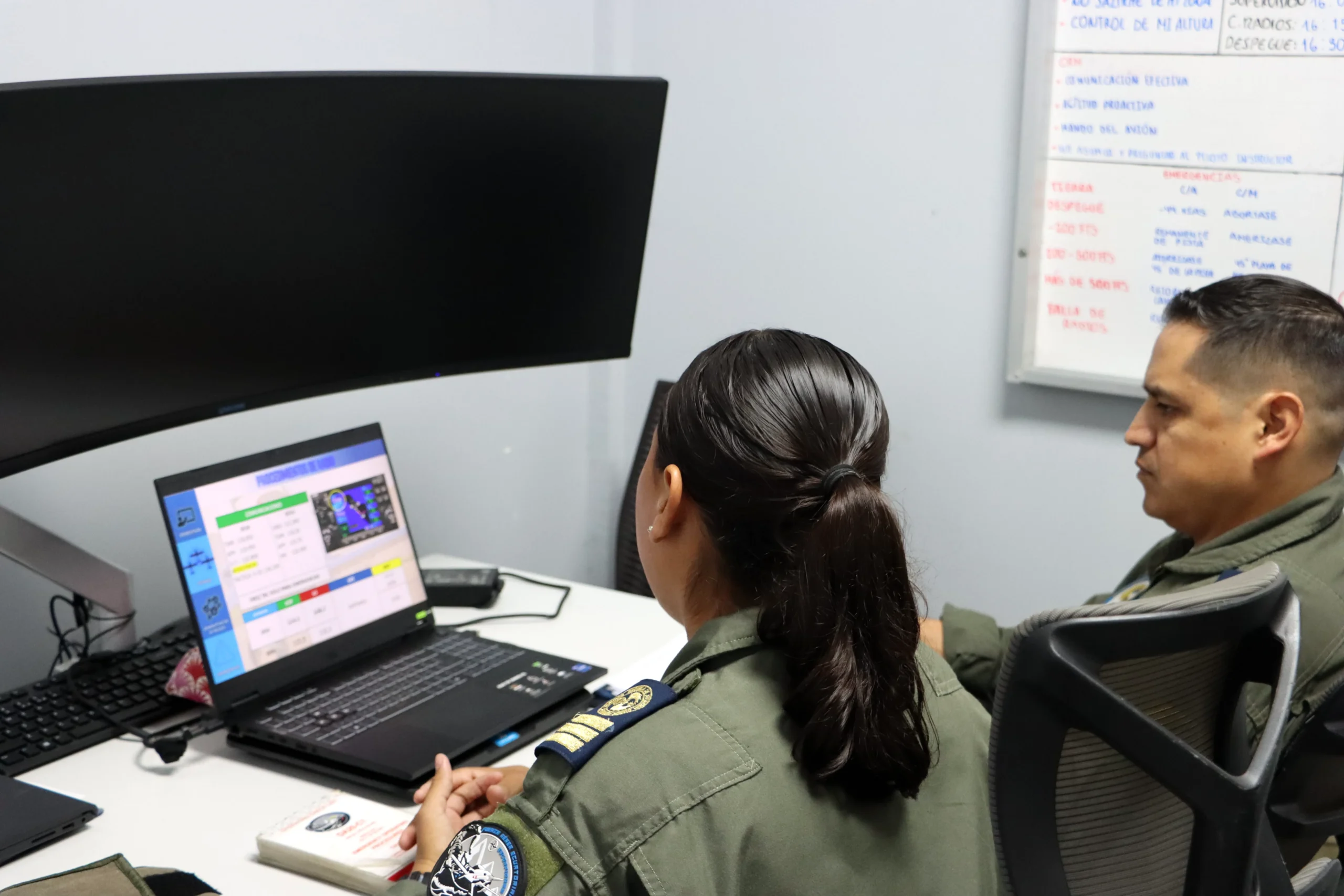
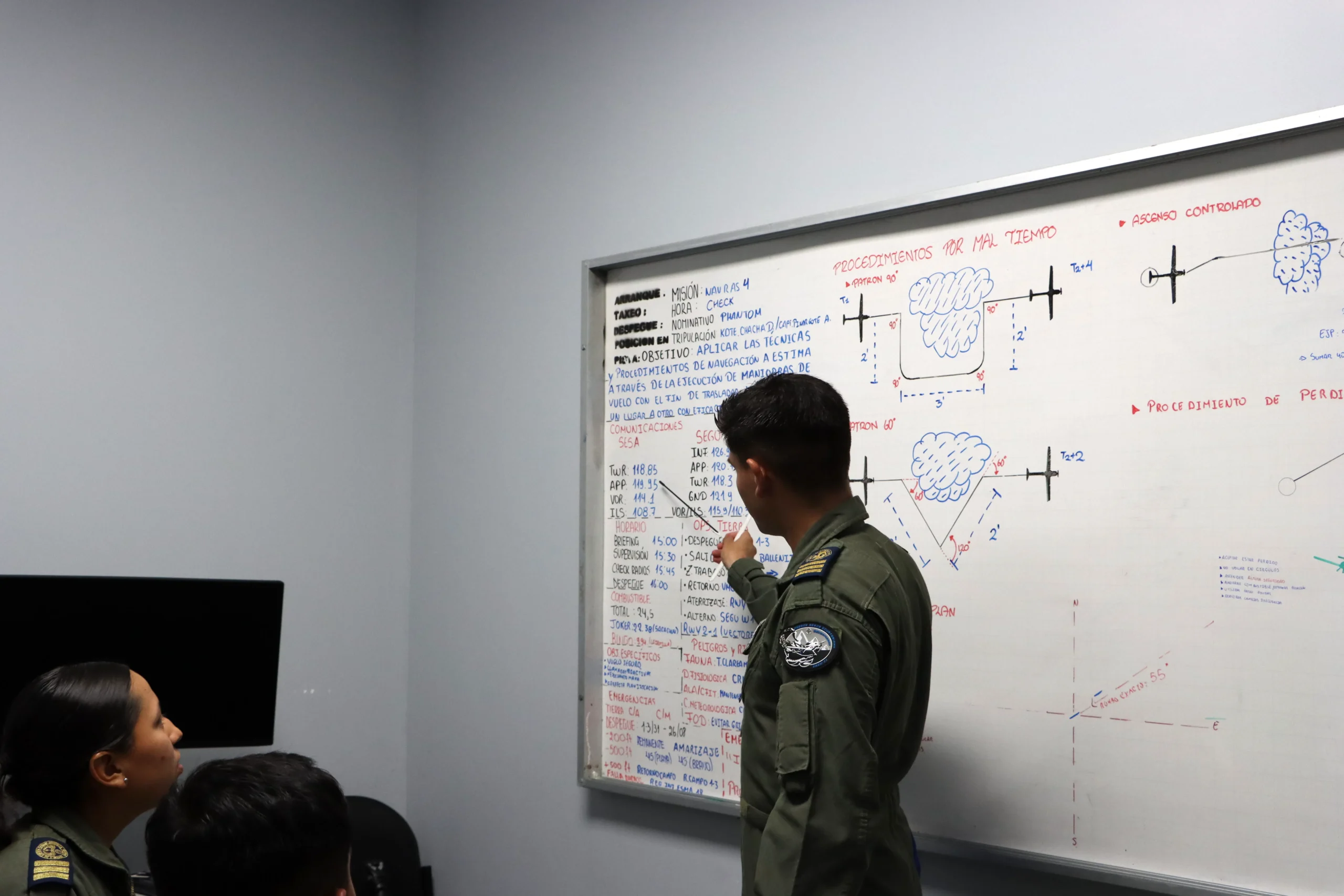
Aeronautical Sciences

Select a campus

DEGREE

Bachelor of Military Aeronautical Sciences

CES Resolution

RPC-SO-15-No.309-2020

DURATION

4 Years

MODALITY

Dual

Academic Identity

Learn about the foundations of the program

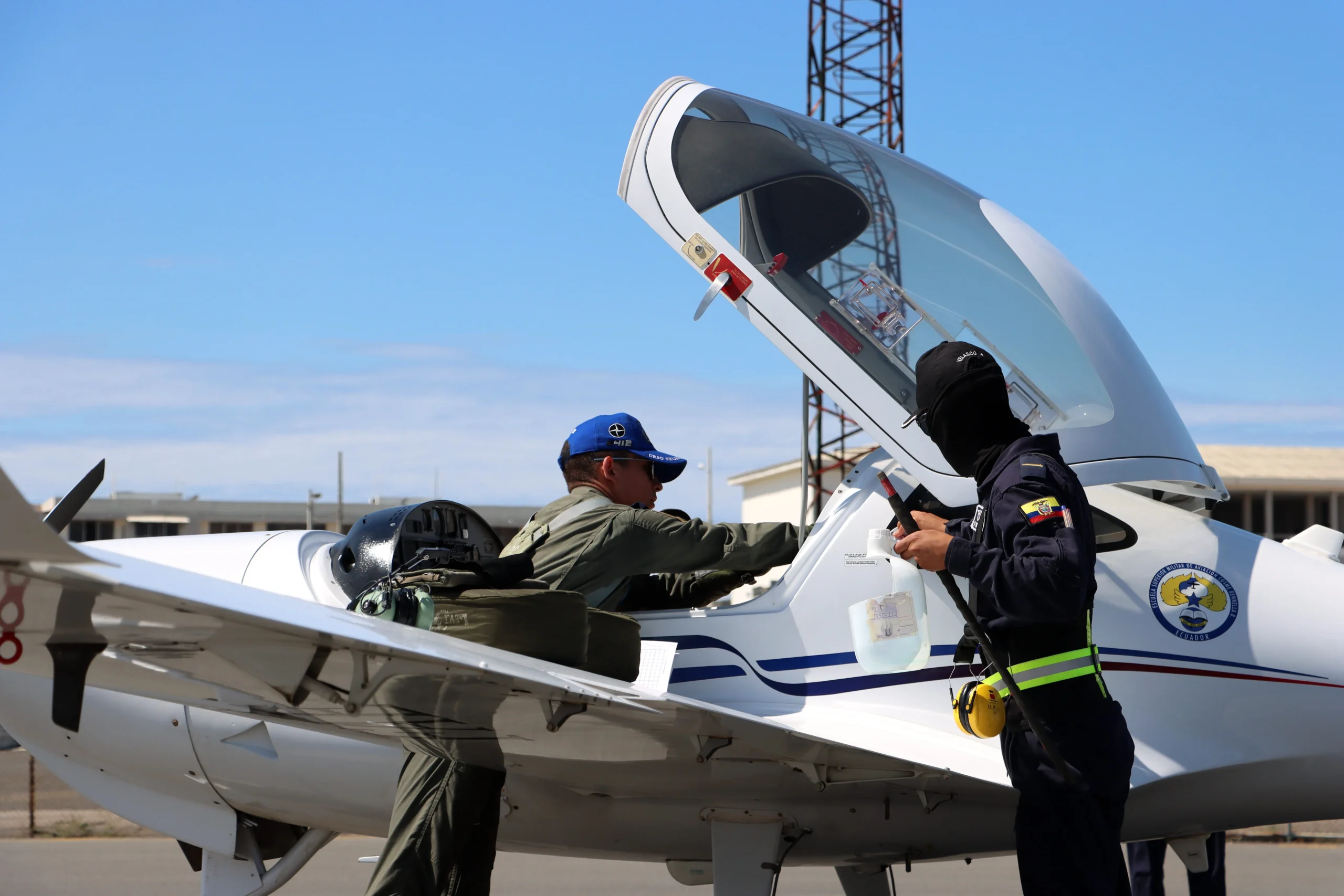
To train military professionals for the Ecuadorian Air Force, highly qualified in the itineraries of Military Pilot and Military Aeronautical Technician, with a solid academic preparation in aeronautical sciences, military ethics and leadership, committed to the military institution; with professional, operational and technical skills, through rigorous and disciplined instruction, with the aim of guaranteeing the security and defense of the airspace and the sovereignty of Ecuador.

To be, by 2030, a benchmark academic career in the region, recognized for excellence in the training of aeronautical military leaders. Graduating officers will be noted for their professionalism, operational capability, ethical responsibility, and commitment to national security and defense, and peace. The program seeks to be at the forefront of technology and doctrine, integrating innovations in the field of aeronautics to face contemporary challenges and threats to national security and defense.

Develops habits of adaptation to the internal regime and language of military communication, leading teams with strict adherence to legal norms, military discipline and maintaining respect for the members of the group. In addition, it develops subordination and awareness of military discipline, respecting fundamental, institutional and personal values. Future professionals make critical judgments regarding values and attitudes in the face of social, personal and relational problems and conflicts, and show respect for the environment, nature, Human Rights, International Humanitarian Law, gender equality and interculturality.

To train professionals with technical and ethical competencies in software development.

Promote research and innovation in information technologies.

Strengthen links with the productive sector and the community.

To guarantee the continuous improvement of academic processes.

Program video

Experience what it’s like to study Merchant Marine Officer

Discover daily life in our classrooms, laboratories, and academic spaces. Students, faculty, and researchers share their stories.

Learn about the foundations of the program

Profiles and outcomes

The professional we train and the competencies you will develop

Their training allows them to work with professionals (engineers and technicians) in aeronautics and space, as well as with professionals from other disciplines eventually involved in their activity (avionics, civil constructions, mechanics, electricity, electronics, IT, etc.). It may also act by providing aeronautical services autonomously.

The Bachelor’s Degree in Military Aeronautical Sciences is trained to work in the areas of: technical office, training management, maintenance, workshop, laboratories, planning and engineering, operations, certifications, inspections, arbitrations, and technical representation, and quality, acting in a relationship of dependence or independently in different phases of the production processes of the aeronautical industry, in service companies, and in aeronautical infrastructure.

Develops habits of adaptation to the internal regime and language of military communication, leading teams with strict adherence to legal norms, military discipline and maintaining respect for the members of the group. In addition, it develops subordination and awareness of military discipline, respecting fundamental, institutional and personal values. Future professionals make critical judgments regarding values and attitudes in the face of social, personal and relational problems and conflicts, and show respect for the environment, nature, Human Rights, International Humanitarian Law, gender equality and interculturality.

Performs activities in any military unit of the Air Force at the tactical level according to its classification. It manages essential information to determine combat support capabilities, and applies probabilistic calculation to reduce levels of insecurity in air operations. The military professional also integrates and analyzes information for planning and appropriate decision-making in tactical employment, as well as applies the fundamentals of the use of air power in military operations of external, internal, multinational defense and integral security of the State in accordance with the aerospace doctrine. It has the capacity to execute military planning and use the security and ground defense systems of Air Bases and participate in the development of military external-internal defense operations.

It recognizes the physical and chemical principles to explore the limits of the national aerospace dimension, develops critical and abstract thinking through mathematical and philosophical analysis of the context in which the military profession develops, and transparently manages the resources assigned to tactical units. Conduct research to meet cognitive needs and manage information securely. Processes information to obtain logical conclusions and propose viable solutions, solving problems with a critical sense and proposing ethical alternatives, which allow them to exercise command and leadership, as well as the management of resources. The two pathways develop the ability to transfer knowledge through instruction.

On Itinerary I, pilot a fixed-wing aircraft in strict compliance with the flight manual. Performs performance calculations for maneuvers during flight operations.

In Itinerary II, according to its specialty (personnel, supplies, air armament, air infantry, intelligence, air defense, electronics, maintenance, computing, communications) it will be able to calculate the provisions of armament, fuel, personnel management, aeronautical communications according to international standards, in addition, it provides security to the aeronautical infrastructure.

Management of military models, protocols, processes and procedures. Performs activities in any military unit of the Air Force at the tactical level according to its classification. It manages essential information to determine combat support capabilities, and applies probabilistic calculation to reduce levels of insecurity in air operations. The military professional also integrates and analyzes information for planning and appropriate decision-making in tactical employment, as well as applies the fundamentals of the use of air power in military operations of external, internal, multinational defense and integral security of the State in accordance with the aerospace doctrine. It has the capacity to execute military planning and use the security and ground defense systems of Air Bases and participate in the development of military external-internal defense operations.

Cognitive abilities and generic competencies. It recognizes the physical and chemical principles to explore the limits of the national aerospace dimension, develops critical and abstract thinking through mathematical and philosophical analysis of the context in which the military profession develops, and transparently manages the resources assigned to tactical units. Conduct research to meet cognitive needs and manage information securely. Processes information to obtain logical conclusions and propose viable solutions, solving problems with a critical sense and proposing ethical alternatives, which allow them to exercise command and leadership, as well as the management of resources. The two pathways develop the ability to transfer knowledge through instruction.

Specific mastery of theories, conceptual systems and methods in professional performance. On Itinerary I, pilot a fixed-wing aircraft in strict compliance with the flight manual. Performs performance calculations for maneuvers during flight operations.

In Itinerary II, according to its specialty (personnel, supplies, air armament, air infantry, intelligence, air defense, electronics, maintenance, computing, communications) it will be able to calculate the provisions of armament, fuel, personnel management, aeronautical communications according to international standards, in addition, it provides security to the aeronautical infrastructure.

Curriculum Structure

Academic structure of the program

Current Curriculum

Curriculum 2019 (No Longer in Force)

Program Teachers

Meet those who will guide you

Gallery Gallery

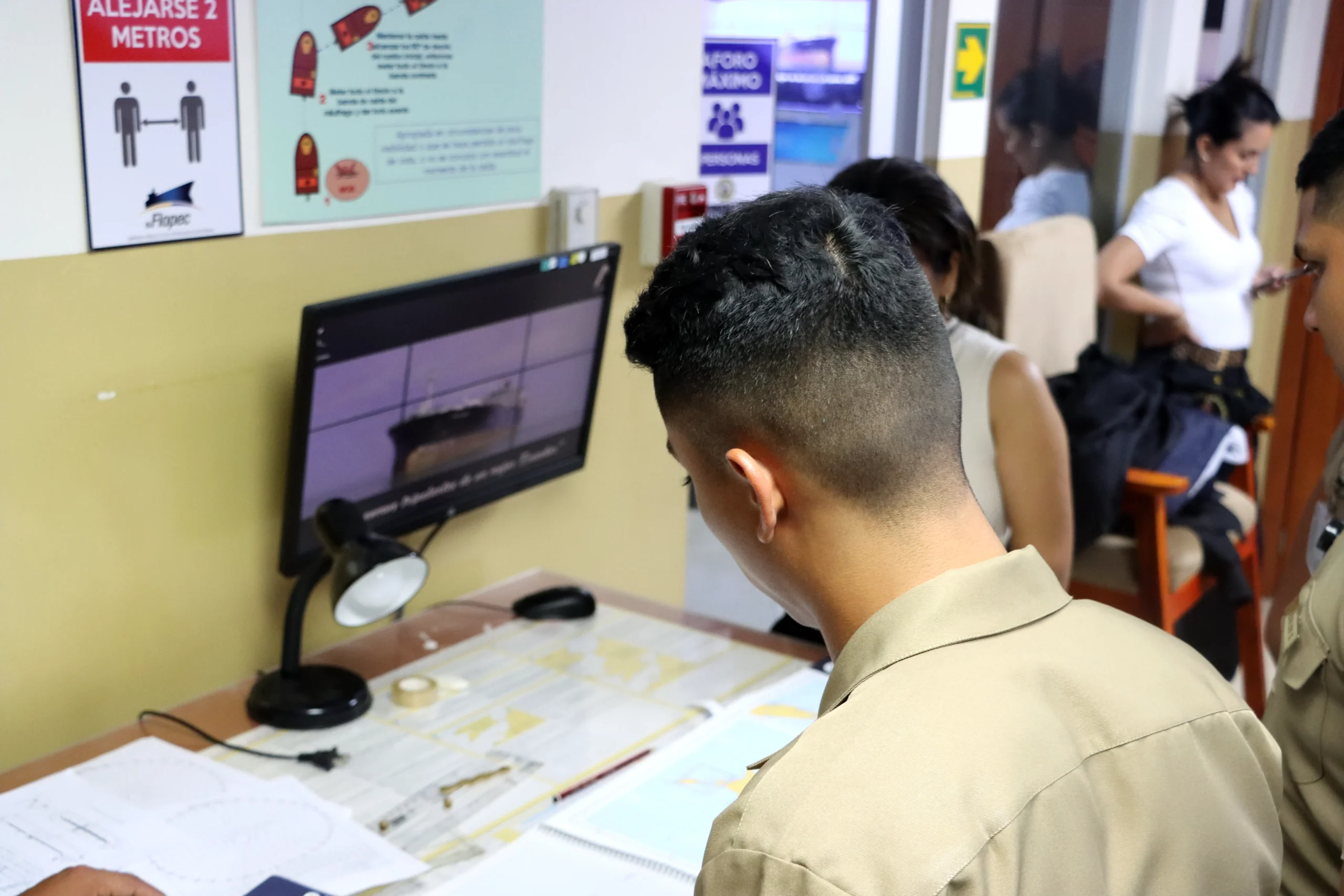
Spaces, moments, and experiences that bring the program to life
Admissions and costs

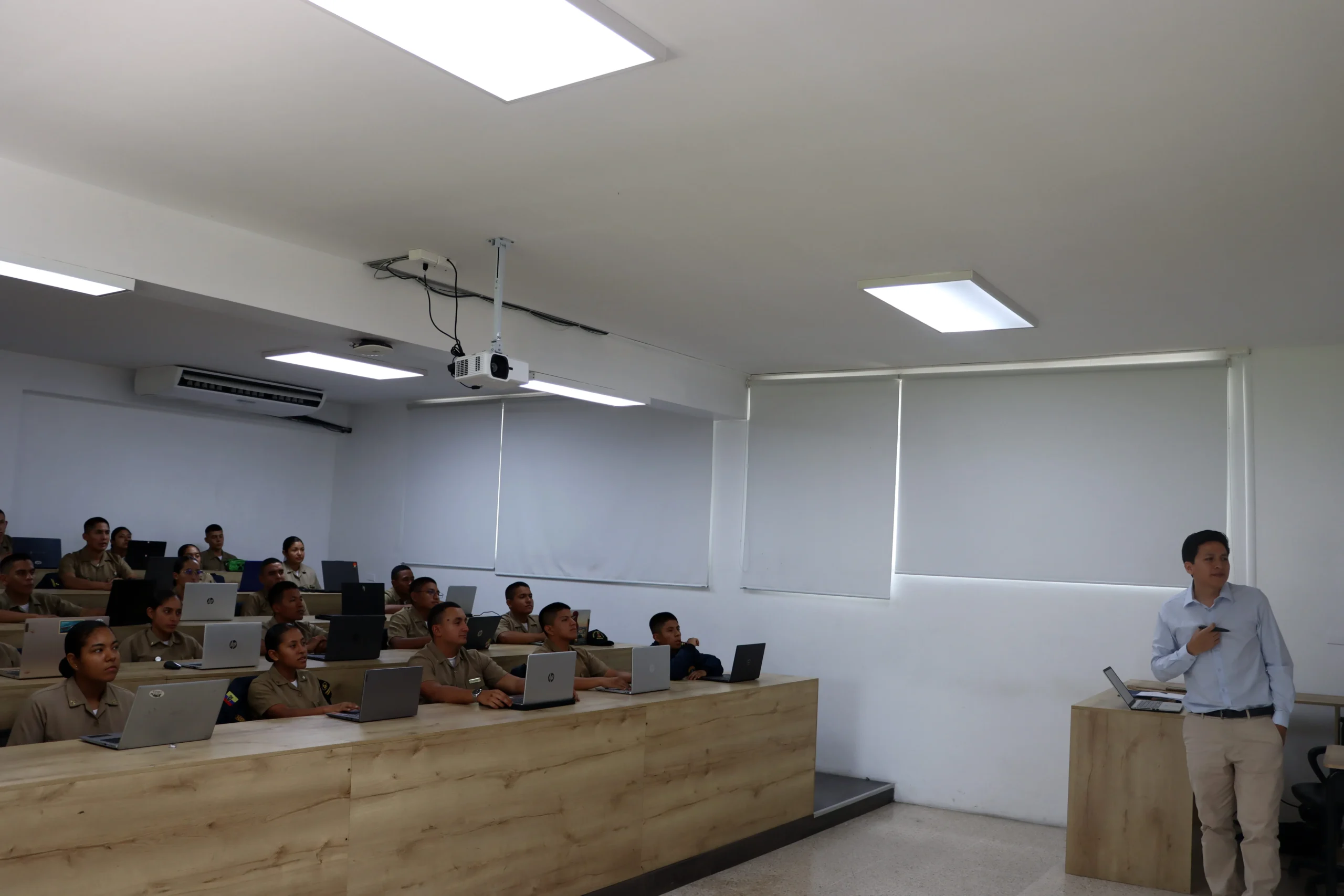
Spaces, moments, and experiences that bring the program to life
Acreditacion Chile

CES Resolution

RPC-SO-15-No 309-2020

Program Code

ISOF-SQ-2023

Accreditation

In process

Application Dates

March – April 2025 / August – September 2025

Program cost:

Article 356 of the Constitution of the Republic establishes, among other principles, that third-level public higher education shall be tuition-free, and that this gratuity is linked to the academic responsibility of students.

Begin your path in

Aeronautical Sciences

Join Universidad de las Fuerzas Armadas ESPE and become part of an

academic community of excellence with international reach.

DUAL TRAINING

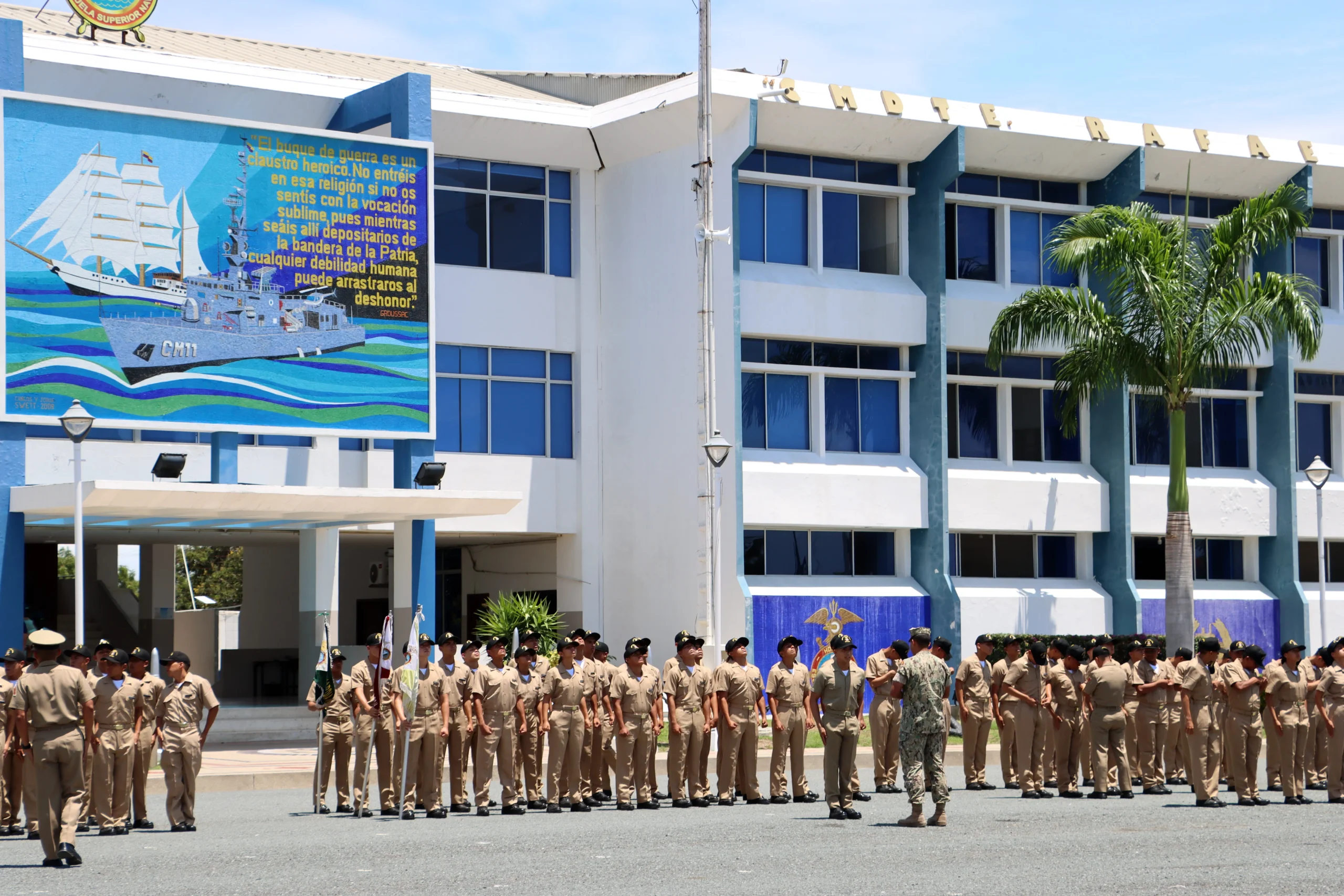
Naval Sciences

Select a campus

DEGREE

Navy Officer

CES Resolution

RPC-SO-01-No.010-2021

DURATION

4 Years

MODALITY

Dual

Academic Identity

Learn about the foundations of the program

To train professionals in Naval Sciences with a scientific, ethical and humanistic basis, providing them with a critical awareness of contribution to the defense and development of maritime resources and interests, a sense of social responsibility, which allows them to act in the face of the requirements of the contemporary world and lead processes of institutional change

To be recognized as the national benchmark in naval military training, through the scientific and technological implementation from which leaders emerge who guarantee an adequate leadership of the Navy framed in ethical and moral values and principles.

To train professionals in the naval field, with ethical-moral, scientific, technological, military and physical preparation, which will enable them to achieve the skills, competencies, and abilities of the naval profession, in order to ensure optimal use of the material and achieve the greatest efficiency in the management of human potential in times of peace and conflict, in the exercise of the sovereignty of the State over the territorial and jurisdictional sea, in the comprehensive security of aquatic spaces, in the support of national maritime development and public and State security.

Related to knowledge:
Manage naval systems, based on the use of naval sciences, navigation safety, ship theory, naval systems for defense, cybersecurity, maritime interests, naval logistics and maritime legislation, to develop learning that allows them to guarantee the security and defense of the interests of the State in aquatic spaces, the fight against illicit activities at sea, environmental pollution and the safety of human life at sea.

Related to relevance:
To train naval professionals who respond to the requirements of the defense of sovereignty, comprehensive security of aquatic spaces, maritime development; through research, naval practice, optimal use of naval systems and management of human potential, which allow the exercise of the sovereignty of the State in the territorial and jurisdictional sea, protection of the safety of human life at sea, conservation of the marine-coastal environment, within the framework of strict respect for human rights, International Humanitarian Law and Gender Equality.

Related to learning:
To develop skills and competencies in which the new learning methodologies must be aimed at the inclusion of ICTs, typical of the naval field that enable the future Navy Officer to plan navigations, operate naval systems and platforms efficiently and safely, and participate in naval operations that guarantee the security and defense of the interests of the State in aquatic spaces, the fight against illegal activities at sea, environmental pollution and the safety of human life at sea.

Related to citizenship:
To integrate the naval career into Ecuadorian society with emphasis on the coastal marine zone of influence, to strengthen the maritime identity and culture of the population and the Maritime Interests of the State, to contribute to the security of human life at sea through the control of the maritime area and support for the management of the State within the unrestricted framework of respect for Human Rights, International Humanitarian Law, gender equity.

Program video

Experience what it’s like to study Merchant Marine Officer

Discover daily life in our classrooms, laboratories, and academic spaces. Students, faculty, and researchers share their stories.

Learn about the foundations of the program

Profiles and outcomes

The professional we train and the competencies you will develop

Identifies the activities that take place in the territorial sea through participant research,identifies the fundamental characteristics of the main components and systems of a naval platform, usestools and procedures derived from the basic sciences for the planning of safe navigation, and uses the fundamental characteristics of the main components and systems of a naval platform.It uses tools and procedures of descriptive research (checklists, interviews, observation sheets) to collect information regarding the organization and operation of a naval unit, develops a process of basic operational analysis regarding the impact of the environment on the ship and naval systems, and systematizes projects in the naval field that contribute to the development and protection of maritime interests.

Itinerary in Naval Systems:

It proposes alternatives to correctly apply the doctrine in naval operations in a naval surface unit, from developing operational analysis processes regarding the ship and naval systems in the control of aquatic spaces, tofinalize the capabilities and expected performance of naval systems according to their operational conditions.

Itinerary in Naval Logistics:

It proposes alternatives for comprehensive logistical support for naval systems and platforms throughout their useful life, developsoperational analysis processes regarding the logistical support of the ship and naval systems in the control of aquatic spaces, andfinalizes the logistical aspects to maintain the capabilities and expected performance of naval systems according to operational needs.

Once the degree is completed, the student will have solid and practical knowledge of the naval field. They will have a global and integrating vision of the elements of the Naval Force, that is, organization, tactical and administrative aspects that allow success in the development of naval operations. They will be able to advise and make decisions at their level, use information tools for the operational and logistical management of naval units, proposing innovative solutions for problems arising from the activity of the naval profession.

The Naval Sciences career is oriented from the principles and institutional values of the Ecuadorian Navy, assuming as a premise that this institution in its main mission of ensuring the security and defense of the country, requires a high moral standard of the people who make it up, transforming the students (Midshipmen), into people worthy of the trust that Ecuadorian society has placed in the institution.

Therefore, the career must generate, through comprehensive education, the foundations and practice of a genuine and responsible authority, which guarantees a command relationship that effectively and efficiently represents the real possibility of achieving institutional objectives at all levels and areas. Therefore, in the training process, a set of activities will be developed, longitudinal and transversal, with a system of evaluation and monitoring at the individual level, which accounts for the level of achievement of the results detailed below and which are based on the values and principles of the discipline. Honor, loyalty, responsibility, respect and temperance:

Apply contemporary theories of leadership to support and motivate work teams in meeting institutional objectives.

Recognize moral dilemmas and employ the framework of ethical principles to generate solutions with high moral standards.

Apply the fundamental principles of science, engineering and mathematics to solve problems in the naval profession, both in familiar work contexts and in complex environments.

Develops, organizes, and communicates information and ideas in written, oral, or audio-visual formats.

Critically analyzes quantitative data and qualitative information for the construction of creative solutions to complex problems.

It articulates the fundamental institutional values and experiences obtained to the multiple cultural contexts.

Apply autonomous learning strategies to improve their knowledge, skills, and abilities beyond what is required.

Applies the regulations of Human Rights and International Humanitarian Law in professional activities and naval operations.

It generates empathy among the members of the organization: cast, department or division.

Work in a team and contribute with creative ideas as a member or leader of the team.

Curriculum Structure

Academic structure of the program

Current Curriculum

Curriculum 2019 (No Longer in Force)

Gallery Gallery

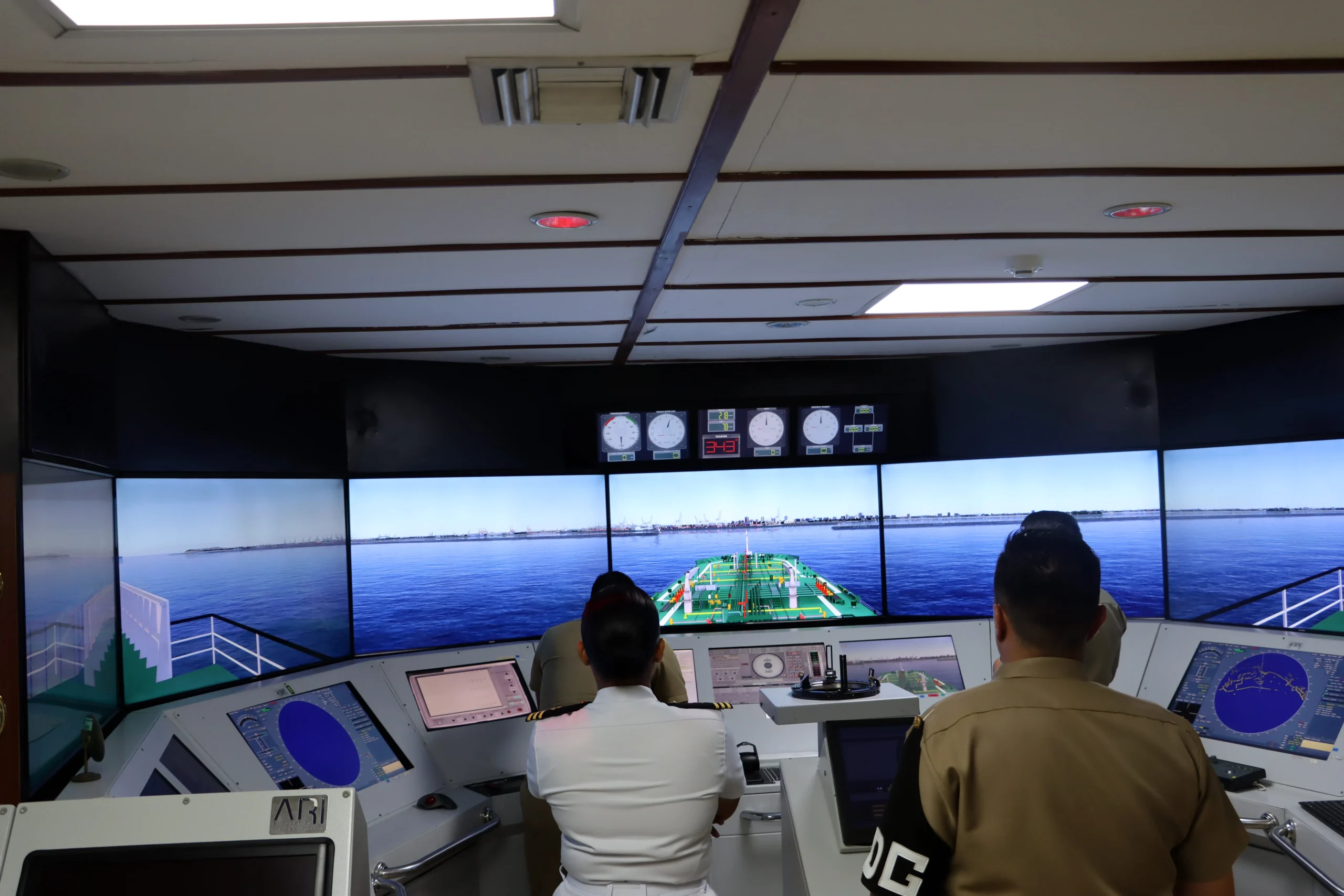
Spaces, moments, and experiences that bring the program to life
Admissions and costs

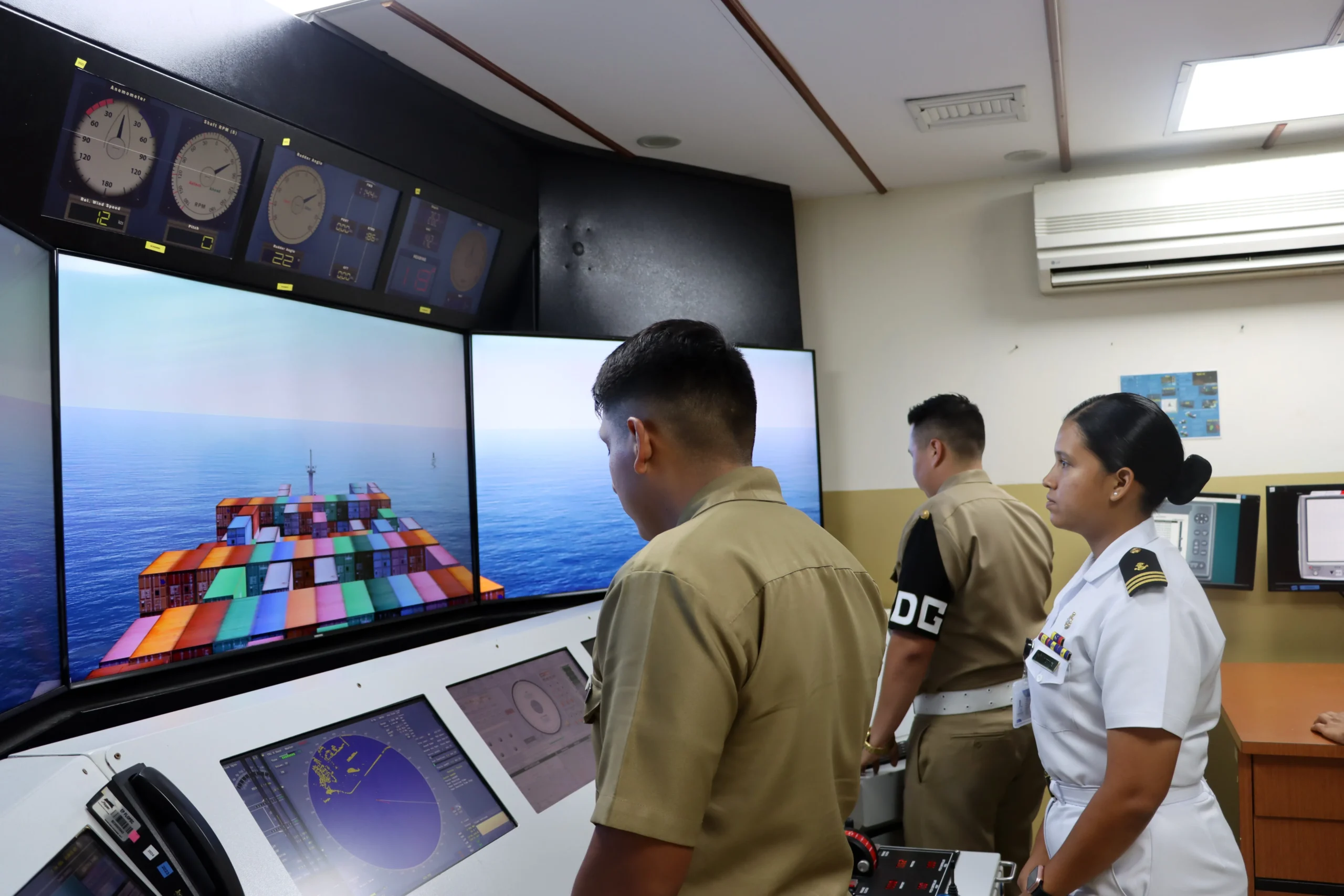
Spaces, moments, and experiences that bring the program to life
Acreditacion Chile

CES Resolution

RPC-SO-15-No 309-2020

Program Code

ISOF-SQ-2023

Accreditation

In process

Application Dates

March – April 2025 / August – September 2025

Program cost:

Article 356 of the Constitution of the Republic establishes, among other principles, that third-level public higher education shall be tuition-free, and that this gratuity is linked to the academic responsibility of students.

Begin your path in

Naval Sciences

Join Universidad de las Fuerzas Armadas ESPE and become part of an

academic community of excellence with international reach.

DUAL TRAINING

Military sciences

Select a campus

DEGREE

Bachelor of Military Sciences

CES Resolution

RPC-SO-39-NO.603-2025

DURATION

4 Years

MODALITY

Dual

Academic Identity

Learn about the foundations of the program

To train military professionals with solid theoretical and practical knowledge in military science and culture, capable of commanding, administering, and educating/instructing with social and ethical responsibility, respecting current doctrine, the legal framework, and human rights; contributing to the development of the Ecuadorian Army and the country, through the integration of real learning scenarios, promoting creativity, initiative and decision-making capacity in complex situations.

To be recognized as the leading program in the training of officers of the Ecuadorian Army, noted for its academic excellence and its ability to develop leaders committed to defense and national development, seeking to effectively integrate teaching, research, and linkage with society, promoting projects that contribute to social welfare and the strengthening of national sovereignty, with an innovative approach adapted to the challenges of the twenty-first century.

To train professionals in Military Sciences at the undergraduate level with solid theoretical and practical knowledge in Military Science, Military Culture, Theoretical Foundations, Epistemology and Methodology of Research and Military Instruction and Training; with competences to investigate and contribute to the solution of the problems of the context; disseminate knowledge that contributes to improving the performance of the Military Units, therefore of the Army, and promote national development in accordance with the National Development Plan.

Integrate the training with the real learning situation, with progressive content for each individual, by combining the different appropriate scenarios for learning and develop creativity, initiative and decision-making capacity in problematic situations not contemplated during the training, i.e. the student's ability to act in unforeseen or dysfunctional situations, which can occur both in educational environments and in general areas of life and the occupational field.

Command, administer, educate and instruct in military units and divisions of the Land Force, according to their rank and position, based on the doctrine in force, in accordance with the administrative regulations, respecting the legal framework, human rights based on the parameters and characteristics proposed by the military leadership for the fulfillment of the assigned missions.

To promote the social development of the country through programs of civic action, protection of the environment and community improvement in accordance with the Constitution, State Policies and Military Command, acting on the basis of an upright behavior that allows one to be an exemplary citizen who contributes positively to society.

Apply knowledge to command, manage, educate with social responsibility, promoting national development with ethical principles and values.

Program video

Live the experience of studying Military Sciences

Discover daily life in our classrooms, laboratories, and academic spaces. Students, faculty, and researchers share their stories.

Learn about the foundations of the program

Profiles and outcomes

The professional we train and the competencies you will develop

Develop physical condition, which allows them to meet the demands of the military career effectively; their training with strict rigor in discipline, institutional values and ethical principles that are acquired through their experiential training in times complementary to the academic, during their internal permanence typical of the Military Career.

Demonstrate civic fervor for the Homeland and practice the postulates of military philosophy and culture as a way of life, feel proud to belong to and contribute to the fulfillment of the mission of the Land Force, considering the approach of equality with emphasis on gender and interculturality.

Apply leadership, verbal communication, and discipline in learning processes, to achieve knowledge that integrates them into local and national institutional problems using computer tools.

It develops individual combatant capabilities through military knowledge, skills, and abilities within the legal framework of the Army.

It develops physical condition, which allows it to meet the demands of the military career effectively."

Demonstrates love for the Homeland and practices the postulates of military philosophy and culture as a way of life, feels proud to belong to and contribute to the fulfillment of the mission of the Army, considering the approach of equality with emphasis on gender and interculturality.

He masters the techniques that allow him to perform efficiently in combat in conventional operations, internal defense and support to citizen security."

Apply leadership, verbal communication, discipline in learning processes, to achieve knowledge that integrates them into local and national institutional problems using computer tools."

Manages human talent, material and financial resources through the appropriate use of technical and technological tools to efficiently use the platoon and/or similar in external and internal conflicts, with absolute respect for human rights, nature, the environment and culture.

Commands a platoon, and/or similar units in military operations for the defense of sovereignty and territorial integrity in support of the actions and efforts of the State,"

Integrates a section and/or platoon as a commander, is able to interpret needs and respond to them by coupling their own interests and those of others, through obedience to be able to order. “

Instructs the personnel under their command with scientific rigor, motivation, effectiveness, active and participatory techniques to achieve an adequate level of training and training that allows them to fulfill and face the assigned missions, with strict compliance with safety regulations."

Generalizes the results of field research on military science and technology through essays, scientific articles that express knowledge in a reflective and critical way to contribute to the solution of problems of the community

Curriculum Structure

Academic structure of the program

Current Curriculum

Curriculum 2019 (No Longer in Force)

Gallery Gallery

Spaces, moments, and experiences that bring the program to life

Admissions and costs

Spaces, moments, and experiences that bring the program to life

Acreditacion Chile

CES Resolution

RPC-SO-15-No 309-2020

Program Code

ISOF-SQ-2023

Program cost:

Article 356 of the Constitution of the Republic establishes, among other principles, that third-level public higher education shall be tuition-free, and that this gratuity is linked to the academic responsibility of students.

Begin your path in

Military Sciences

Join Universidad de las Fuerzas Armadas ESPE and become part of an

academic community of excellence with international reach.
DEGREE

Turism

Select a campus

DEGREE

Bachelor’s Degree in Tourism

CES Resolution

RPC-SO-15-No.309-2020

DURATION

4 Years

MODALITY

On-campus

Academic Identity

Learn about the foundations of the program

To train professionals of excellence capable of efficiently managing and facing the challenges of sustainable tourism development, with observance of global processes and the consequent intercultural integration, with humanistic, ethical and moral values committed to society, articulating the public and private sectors to turn the country into a tourist destination of excellence.

To be leaders at the national and Latin American levels in the comprehensive training of professionals in tourism management, contributing to the new demands of the global environment through research and innovation, within the parameters of ethical sustainability and governance.

To train tourism professionals with comprehensive competencies, capable of managing tourist destinations in a sustainable way, through strategic planning, innovation and the articulation of public and private actors, contributing to economic, social and environmental development.

1. To develop in students competencies for the planning and sustainable management of tourist destinations, considering the social, economic and environmental axes.

2. To promote research capacity and entrepreneurial spirit for the generation of innovative projects in the field of tourism.

3. Promote the articulation between the public and private sectors in the management of tourist destinations.

4. To encourage the revaluation of tangible and intangible cultural heritage, as well as the strengthening of national identity and interculturality.

5. Integrate the use of technological tools that allow analyzing global tourism trends and identifying business opportunities.

Program video

Experience studying Tourism

Discover daily life in our classrooms, laboratories, and academic spaces. Students, faculty, and researchers share their stories.

Learn about the foundations of the program

Profiles and outcomes

The professional we train and the competencies you will develop

The tourism professional is trained to plan, organize, direct, and evaluate tourism projects and services, promoting the responsible use of natural, cultural, and heritage resources, with the aim of fostering local, regional, and national development. They possess a strong ethical, analytical, and critical foundation, enabling them to design and manage innovative tourism products, as well as administer companies and/or organizations within the tourism sector with criteria of quality, competitiveness, and sustainability.

Based on their capacities, attitudes, and values:
Strengthens their personal and professional identity and cultivates self-esteem; develops critical thinking, deductive reasoning, and the use of analogies, thereby shaping cognitive structures and affective development.
– Applies ethical, spiritual, and humanistic principles, inclusive of diverse worldviews, diversity of abilities, and interculturality
-Respects knowledge within the ancestral and sustainable tourism context of different regions.
– Critically embraces historical changes and fosters openness to the new, the creative, and the diverse.
– Complies with the regulations established within the national and international legal framework governing tourism activities.
Operates within multidisciplinary teams with assertive communication, engaged in negotiation and conflict management to resolve problems in the tourism field.
– Manages tourism activities with ethics, leadership, responsibility, and quality.
Based on the theories, conceptual systems, methods, and languages for the integration of knowledge, the profession, and research:
-Organizes and integrates knowledge, identifying updated and specialized concepts and theories within their field of training. Possesses a general culture pertinent to their profession, including the use of ICTs and the application of information-gathering techniques for research.
-Develops, analyzes, and evaluates the quality of resources, services, ecosystems, and their components through applied research processes in tourism activities.
-Possesses knowledge of the social, cultural, economic, and political aspects of the community, enabling the management of innovative public–private projects for destination development.
– Applies principles of sustainability in sensitive natural areas through environmental interpretation and education; recognizes, respects, and values ancestral knowledge and the country’s heritage richness, and acknowledges their own identity.
– Understands the components of the tourism system through observation and characterizes tourism systems using techniques in tourism operations, management, entrepreneurship, and research, in compliance with sustainability standards.
-Identifies opportunities and shortcomings in tourism activity through characterization and diagnosis using technological tools, while respecting sustainability standards.
– Demonstrates skills and capacities for information management, research, and intervention in processes of tourism operations, management, and research.
– Integrates ancestral knowledge, interculturality, and gender equity of peoples in relation to different technological applications.
-Uses logical, critical, and creative thinking for the understanding, explanation, integration, and communication of knowledge within tourism.
-Undertakes entrepreneurship and innovation across diverse scenarios of tourism activity.
– Communicates, through a thesis, ethnography, or comprehensive examination, the design, development, and evaluation of a tourism management process or the creation of tourism products within the framework of sustainability.
– Systematically applies national and/or international policies, enabling them to manage global tourism trends.

In relation to the management of professional and research models, protocols, processes, and procedures:
Resolves problems arising within tourism operations through knowledge of the tourism potential of areas of influence; implements administrative and operational processes to ensure quality in the tourism system.
– Contributes to the development of new sustainable public policies with ethics and commitment, for the implementation of strategic tourism events and projects that support the positioning of the country’s tourist destinations.

1. Execute tourism activities considering criteria of quality, safety, and sustainability, in a planned, systematic, and reflective manner

2. Implement techniques and procedures for the operation of tourism services, ensuring efficiency, effectiveness, and regulatory compliance in their delivery.

3. Design innovative tourism proposals aligned with the territorial context that contribute to local development and can be implemented with tourism stakeholders.

4. Value economic, cultural, social, and environmental diversity in the tourism context, integrating ethical principles and sector knowledge for inclusive and responsible decision-making.

5. Develop sustainable tourism projects that respond to the real needs of the environment, integrating knowledge of planning, management, innovation, and sustainability; applying research and critical thinking to propose creative and viable solutions, with leadership, professional ethics, and commitment to the responsible development of tourism.

Curriculum Structure

Academic structure of the program

Current Curriculum

Non-Current Curriculum

Gallery Gallery

Spaces, moments, and experiences that bring the program to life

Admissions and costs

Spaces, moments, and experiences that bring the program to life

ACBSP Photoroom Accreditation

CES Resolution

RPC-SO-15-No 309-2020

Program Code

ISOF-SQ-2023

Accreditation

In process

Application Dates

March – April 2025 / August – September 2025

Program cost:

Article 356 of the Constitution of the Republic establishes, among other principles, that third-level public higher education shall be tuition-free, and that this gratuity is linked to the academic responsibility of students.

Begin your path in

Turism

Join Universidad de las Fuerzas Armadas ESPE and become part of an

academic community of excellence with international reach.
DEGREE

Bachelor’s Degree in Tourism

CES Resolution

RPC-SO-15-No.309-2020

DURATION

4 Years

MODALITY

On-campus

Academic Identity

Learn about the foundations of the program

To train professionals of excellence capable of efficiently managing and facing the challenges of sustainable tourism development, with observance of global processes and the consequent intercultural integration, with humanistic, ethical and moral values committed to society, articulating the public and private sectors to turn the country into a tourist destination of excellence.

To be leaders at the national and Latin American levels in the comprehensive training of professionals in tourism management, contributing to the new demands of the global environment through research and innovation, within the parameters of ethical sustainability and governance.

To train professionals in the area of Tourism, who manage the activity in an organized manner, as an important axis within the strengthening of the country’s productive system, generating programs and projects, which articulate the public and private sectors in terms of sustainable development and positioning of Ecuador as a quality tourist destination.

a. Related to knowledge:

Recognize the different components involved in the formulation of tourism projects, with criteria of sustainability and strengthening of national identity that are consistent with public policy for the development of the tourism sector.

b. Related to relevance:

Respond to the needs and problems that arise in zone two, related to the service sector and that seek to promote the change of the productive matrix.

c. Related to learning:

To generate technical and scientific knowledge through research that allows the incorporation of technological tools and innovation in the offer of quality tourism products and services. Related to citizenship: Promote community participation in the planning and execution processes of tourism activities, with a systemic approach and articulation between public and private management.

Program video

Experience studying Tourism

Discover daily life in our classrooms, laboratories, and academic spaces. Students, faculty, and researchers share their stories.

Learn about the foundations of the program

Profiles and outcomes

The professional we train and the competencies you will develop

Professional trained to plan, manage and evaluate sustainable tourism projects and destinations

Graduated with a solid scientific, technical and humanistic background, oriented to innovation and research in the tourism sector.

1. Manage tourist destinations with sustainability and competitiveness criteria.

2. Design and evaluate innovative tourism projects.

3. Apply technological tools in tourism management.

4. Value natural and cultural heritage.

5. Make strategic decisions based on global tourism trends

Curriculum Structure

Academic structure of the program

Current Curriculum

Non-Current Curriculum

Gallery Gallery

Spaces, moments, and experiences that bring the program to life

Admissions and costs

Spaces, moments, and experiences that bring the program to life

ACBSP Photoroom Accreditation

CES Resolution

RPC-SO-15-No 309-2020

Program Code

ISOF-SQ-2023

Accreditation

In process

Application Dates

March – April 2025 / August – September 2025

Program cost:

Article 356 of the Constitution of the Republic establishes, among other principles, that third-level public higher education shall be tuition-free, and that this gratuity is linked to the academic responsibility of students.

Begin your path in

Turism

Join Universidad de las Fuerzas Armadas ESPE and become part of an

academic community of excellence with international reach.
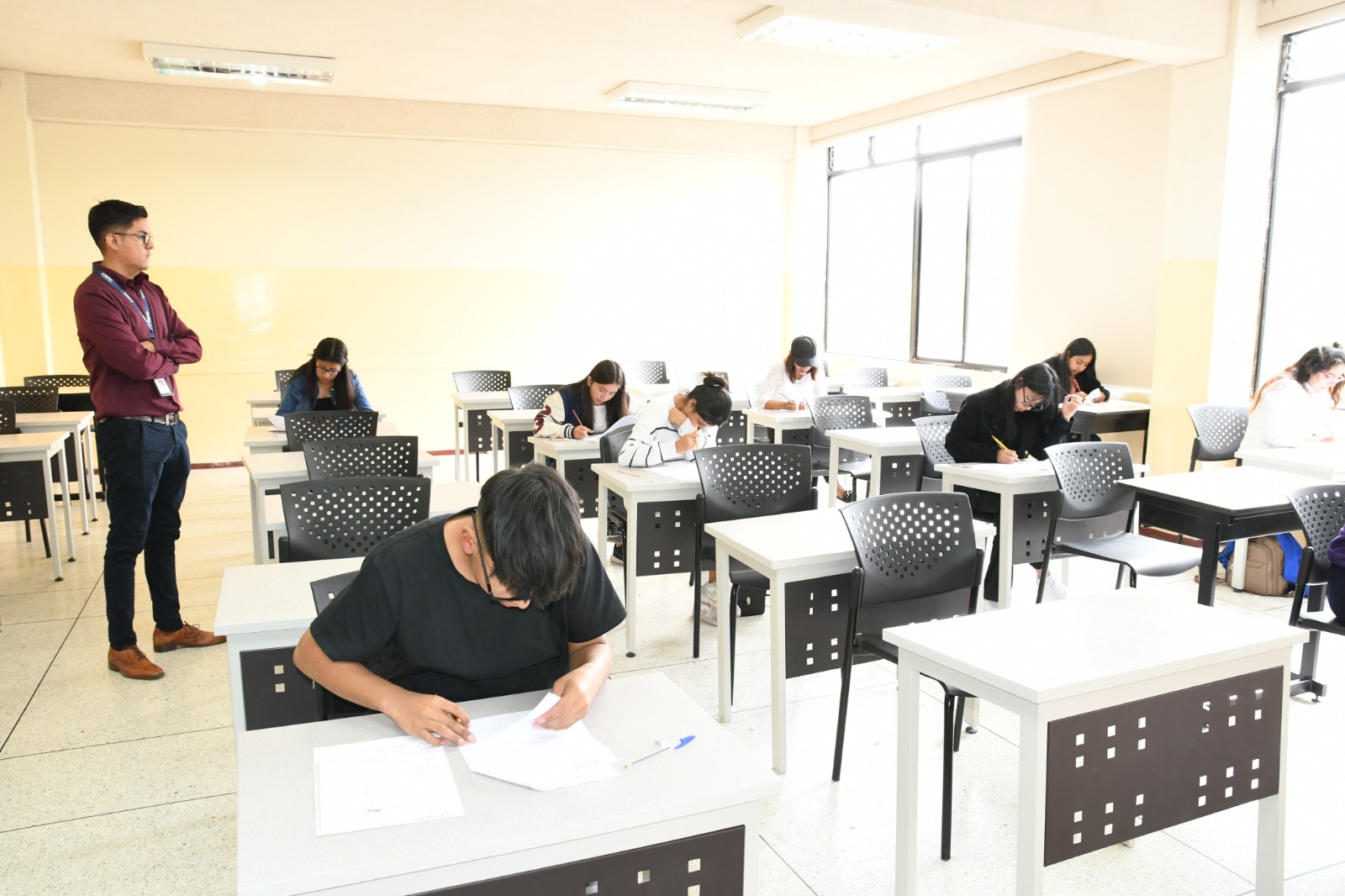
DEGREE

Marketing

Select a campus

DEGREE

Bachelor’s Degree in Marketing

CES Resolution

RPC-SO-24-No.476-2017

DURATION

4 Years

MODALITY

On-campus

Academic Identity

Learn about the foundations of the program

“To train professionals in marketing, ethics, entrepreneurs, analytical, critical and humanistic, with the ability to create, design and manage strategies and also promote their personal development through instilling values that lead to the construction of solutions to the needs and desires of consumers and organizations in the country so that they constitute social transformation in a sustainable and sustainable way.”

By 2030 to be an accredited career recognized nationally for excellence in the development of academic processes, whose management helps the University to be among the 1000 best in the world, with social responsibility, committed to institutional principles and values and that the trainers occupy a management position at the national and international level

Manage and apply theoretical, scientific and technical knowledge of marketing to analyse markets, understand consumer behaviour and design innovative commercial strategies that contribute to business competitiveness, through the use of market research, data analytics, digital tools and innovation processes aimed at generating value.

Articulate the disciplinary and technological knowledge of marketing with the socioeconomic reality of the country, through research, linkage and business development projects that strengthen territorial competitiveness, promote sustainable enterprises and contribute to productive growth with an ethical and socially responsible approach.

Program video

Live the experience of studying Marketing

Discover daily life in our classrooms, laboratories, and academic spaces. Students, faculty, and researchers share their stories.

Learn about the foundations of the program

Profiles and outcomes

The professional we train and the competencies you will develop

The Bachelor of Marketing is a professional whose training with solid theoretical-practical knowledge empowers him to plan, research, analyze, design and act in the different sectors of the market of the public and private sector; therefore, they are roles and functions that the future professional will be able to assume.

Solve problems and make decisions

Plan and analyze financial issues.

Evaluate the industry and competitors.

Segment markets.

Make predictions.

Formulate product and market strategies.

Leverage the product lifecycle model for product management

PRODUCT MANAGER:

Develop a long-term competitive strategy for the product.

Prepare a marketing plan and annual sales forecast.

Work with advertising agencies to create campaigns.

Stimulate product support among the sales force and distributors.

Gather strategic information about product performance, customer and distributor attitudes, their problems and opportunities.

Initiate product improvements to meet changing market needs.

DIRECTOR OF COMMUNICATION:

Define communication strategies between the service and the company’s main managers, actions and responsibilities.

To streamline the operational and executive procedures coordinated at global and partial level, internal and external management.

Make decisions about annual priorities in communication.

Monitor and optimize the general communication budget.

Manage the institutional and communication function.

SALES MANAGER:

Prepare sales plans and budget.

Establish goals and objectives.

Calculate demand and forecast sales.

Recruitment, selection and training of salespeople.

Compensation and motivation.

DIRECTOR OF ADVERTISING AND MARKETING:

Design, plan, coordinate the media plan and marketing plan to increase the value of the brand through a solid positioning in the market.

Innovative activities for Branding.

Management of relations with advertising and media companies.

Development and management of management indicators.

Management of the company’s social networks.

MARKET RESEARCHER:

They collect data on consumer demographics, preferences, needs, and buying habits.

They obtain information using various methods, such as interviews, questionnaires, focus groups, market analysis surveys, public opinion surveys, and literature reviews.

They help determine a company’s position in the market by researching its competitors and analyzing their pricing, sales, and marketing methods. Using this information, they can determine potential markets, product demand, and prices.

Their knowledge of the target consumer allows them to develop advertising and commercial brochures, sales plans, and product promotions.

They evaluate data using statistical techniques and software. The market researcher must know how to explain to his client the meaning of the data collected and be able to forecast future market trends. They often make tables, graphs, infographics, and other visual aids when presenting the results of their research.

MERCHANDISING DIRECTOR AND COORDINATOR:

Conduct studies to analyze customer behavior (e.g., shopping habits, trends, and preferences)

Design and implement effective marketing campaigns

Set up systems to track internet marketing activities

Track progress with marketing managers and marketers

Identify and analyze competitors

Prepare reports by collecting and analyzing sales data

Collaborate with the design department to produce promotional material

Develop clear and creative marketing text for our products

Organize promotional activities for new products/services

Prepare forecasts (monthly, quarterly, and annually)

In Marketing he is a professional with solid theoretical and practical knowledge in the disciplines associated with marketing and business management; that develops and adapts strategies to competitive markets based on the needs of customers and the different purchasing modalities that they adopt, applies new communications technologies, tools to evaluate market potential from the perspective of the company’s capabilities, achieving products and services with high value for its customers, demonstrating creativity, leadership, critical thinking and high citizen awareness in each activity.

At the end of the degree, the graduate:

Understand the forces of the micro and macro environment that affect companies.

Understand the internal dynamics of organizations and especially the interaction of the marketing area with the other areas.

Develop market research with advanced techniques that allow you to understand the needs and desires of consumers.

Segment industrial and consumer markets.

Manage and propose new products and/or services.

Correctly position and differentiate products and services.

Develop and exploit the value of brands.

Manage marketing variables.

Determine the financial impact of marketing variables.

It sustains a long-term relationship with customers and takes advantage of it to increase the profitability of the company.

Develop and implement e-marketing solutions.

Understand the interrelationship of media and public relations with marketing strategies.

Develop marketing plans and programs by establishing a detailed planning of each of the variables (product, price, communication and distribution), as well as the measurement of the results and their subsequent control.

Transform marketing strategies into effective business tactics.

1. Strategic Management: Critical analysis of the environment and ethical and innovative marketing decisions.

2. Financial Management: Evaluation of sustainable management and decision-making models.

3. Market Analytics: Application of qualitative and quantitative methods for market research.

4. Commercial Management: Design of comprehensive strategies of the marketing mix.

5. Comprehensive Marketing Communication: Creation of multichannel campaigns with digital tools and CRM.

Curriculum Structure

Academic structure of the program

Current Curriculum

Gallery Gallery

Spaces, moments, and experiences that bring the program to life

Admissions and costs

Spaces, moments, and experiences that bring the program to life

CES Resolution

RPC-SO-15-No 309-2020

Program Code

ISOF-SQ-2023

Accreditation

In process

Application Dates

March – April 2025 / August – September 2025

Program cost:

Article 356 of the Constitution of the Republic establishes, among other principles, that third-level public higher education shall be tuition-free, and that this gratuity is linked to the academic responsibility of students.

Begin your path in

Marketing

Join Universidad de las Fuerzas Armadas ESPE and become part of an

academic community of excellence with international reach.
This site is registered on wpml.org as a development site. Switch to a production site key to remove this banner.