












DEGREE
Higher University Technology in Electronics with a Specialization in Intelligent Industry
DEGREE
Higher University Technologist in Electronics
CES Resolution
RPC-SO-03-No.036-2026
DURATION
3 years
MODALITY
On-campus
Academic Identity
Learn about the program’s foundations
- Mission
To train Higher University Technologists in Electronics with a focus on Intelligent Industry, capable of installing, configuring, operating, and maintaining electronic, electrical, and automation systems, applying current technologies such as microcontrollers, industrial networks, AI, robotics, IoT, and control systems. The program prioritizes hands-on learning in real environments, oriented toward the effective solution of the needs of the productive sector, with professionals who are responsible, efficient, and committed to the continuous improvement of industrial processes.
- Vision
To be a program recognized for training highly competent technologists in the implementation and operation of technological solutions, distinguished by its practical approach and close connection with industry. By 2030, to establish itself as a benchmark in the training of technical talent capable of commissioning, maintaining, and optimizing automated systems, directly contributing to the productivity, modernization, and technological transformation of the country.
- Program Objectives
- General objective
To train professionals with strong knowledge in electronics and automation, capable of implementing, operating, and maintaining electronic and control systems, integrating tools and technologies that drive digital transformation. Technologists will perform with proactivity, ethics, critical thinking, emotional intelligence, and leadership, capable of working in teams to provide technical solutions aligned with current regulations and actively contributing to technological innovation and the development of the productive and social sectors.
To train professionals through comprehensive education in industrial automatic systems, with the purpose of controlling and innovating in areas of handling, assembly, and maintenance of industrial automation systems.
To train professionals capable of developing strategies for the management, control, modernization, and maintenance of industrial plants, with a focus on environmental protection, enabling their performance to streamline industrial processes within the country’s productive sector.
The Technology program in Automation and Instrumentation will provide students with the opportunity to undertake pre-professional activities as part of their learning process within a business environment, enabling them to consolidate in practice the knowledge acquired in legal, administrative, and technological regulations.
To train professionals capable of establishing community engagement, with the aim of fostering the development of small industry in vulnerable sectors of the region.
Program video
Experience studying Higher University Technology in Electronics with a Specialization in Intelligent Industry
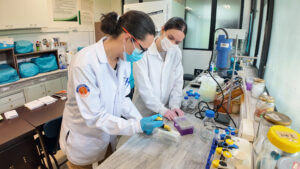
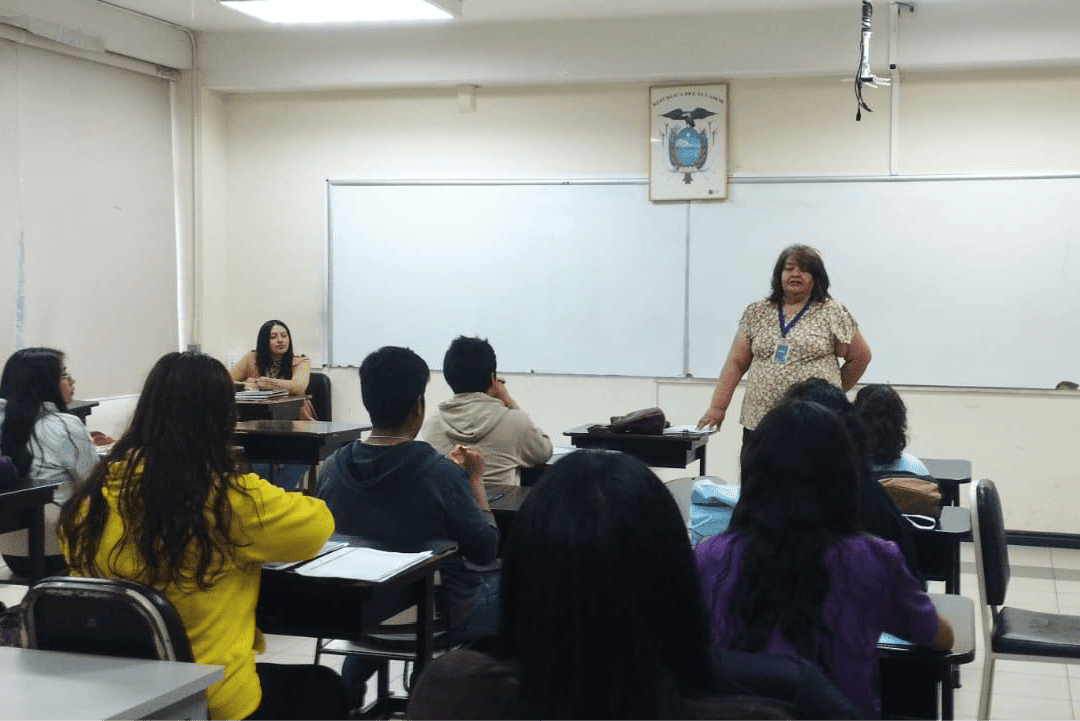
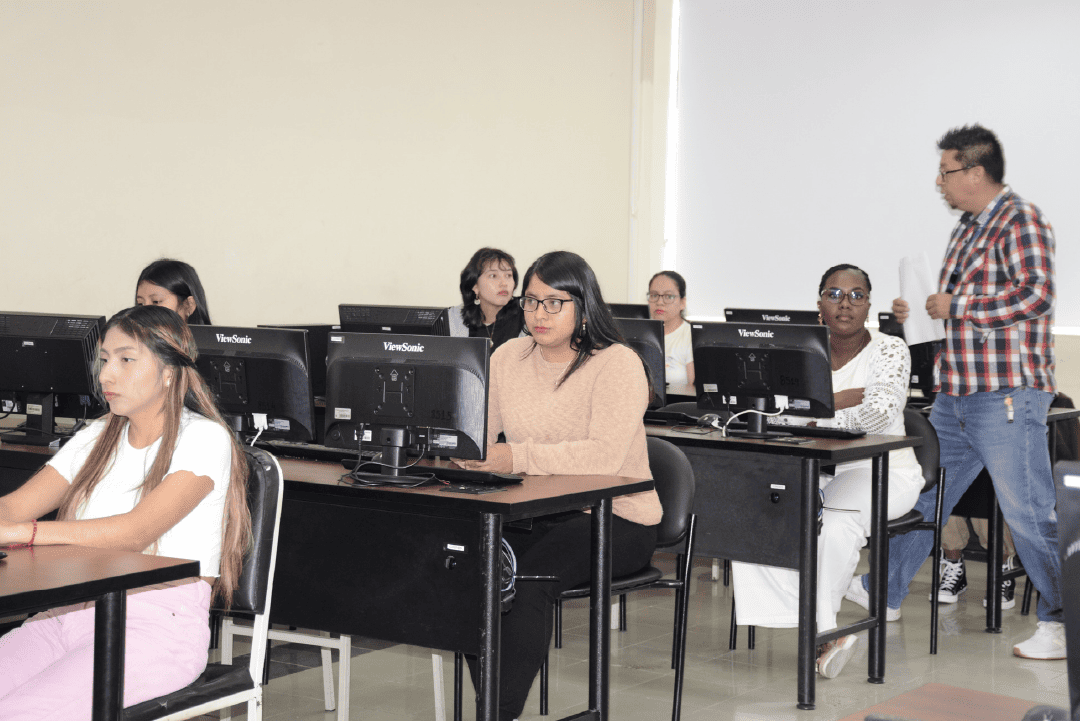
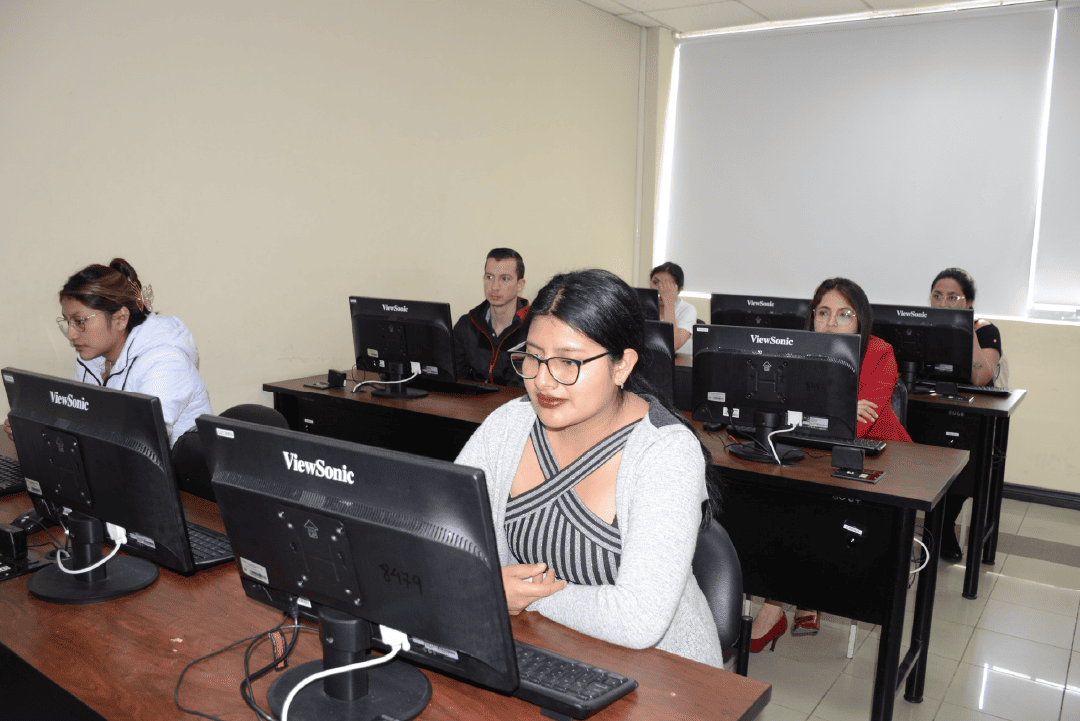
Discover daily life in our classrooms, laboratories, and academic spaces. Students, faculty, and researchers share their stories.
Learn about the program’s foundations
Profiles and outcomes
The professionals we educate and the competencies you will develop
- Professional Profile
The Higher University Technologist in Electronics with a specialization in Intelligent Industry is a professional with comprehensive training oriented toward the practical application of knowledge in the installation, configuration, operation, and maintenance of electronic, electrical, and automation systems in industrial and productive environments. They possess knowledge in electronics, industrial control, microcontrollers, PLCs, instrumentation, and industrial networks, as well as in Industry 4.0 technologies such as the Internet of Things (IoT), digitalization, and intelligent systems, enabling them to integrate efficiently into modern production processes.
Is capable of commissioning automation systems, operating equipment in real time, performing preventive and corrective maintenance, diagnosing faults, and applying technological solutions that contribute to the continuity and efficiency of industrial processes. Operates with ethics, responsibility, and discipline, complying with safety and quality standards, working in teams, and adapting to changing technological environments. Their work directly contributes to the modernization, productivity, and digital transformation of the industrial sector, aligning with the current demands of Intelligent Industry.
- Graduate Profile
The Higher University Technologist in Electronics is trained to implement, operate, and maintain electronic systems in industrial and residential environments under safety criteria. They are also capable of interpreting, documenting, drafting, and developing automation and process control projects. In this context, they can apply industrial maintenance and control strategies, as well as calibrate and configure measuring instruments for process monitoring and automation, enabling access to plant information in real time. Technologists acquire skills to perform with proactivity, ethics, critical thinking, emotional intelligence, and leadership, capable of working in teams and providing technical solutions aligned with current regulations, contributing to the growth of the productive sector.
The program offers a specialized track called Intelligent Industry, which will equip students to apply and integrate technologies that contribute to the digital transformation of industry.
- Interpret, implement, and measure electrical variables in electrical, electronic, and digital circuits in order to integrate them into electronic systems, as well as prepare technical drawings in accordance with current standards for the industrial and residential sectors.
- Select and use the components and equipment that make up an electrical installation, applying safety concepts to verify that power parameters comply with current electrical regulations in the industrial and residential sectors, with the ability to utilize renewable energy through power electronics.
- Monitor the operating parameters of an electrical machine within an industrial process in order to ensure production continuity, applying maintenance techniques and respecting the technical and operational characteristics of equipment and machinery.
- Select, configure, and calibrate measurement and actuation instruments to monitor and manipulate process variables.
- Program microcontrollers and/or controllers for electronic, electrical, pneumatic, and hydraulic systems.
- Apply techniques for the digitalization of information generated in an industrial process through local and remote data acquisition, using conventional and intelligent devices via communication networks, and applying artificial intelligence and Internet of Things technologies.
- Draft, document, and implement industrial and residential projects related to automation and industrial process control, solving problems with proactivity, emotional intelligence, and critical thinking, maintaining professional ethics and demonstrating leadership, creativity, and innovation in all activities, capable of working in teams and delivering solutions that meet established requirements.
- Learning Outcomes
1. Interpret, measure, and implement electrical and digital circuits in order to integrate them into electronic systems, as well as prepare technical drawings in accordance with standards for use in the development of industrial projects.
2. Select, size, and implement the components and equipment that make up an electrical installation, applying safety concepts to verify that power parameters comply with current electrical regulations in the industrial and residential sectors, with the ability to integrate renewable energy through power electronics.
3. Control the operating and control parameters of an electrical machine within an industrial process to improve product quality and reduce manufacturing time by selecting the most appropriate method according to the specific characteristics of the machine, developing skills for planning, execution, and supervision of maintenance, ensuring proper operation and extending the equipment’s service life.
4. Select, configure, and calibrate measurement and control instruments to monitor and regulate physical variables, programming controllers and/or microcontrollers with process control strategies, improving plant performance and ensuring stability, safety, and efficiency in electrical, pneumatic, and hydraulic systems.
5. Digitize information generated in an industrial process through local, remote, and real-time data analysis, using conventional and intelligent devices—including robots—interconnected through communication networks, and applying artificial intelligence and Internet of Things techniques to access data in real time, enabling decision-making and driving technological innovation in industry.
6. Document, draft, develop, and implement industrial and residential projects related to automation and industrial process control, solving problems with proactivity, emotional intelligence, and critical thinking, maintaining professional ethics and demonstrating leadership, creativity, and innovation in all activities, capable of working in teams and delivering solutions that meet established requirements.
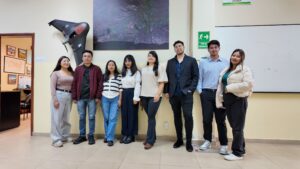
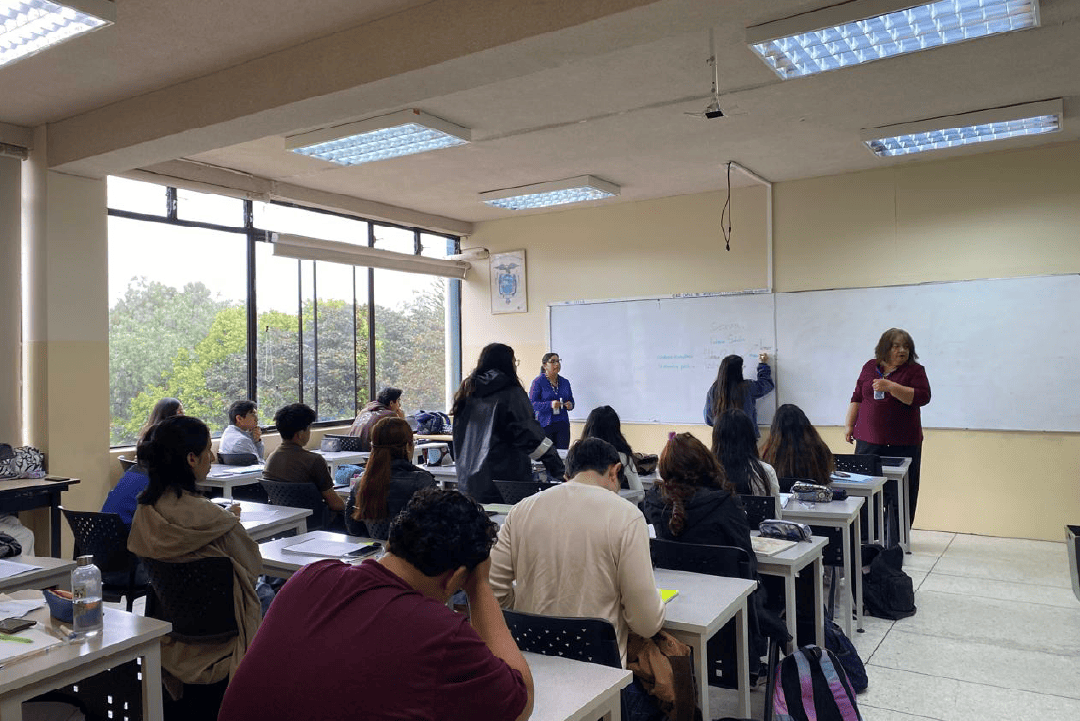
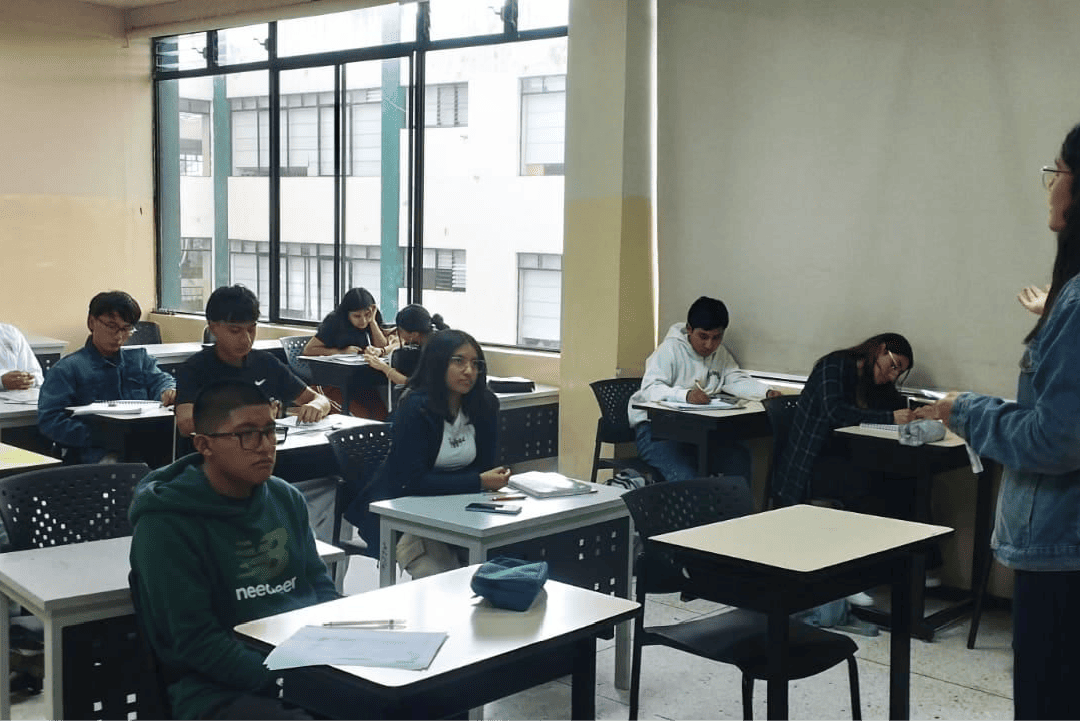
Gallery Gallery
Spaces, moments, and experiences that bring the program to life
Admissions and costs
Information about admission requirements and program costs.
CES Resolution
RPC-SO-15-No 309-2020
Program Code
ISOF-SQ-2023
Accreditation
In process
Application Dates
March – April 2025 / August – September 2025
Program cost:
Article 356 of the Constitution of the Republic establishes, among other principles, that third-level public higher education shall be tuition-free, and that this tuition-free policy is linked to students’ academic responsibility.
Begin your journey in
Higher University Technology in
Electronics with a Specialization in Intelligent Industry
Join Universidad de las Fuerzas Armadas ESPE and become part of an
academic community of excellence with international reach.